IT Band
Syndrome
Treatment Melbourne
ITB syndrome stopping your training? We find the biomechanical cause, fix the hip weakness, and get you back to running — stronger than before.
Melbourne's IT Band
Syndrome Specialists
IT band syndrome is one of the most common running injuries — and one of the most frustrating. The sharp, burning pain on the outer knee that appears reliably at the same point in every run can sideline even experienced runners for months if not treated correctly.
At Injury Active Clinic, our physiotherapists and exercise physiologists take a comprehensive approach to IT band syndrome — addressing not just the tight ITB, but the underlying hip weakness, biomechanical patterns, and training errors that caused it. We use running gait analysis, targeted hip strengthening, and load management to get you back to running pain-free.
- Running gait analysis to identify biomechanical causes
- Multi-disciplinary team: physio, myotherapy & exercise physiology
- Clinics in Ravenhall, Tarneit, Williamstown & CBD
- Private health, WorkCover & TAC accepted
- On-site rehabilitation gym at Ravenhall
- Evidence-based load management — keep training where possible
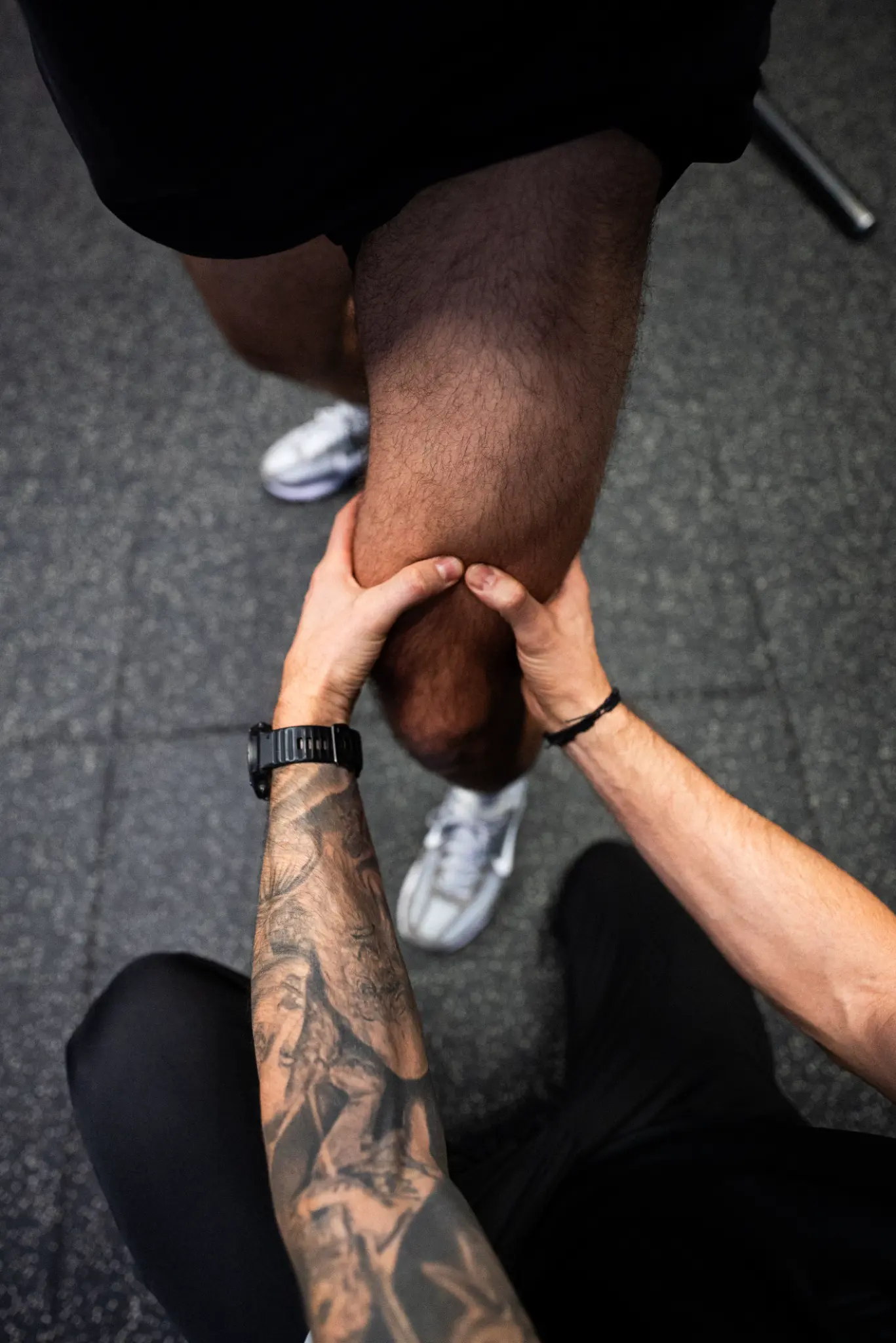
Common IT Band Syndrome Symptoms
IT band syndrome produces a characteristic pattern of lateral knee pain in runners and cyclists.
Sharp lateral knee pain during running
Pain on the outer side of the knee that typically appears at a predictable point in a run — often around 2–5 km.
Pain that improves with rest
IT band syndrome pain typically eases quickly with rest, only to return at the same point in the next run.
Tenderness over the lateral femoral condyle
Point tenderness on the outer side of the knee, just above the joint line — the classic location of ITB compression.
Stiffness after sitting
Stiffness and discomfort when getting up after prolonged sitting, particularly with the knee bent.
Pain with stairs and downhill
Descending stairs and running downhill are particularly aggravating, as they increase ITB compression at the knee.
Hip pain (less common)
Some patients experience pain at the hip rather than the knee — where the ITB attaches to the greater trochanter.
What Causes IT Band Syndrome?
IT band syndrome is rarely caused by one factor alone — it's usually a combination of training, biomechanics, and muscle weakness.
Training Load Errors
Increasing running mileage or intensity too quickly is the most common cause of IT band syndrome. The tissue doesn't have time to adapt to the increased load.
Hip Weakness
Weakness in the hip abductors (particularly gluteus medius) causes the hip to drop and the knee to track inward during running, increasing ITB tension.
Poor Running Biomechanics
Excessive hip adduction, knee valgus, and overstriding place increased stress on the ITB. A running gait analysis can identify and correct these patterns.
Tight Hip Flexors and TFL
Tightness in the tensor fascia latae (TFL) and hip flexors increases ITB tension and compression at the lateral knee.
Downhill Running
Running downhill increases the knee flexion angle at which the ITB rubs against the lateral femoral condyle, significantly increasing irritation.
Cambered Roads
Running on cambered roads causes one leg to effectively run on a slope, altering hip and knee mechanics and increasing ITB stress.
How We Treat IT Band Syndrome
We address the full picture — not just the tight ITB, but the hip weakness and biomechanical patterns that caused it.
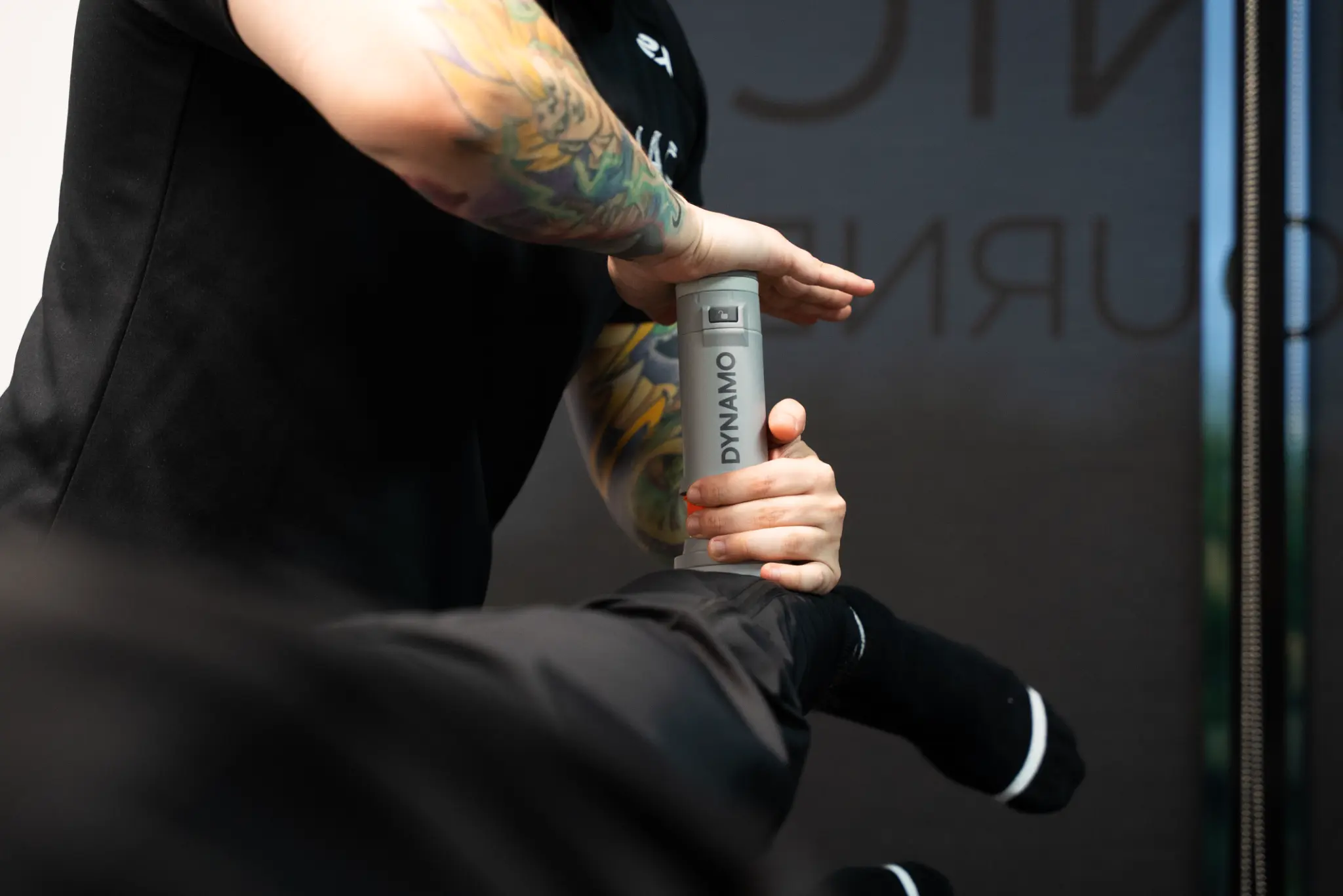
Physiotherapy
Running gait analysis, manual therapy, dry needling, and progressive hip strengthening to address the root cause of IT band syndrome.
Learn More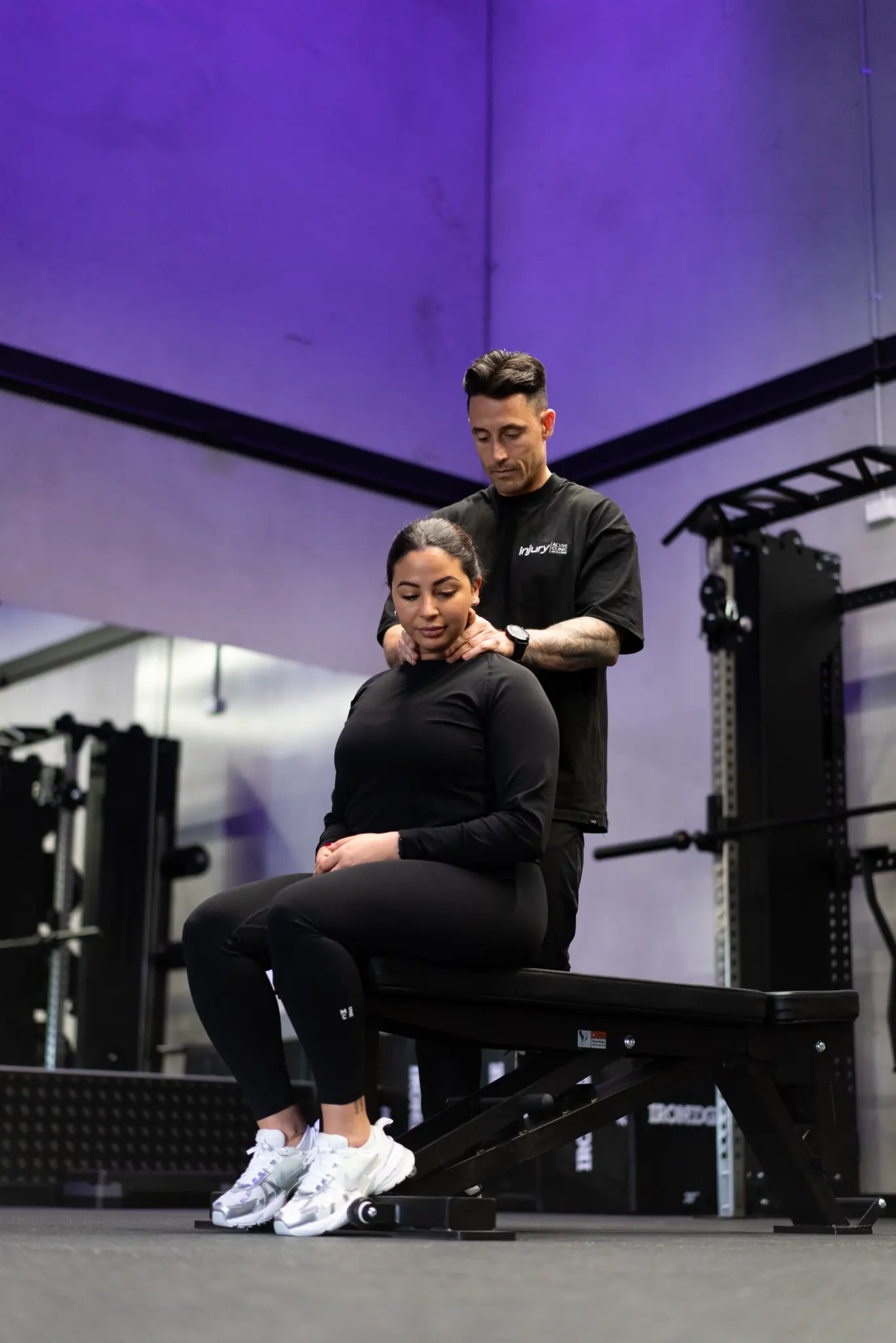
Myotherapy
Soft tissue release, trigger point therapy, and cupping to reduce TFL and ITB tightness and improve hip mobility.
Learn More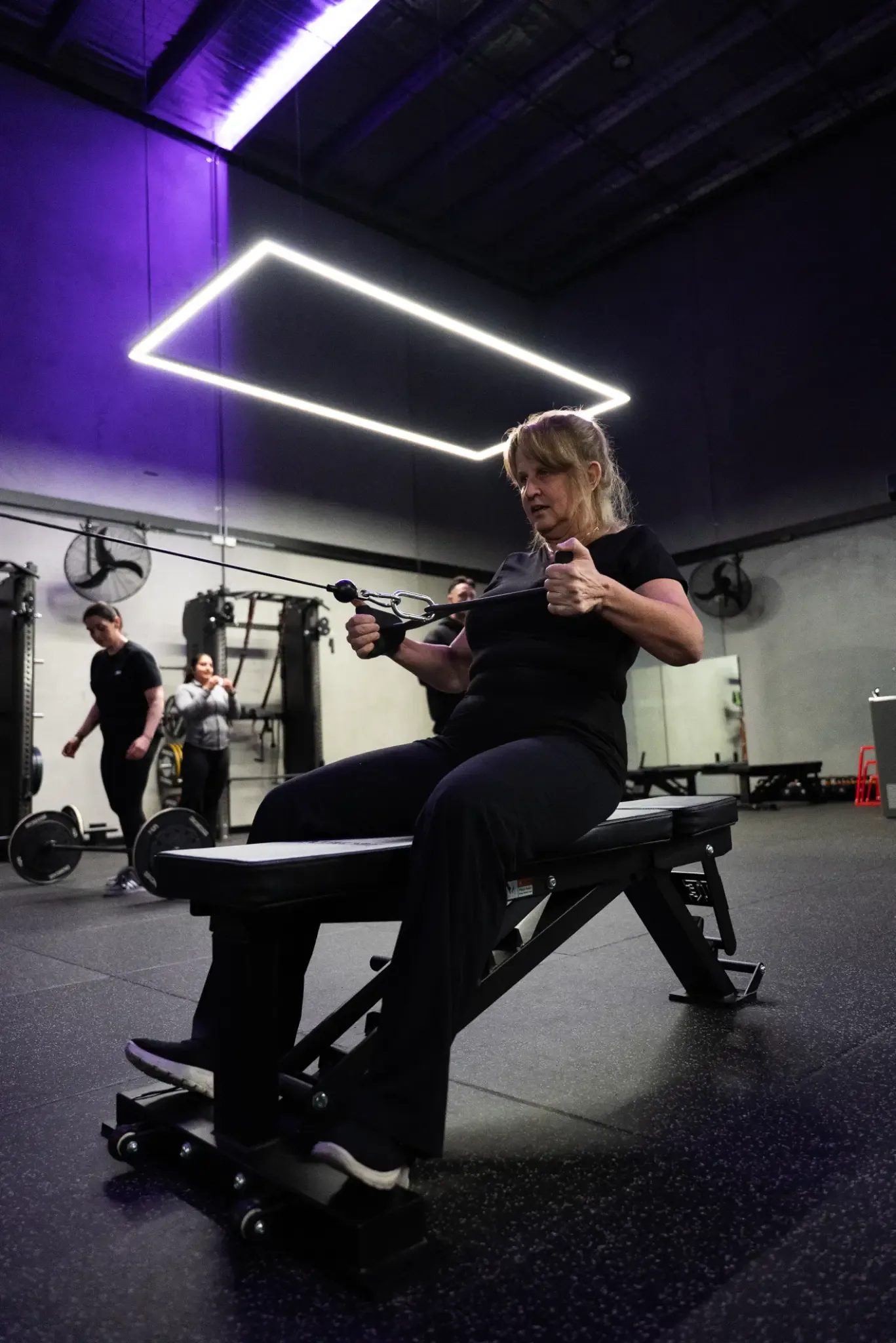
Exercise Physiology
Progressive hip abductor and glute strengthening programmes to correct the biomechanical causes of IT band syndrome.
Learn More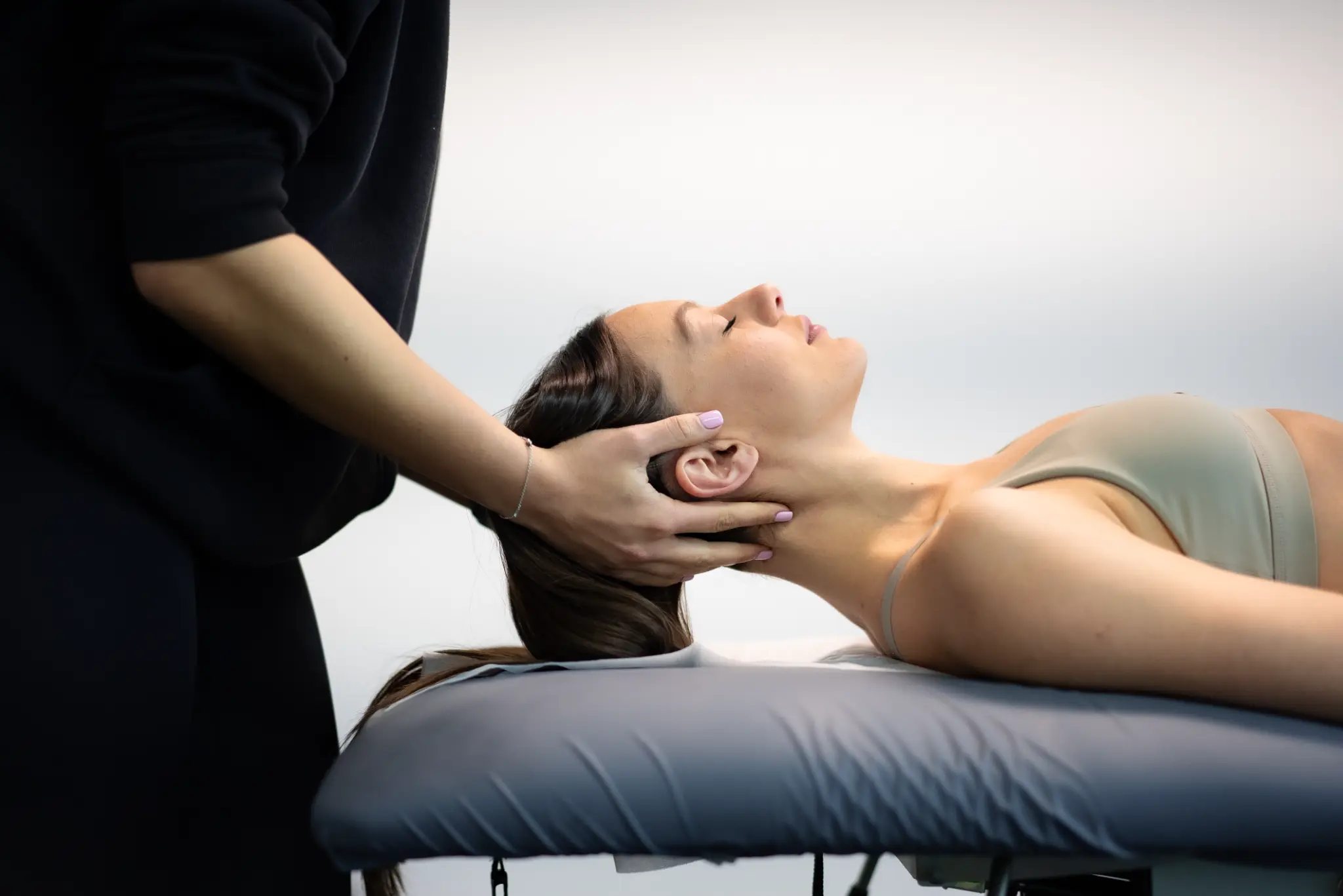
Osteopathy
Whole-body assessment addressing hip, pelvis, and lower limb mechanics contributing to ITB irritation.
Learn MoreBack to Running.
Stronger Than Before.
Foam rolling and stretching alone won't fix IT band syndrome. The research is clear: the most effective treatment addresses hip abductor weakness and running biomechanics — not just the tight ITB.
At Injury Active Clinic, our exercise physiologists design progressive hip and glute strengthening programmes that address the root cause of ITB syndrome. Our Ravenhall clinic has a full on-site rehabilitation gym, making it the ideal location for progressive running rehabilitation. We also offer running gait analysis to identify and correct the biomechanical patterns driving your injury.
Gait Analysis
Running gait assessment to identify hip drop, knee valgus, and other biomechanical contributors.
Load Management
Modify training to reduce ITB irritation while maintaining fitness during rehabilitation.
Hip Strengthening
Progressive hip abductor and glute strengthening to correct the biomechanical cause.
Return to Running
Graduated return to full training with confidence and without pain.
IT Band Treatment Near You
Four Melbourne clinics — Melbourne's west, inner west, and CBD.
IT Band Syndrome Treatment Near You
Expert IT band syndrome treatment across Melbourne's west and inner suburbs.
IT Band Treatment in Ravenhall
Our Ravenhall clinic at 38 Panamax Rd is our primary location for IT band syndrome treatment in Melbourne's west. Serving runners from Ravenhall, Caroline Springs, Derrimut, Taylors Hill, and Cairnlea, our physiotherapists and exercise physiologists provide running gait analysis, hip strengthening, and progressive rehabilitation — with an on-site gym for supervised training.
Common searches: IT band syndrome physio Ravenhall, runner's knee treatment Caroline Springs, lateral knee pain Melbourne west, ITB syndrome clinic Ravenhall.
Book at RavenhallIT Band Treatment in Tarneit
Our Tarneit clinic at 412 Derrimut Rd provides physiotherapy and myotherapy for IT band syndrome in Tarneit, Hoppers Crossing, Werribee, Point Cook, and Wyndham Vale. Whether you're a recreational runner or training for a marathon, our Tarneit team will address the cause of your ITB syndrome and get you back to running.
Common searches: IT band syndrome physio Tarneit, runner's knee treatment Hoppers Crossing, lateral knee pain Werribee, ITB syndrome clinic Tarneit.
Book at TarneitIT Band Treatment in Williamstown
At The Performance Club, 18 Macaulay St Williamstown, our osteopaths and myotherapists treat IT band syndrome for runners from Williamstown, Newport, Altona, Spotswood, and Yarraville. Our Williamstown practitioners provide hands-on treatment and targeted rehabilitation for ITB syndrome and lateral knee pain.
Common searches: IT band syndrome osteopath Williamstown, runner's knee treatment Newport, lateral knee pain Altona, ITB syndrome clinic Williamstown.
Book at WilliamstownIT Band Treatment Melbourne CBD
Our Melbourne CBD clinic inside Locker Room Gym is coming soon, bringing expert IT band syndrome treatment to the city. Register your interest to be notified when we open — or book at one of our existing Melbourne west or inner west clinics in the meantime.
Common searches: IT band syndrome treatment Melbourne CBD, runner's knee physio Melbourne city, ITB syndrome osteopath Melbourne.
Book NowIT Band Syndrome Questions Answered
What is IT band syndrome?
IT band syndrome (iliotibial band syndrome) is an overuse injury causing pain on the outer side of the knee or hip. The iliotibial band is a thick band of connective tissue running from the hip to the shin. When it becomes tight or irritated, it rubs against the lateral femoral condyle (outer knee bone) during repetitive knee flexion and extension, causing sharp or burning pain.
Can physiotherapy fix IT band syndrome?
Yes — IT band syndrome responds very well to physiotherapy and exercise physiology. Treatment focuses on reducing inflammation, releasing tight hip and ITB structures, correcting running biomechanics, and strengthening the hip abductors and glutes to reduce ITB tension. Most runners return to full training within 6–12 weeks.
Should I stop running with IT band syndrome?
Not necessarily. Depending on the severity, a modified training load is often preferable to complete rest. Your physiotherapist will advise on appropriate load management — reducing mileage, avoiding hills and camber, and modifying intensity — while you address the underlying biomechanical causes.
What causes IT band syndrome?
IT band syndrome is typically caused by a combination of training load errors (too much too soon), hip weakness (particularly hip abductors and glutes), poor running biomechanics (excessive hip adduction and knee valgus), and tight hip flexors and TFL. Downhill running and cambered roads are common aggravating factors.
Do you treat IT band syndrome in Melbourne's western suburbs?
Yes. We treat IT band syndrome at our Ravenhall, Tarneit, and Williamstown clinics. Our Ravenhall clinic has an on-site rehabilitation gym for progressive hip and glute strengthening. Same-day appointments are often available.
Stop the Lateral Knee Pain.
Get Back to Running.
Book a comprehensive IT band syndrome assessment at Injury Active Clinic. Same-day appointments often available at our Ravenhall, Tarneit, and Williamstown clinics.
Book an appointment
IT band syndrome treatment →