

Blog / Training Update
Strength Training, Running Volume & Lateral Hip Pain, IAC Weekly Update
Running, box squats, and what lateral hip pain actually tells you.
May 2026 · 7 min read
Craig's weekly update from Injury Active Clinic, training notes, coaching insights, and a clinical deep-dive on GTPS.
Each week Craig shares what's happening on the track, in the gym, and in the clinic, honest training notes, coaching rationale, and practical health insights for IAC members and the wider community.
Training volume is gradually building, and last week was a solid step forward. The week finished at 38km of running, including a 19km long run at 5:12/km pace. The standout session was 12 × 200m hill sprints at Brimbank, every bit as tough as they sound, totalling close to 10km on their own.
That hill session did leave more fatigue than ideal heading into Sunday's long run. Not perfect, but that's the reality of training, you work with the recovery you've got and adjust where needed. This week should land around the 40km mark, so the overall direction is positive: gradual progression without doing anything reckless.
"Nothing groundbreaking. Just consistent work stacked week after week. That's usually what drives progress."
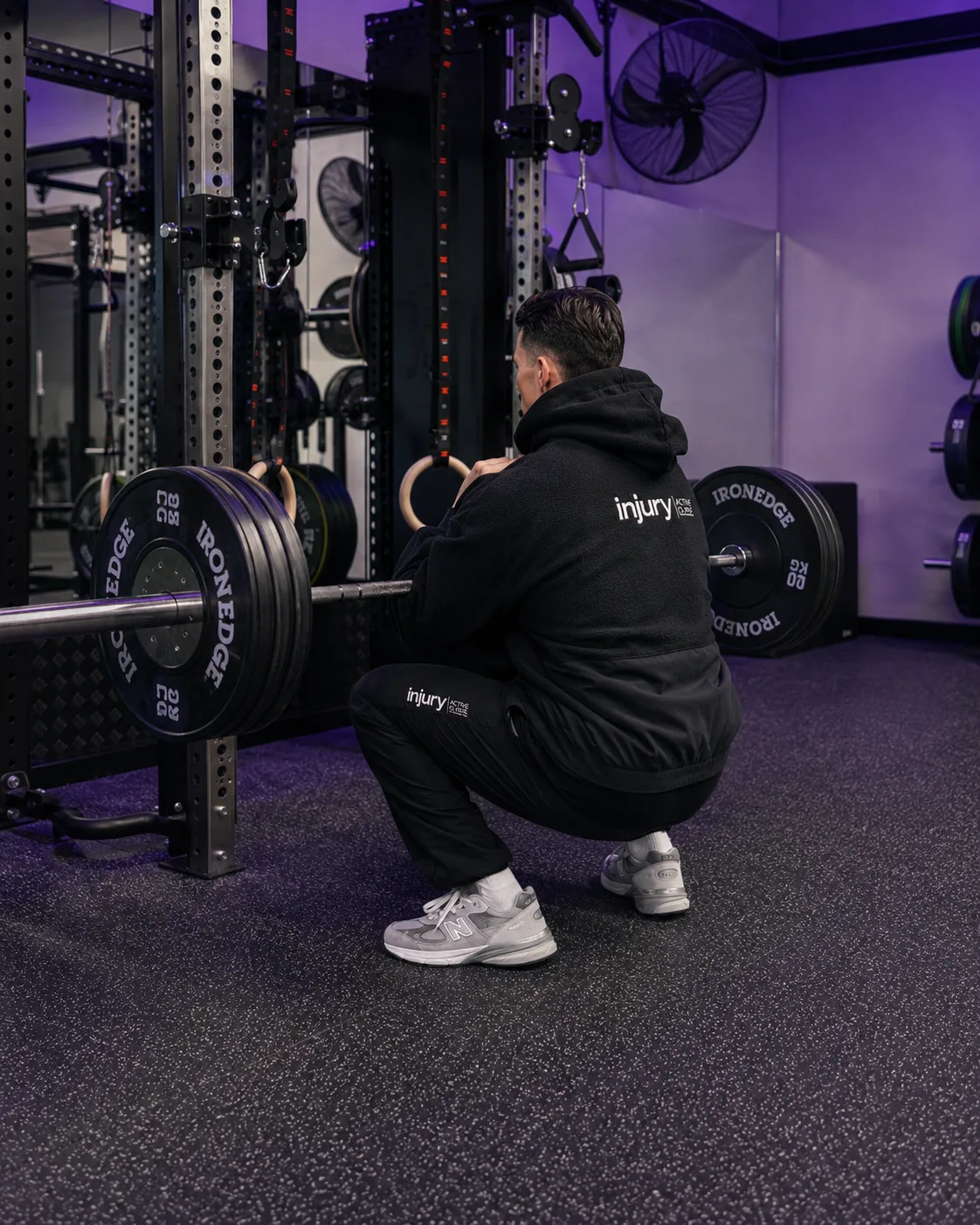
The new training block has started well. Monday's box squats were a highlight, though in hindsight, following two bigger runs over the weekend, it probably should have been a recovery day. Sometimes the urge to train legs wins. And the price was paid: 100kg for 10 reps felt far heavier than it should have.
The box squat is a valuable tool for building strength out of the bottom position of a squat. By pausing on the box, you remove momentum and force the body to produce force from a dead stop, often the exact sticking point for people who struggle to stand up out of heavier squats. It's a deliberate, controlled way to address a common weakness.
Thursday's session was equally good to coach, featuring sumo deadlifts, Bulgarian split squats, and curtsy split squats. Safe to say there were plenty of tired legs afterwards. A few members also mentioned feeling tight through the groins following Copenhagen raises, completely expected when introducing a new stimulus.
Muscle soreness can happen when we expose the body to new stress, especially in beginners or when introducing new exercises. But being sore does not automatically mean the session was effective.
If we push things so hard that soreness causes you to miss sessions later in the week, it becomes counterproductive. Long-term progress comes from consistent training volume, not from crawling down the stairs after every workout. Our goal is always enough stimulus to drive adaptation, without burying recovery.
One of the most common questions at IAC is why we don't offer lower-frequency memberships. The answer is straightforward: results.
At Injury Active Clinic, we programme with outcomes in mind. For building muscle mass and strength, members need to accumulate enough weekly volume to create meaningful adaptation, generally around 10 working sets per muscle group per week as a minimum. That becomes very difficult to achieve with only one session per week.
And considering muscle mass is one of the biggest predictors of long-term health and longevity, it's something we prioritise heavily. We'd rather create an environment that gives people the best chance of progressing consistently than offer an option that sounds appealing but delivers poor results.
Did you know women are around four times more likely to experience pain on the outside of the hip? A very common cause is Greater Trochanteric Pain Syndrome (GTPS), typically involving irritation of the gluteus medius tendon where it attaches to the greater trochanter of the femur.
The problem is that this area is frequently misdiagnosed. Many people are told they have "bursitis" when, in reality, the tendon itself is often the primary issue. This distinction matters enormously for treatment, because the rehabilitation approach for tendinopathy is fundamentally different from managing an inflamed bursa.
Tendinopathy responds well to progressive loading, the right exercises, applied at the right intensity, rebuild tendon capacity over time.
Bursitis management focuses more on reducing compressive load and inflammation, the exercises are different, and some tendon-loading exercises can actually aggravate a true bursitis.
Misdiagnosis leads to the wrong rehab, which leads to prolonged pain and frustration.
Nick recently spoke with the IAC team about assessing and managing lateral hip pain properly, including why accurate diagnosis is the foundation of good long-term outcomes. If you're experiencing pain on the outside of your hip, particularly when lying on that side at night, walking up stairs, or crossing your legs, it's worth getting a proper assessment rather than assuming it will resolve on its own. We cover this in much more depth, including the research behind it, in our full guide to hip pain treatment.
Written by Craig, founder of Injury Active Clinic Melbourne. This article is for general information only and does not constitute medical advice. If you are experiencing significant pain or neurological symptoms, seek professional assessment.
Related conditions & services
Ready to move better?
Book an appointment with our team and let's get to the root cause of what's bothering you.