
Blog / Osteoarthritis
Why Living with Osteoarthritis Is a Feature, Not a Bug
Why structured strength is the most under-prescribed treatment for OA.
March 2026 · 8 min read
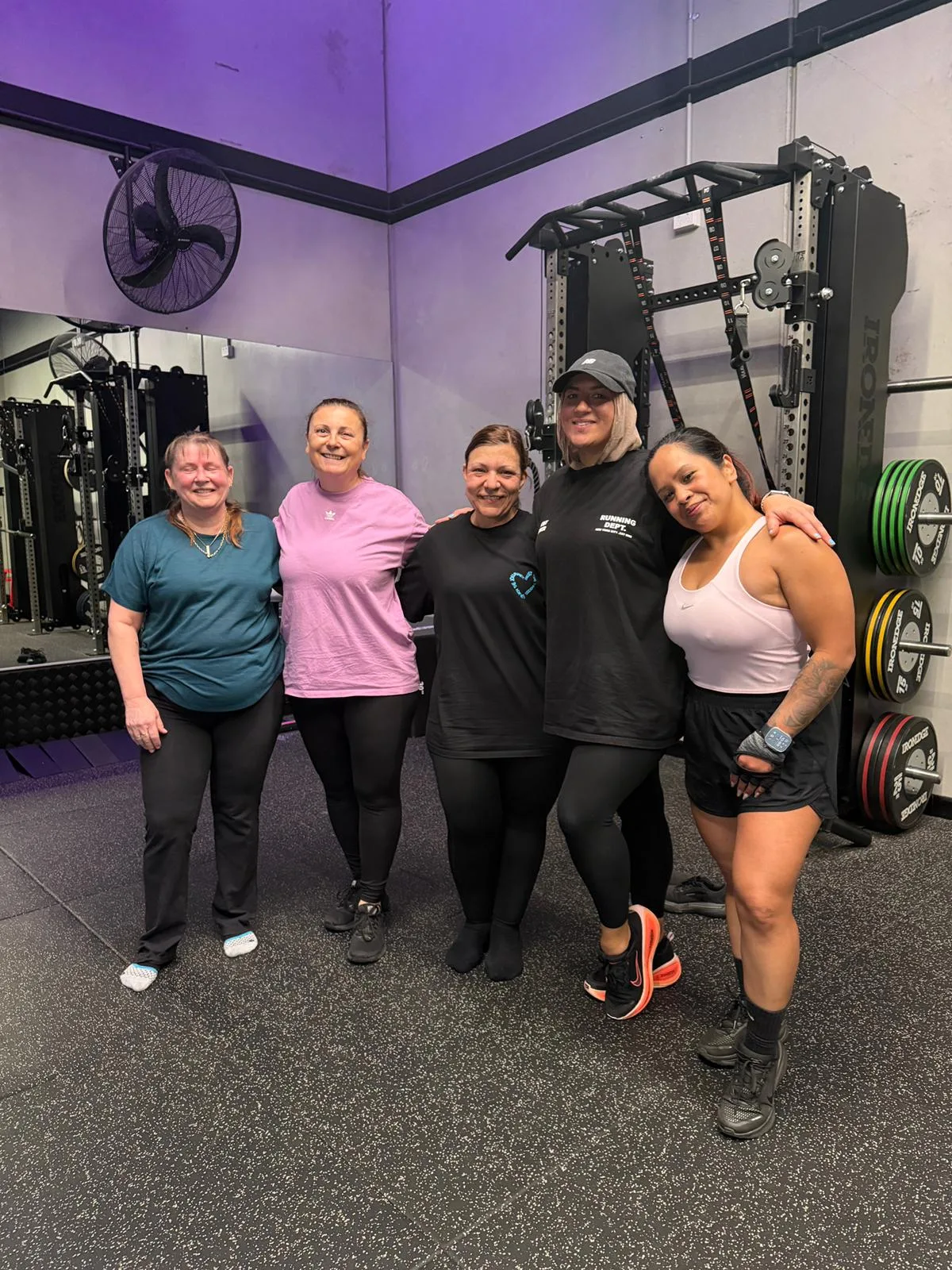
When you hear the word "osteoarthritis" (OA), what comes to mind? For many, it conjures images of "wear and tear," joints that are "bone on bone," and a future filled with inevitable decline, pain, and eventually, a joint replacement. It is a diagnosis that often feels like a life sentence, a signal to stop moving and start protecting your fragile joints from further harm.
But what if this common narrative is entirely wrong? What if an osteoarthritis diagnosis is not a bug in your system, but a feature, a crucial signal from your body that it is time to train smarter, get stronger, and build a more resilient foundation?
At Injury Active Clinic, a hybrid allied health clinic and performance gym with locations in Ravenhall and Williamstown, we challenge the outdated myths surrounding osteoarthritis. We believe that with the right combination of osteopathy and exercise physiology, you can not only manage OA but thrive alongside it.
One of the most pervasive and damaging myths about osteoarthritis is the concept of joints being "bone on bone." This phrase paints a terrifying picture of friction, damage, and inevitable agony with every step, leading people to believe that exercise will only accelerate the "wear and tear" process.
This fear-mongering terminology is not just inaccurate; it is actively harmful. It creates a nocebo effect, where the expectation of pain and damage actually increases the perception of pain and discourages movement.
The scientific evidence tells a very different story. Cartilage relies on movement and mechanical loading to stay healthy [1]. Unlike most tissues, cartilage does not have a direct blood supply, it receives nutrients through movement, like a sponge soaking up water. Avoiding movement starves your cartilage of the very nutrients it needs to survive and repair itself.
Research has consistently shown that exercise, including strength training, is not harmful to osteoarthritic joints [1]. Therapeutic exercise is safe and does not cause further cartilage degeneration. Your joints are designed to move, and they thrive on the right kind of loading.
If rest and avoidance are the wrong approaches, what is the right one? The answer lies in strength training. Building the muscles around your affected joints is one of the most effective, evidence-based strategies for managing osteoarthritis.
Think of your muscles as the shock absorbers for your joints. When the muscles surrounding a joint, such as the quadriceps, hamstrings, and glutes around the knee, are weak, the joint takes the brunt of every step. Strengthening these muscles improves their ability to absorb force, reducing the load placed directly on the joint structures.
A comprehensive 2024 systematic review published in the Journal of Personalized Medicine found that resistance training effectively alleviates OA symptoms, showing significant improvements in pain reduction, muscle strength, and functional ability. The study highlighted a moderate to strong effect on reducing pain compared to no intervention or usual care.
A study published in Arthritis & Rheumatology tracking over 2,600 people found that those who engaged in strength training had a 20% lower rate of developing knee osteoarthritis and experiencing knee pain later in life. Importantly, starting strength training even after age 50 provided similar joint damage protection. It is never too late to start.
The Royal Australian College of General Practitioners (RACGP) guidelines explicitly state that exercise is a core treatment for osteoarthritis, regardless of age, pain levels, or disease severity. They strongly recommend land-based exercises, particularly muscle strengthening, as fundamental components of evidence-based management. If your current OA management plan does not include structured strength training, it is falling short of the clinical guidelines.
At Injury Active Clinic, we understand that starting a strength training program when you are in pain can be daunting. That is why we offer a comprehensive, hybrid approach that bridges the gap between clinical rehabilitation and high-performance training.
When you are dealing with an OA flare-up, movement can feel impossible. Our osteopaths use targeted manual therapy to reduce pain, improve joint mobility, and address compensatory movement patterns, creating a window where movement becomes comfortable and accessible.
Our founder Nick is one of only 9 Advanced Sports Osteopaths in Australia, a credential reflecting deep expertise in sports medicine, biomechanics, and complex injury management.
Once your pain is managed, our exercise physiologists design customised, progressive strength training programs tailored to your capabilities, goals, and OA severity. Operating out of our fully equipped performance gyms in Melbourne's west, we guide you through structured rehab that safely loads your joints and builds robust muscle strength.
Whether your goal is to play with your grandchildren, return to sport, or simply walk up the stairs without wincing, our programs are designed to get you there.
It is time to change the way we think about osteoarthritis. Living with OA does not mean your active years are behind you. It is not a bug that breaks the system, it is a feature.
View it as a highly sophisticated alarm system that highlights the necessity of strength and structured movement. It is your body's way of telling you that it needs more support, more muscle, and more intentional care. It is a call to action, an invitation to stop taking your mobility for granted and start actively investing in your physical resilience.
Do not wait for a joint replacement or accept pain as a normal, unavoidable part of ageing. With the right guidance, the right mindset, and a commitment to strength training, osteoarthritis can be the catalyst that pushes you to become the strongest, most capable version of yourself.
If you are tired of being told to "rest and take painkillers", if you are ready to ditch the myths and start building real, lasting strength, we are here to help. Book a direct assessment at any of our three Melbourne west locations.
Yes. Research consistently shows that exercise, including strength training, is safe for osteoarthritic joints and does not cause further cartilage damage. Cartilage relies on movement and mechanical loading to receive nutrients, avoiding movement actually starves cartilage of the fluid it needs to stay healthy. Therapeutic exercise is endorsed by the Royal Australian College of General Practitioners as a core treatment for OA.
Strength training is the most evidence-based exercise intervention for osteoarthritis. Building the muscles around affected joints, such as the quadriceps and glutes for knee OA, reduces the load on the joint, decreases pain, and improves function. A 2024 systematic review found resistance training had a moderate to strong effect on reducing OA pain compared to no intervention. Low-impact aerobic exercise such as walking and cycling is also beneficial.
Not necessarily. Many people with osteoarthritis manage their condition effectively through exercise, strength training, and manual therapy without ever requiring surgery. Joint replacement is typically considered only when conservative management has been exhausted and quality of life is severely impacted. Starting a structured exercise program early significantly reduces the likelihood of reaching that point.
Osteopathy helps manage OA by reducing pain, improving joint mobility, and addressing compensatory movement patterns that develop when you avoid loading a painful joint. Manual therapy techniques calm the nervous system and create a window where movement becomes more comfortable, making it easier to engage in the strength training that provides long-term benefit. Our founder Nick is one of only 9 Advanced Sports Osteopaths in Australia.
Absolutely. A study published in Arthritis & Rheumatology tracking over 2,600 people found that starting strength training after age 50 provided similar joint damage protection to starting earlier. It is never too late to build muscle and improve your joint health. Our exercise physiologists design programs specifically for people at every stage of life and every level of OA severity.
Injury Active Clinic has three locations in Melbourne's west: Ravenhall and Williamstown. Each clinic offers osteopathy and exercise physiology for osteoarthritis management, with access to fully equipped performance gyms for supervised strength training programs.
Related conditions & services
Ready to move better?
Book an appointment with our team and let's get to the root cause of what's bothering you.