

Blog / Back Pain
Back Pain Treatment Near Caroline Springs (5 Minutes From Ravenhall)
Comprehensive assessment and active rehabilitation for lasting relief
June 2026 · 6 min read
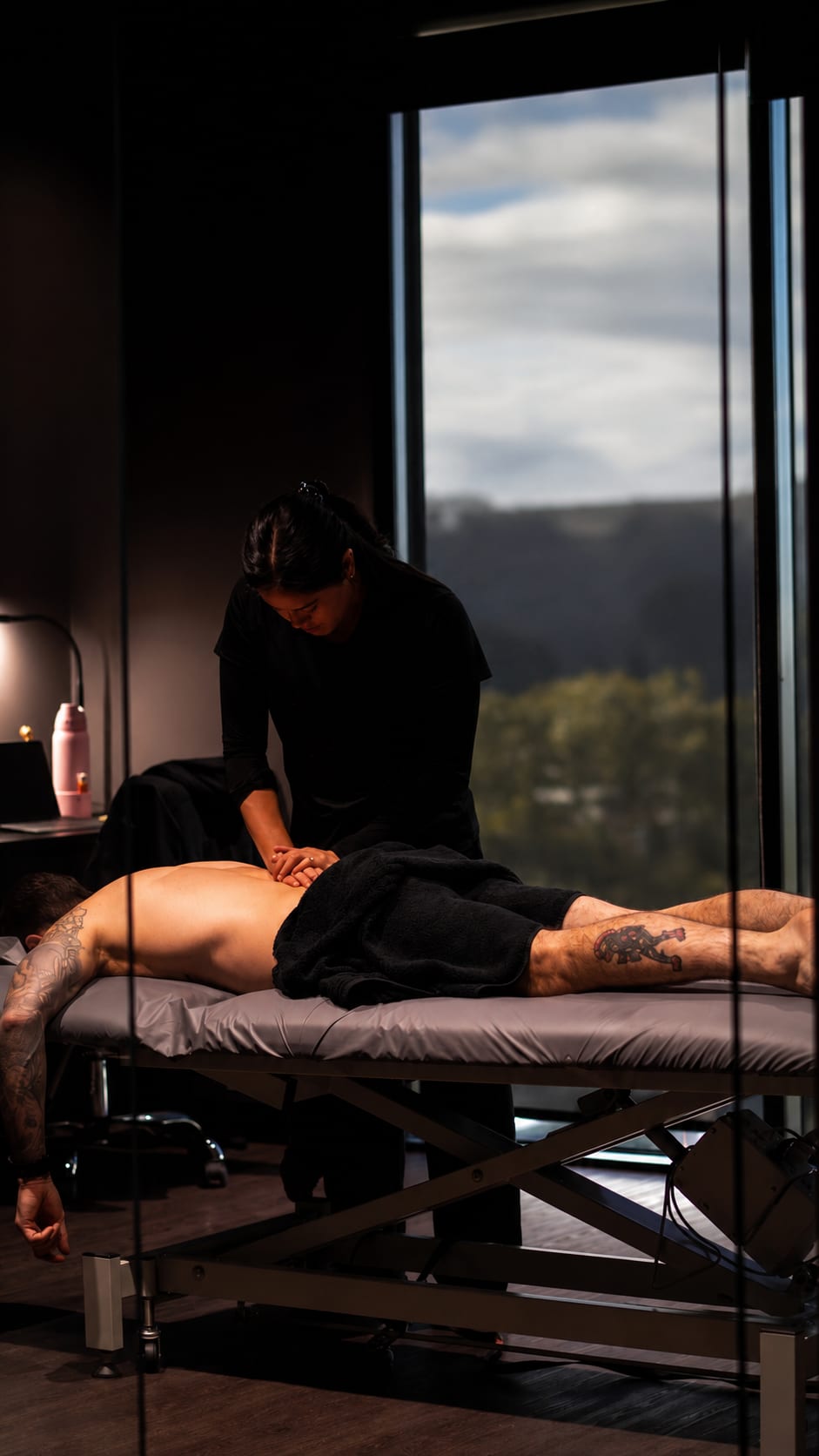
If you're dealing with back pain in Caroline Springs, you're not alone. About 80% of Australians will experience significant back pain at some point, and for many, it becomes a recurring issue that limits work, sport, and everyday life. The good news? Most back pain responds well to the right combination of hands-on treatment and active rehabilitation, particularly when we address the underlying cause, not just the symptoms.
At Injury Active Clinic Ravenhall, just minutes from Caroline Springs, we take a different approach to back pain. We find the cause. We fix the problem. We keep it away. This isn't just a tagline, it's how we structure every assessment and treatment plan.
Why Back Pain Persists (And Why Quick Fixes Don't Work)
Back pain rarely has a single cause. While you might feel it after lifting something heavy or waking up "wrong", the actual problem often builds over months or years. Deconditioning, movement patterns, previous injuries, stress, and even beliefs about pain all contribute.
Research by O'Sullivan and colleagues (2018) shows that most chronic back pain isn't about tissue damage, it's about sensitisation, protective muscle guarding, and movement avoidance. Your back becomes overprotective, treating normal movements as threats.
This is why passive treatments alone (massage, manipulation, machines) often provide temporary relief but don't solve the problem. Without addressing strength, movement confidence, and the factors that led to pain initially, the cycle continues.
That's where our integrated approach at IAC comes in. We combine hands-on treatment to settle symptoms with active rehabilitation to address the real drivers of your pain.
How We Treat Back Pain at IAC
Your first appointment starts with a comprehensive assessment. We don't just ask where it hurts, we analyse how you move, test strength and flexibility, review your injury history, and understand what activities matter to you. This might take 45-60 minutes, but it's essential for finding the actual cause.
Based on this assessment, your physiotherapist or osteopath will explain what's driving your pain (in plain English, not medical jargon) and create a treatment plan that typically includes:
- Hands-on treatment to reduce pain and restore movement, including manual therapy, dry needling, or soft tissue work as appropriate
- Specific exercises targeting weak links identified in your assessment
- Movement retraining to correct patterns that load your back inefficiently
- Progressive loading in our rehabilitation gym to build resilience
What makes IAC different is that your rehab continues in the same building. No referral to an external gym where nobody knows your history. Your treating practitioner can hand you directly to our exercise physiologists or strength coaches, who continue your program with full knowledge of your condition and goals.
The Caroline Springs Back Pain Pattern
We see distinct patterns in back pain presentations from Caroline Springs and surrounding suburbs. Many residents commute to Melbourne CBD (40-50 minutes each way), work desk jobs, then try to stay active on weekends. This creates a perfect storm: prolonged sitting, stress, irregular exercise, and weekend warrior syndrome.
The solution isn't just "sit less" or "stretch more", it's building capacity to handle these demands. Our rehabilitation programs specifically address the demands of your actual life, not theoretical perfect posture scenarios.
For Caroline Springs residents who train at local gyms or play sport, we also coordinate with your existing training. Back pain shouldn't mean stopping everything you enjoy. It means modifying smartly while we build you back stronger.
Modern Pain Science: Why Movement Is Medicine
One of the most important things we teach patients is that pain doesn't equal damage. Modern pain science, pioneered by researchers like Lorimer Moseley and David Butler, shows that pain is an alarm system, not a damage meter. Your back might hurt intensely even when tissues are perfectly healthy.
This matters because fear of movement often maintains back pain long after any initial injury heals. People avoid bending, twisting, or loading their back, leading to deconditioning and hypersensitivity. The back becomes weaker and more sensitive, creating a vicious cycle.
At IAC, we integrate pain education into treatment. Understanding why your back hurts, and more importantly, why it's safe to move, often provides as much relief as hands-on treatment. We progressively expose you to movements you've been avoiding, proving to your nervous system that these movements are safe.
This approach, called graded exposure, has strong evidence support. Studies by Vlaeyen and Linton (2000) established that addressing fear-avoidance beliefs is crucial for chronic back pain recovery. We don't just tell you to "push through", we systematically build confidence through successful movement experiences.
Strength Training as Treatment, Not Just Exercise
Here's what many back pain sufferers don't realise: strength training isn't something you do after treatment, it IS treatment. Building capacity in your trunk, hips, and entire posterior chain changes how your back handles load.
Our rehabilitation gym at Ravenhall isn't a typical physio clinic setup with a few resistance bands. We have barbells, dumbbells, cable systems, real training equipment. Once you're ready, we teach movements like deadlifts, squats, and carries. Yes, even with back pain (modified appropriately).
Research consistently shows resistance training reduces back pain recurrence. A systematic review by Steele and colleagues (2020) found that progressive resistance exercise significantly improves pain, disability, and quality of life in chronic low back pain, often more effectively than other exercise types.
The key is progression. We might start with isometric holds or partial range movements, gradually building to full movements under load. Your program evolves based on response, not rigid timelines.
Why Caroline Springs Residents Choose IAC
Located on Panamax Road, IAC serves the entire Caroline Springs area with easy access and parking. But proximity isn't why patients choose us. It's results.
We see people who've tried everything: GPs, specialists, other physios, chiropractors, massage. What they often haven't tried is a truly integrated approach that addresses both symptoms and causes, combines passive and active treatment, and continues support through complete rehabilitation.
Our founder Craig brought this model from the UK, where IAC started in 2013. After 18 years treating everyone from desk workers to professional athletes, he knows that lasting results come from comprehensive care, not quick fixes.
For Caroline Springs residents dealing with back pain, this means you don't need to travel to Melbourne CBD for quality care. Evidence-based treatment that addresses the real drivers of your pain is available locally.
Back pain might be common, but it doesn't have to be permanent. With the right assessment, treatment, and rehabilitation program, most people can return to everything they want to do, and stay there.
Book a consultation at IAC to start your recovery properly. We'll assess your specific situation, explain what's driving your pain, and create a clear path forward.
Related conditions & services
Ready to move better?
Book an appointment with our team and let's get to the root cause of what's bothering you.