Book same-day appointments ·
Call (03) 7057 7284
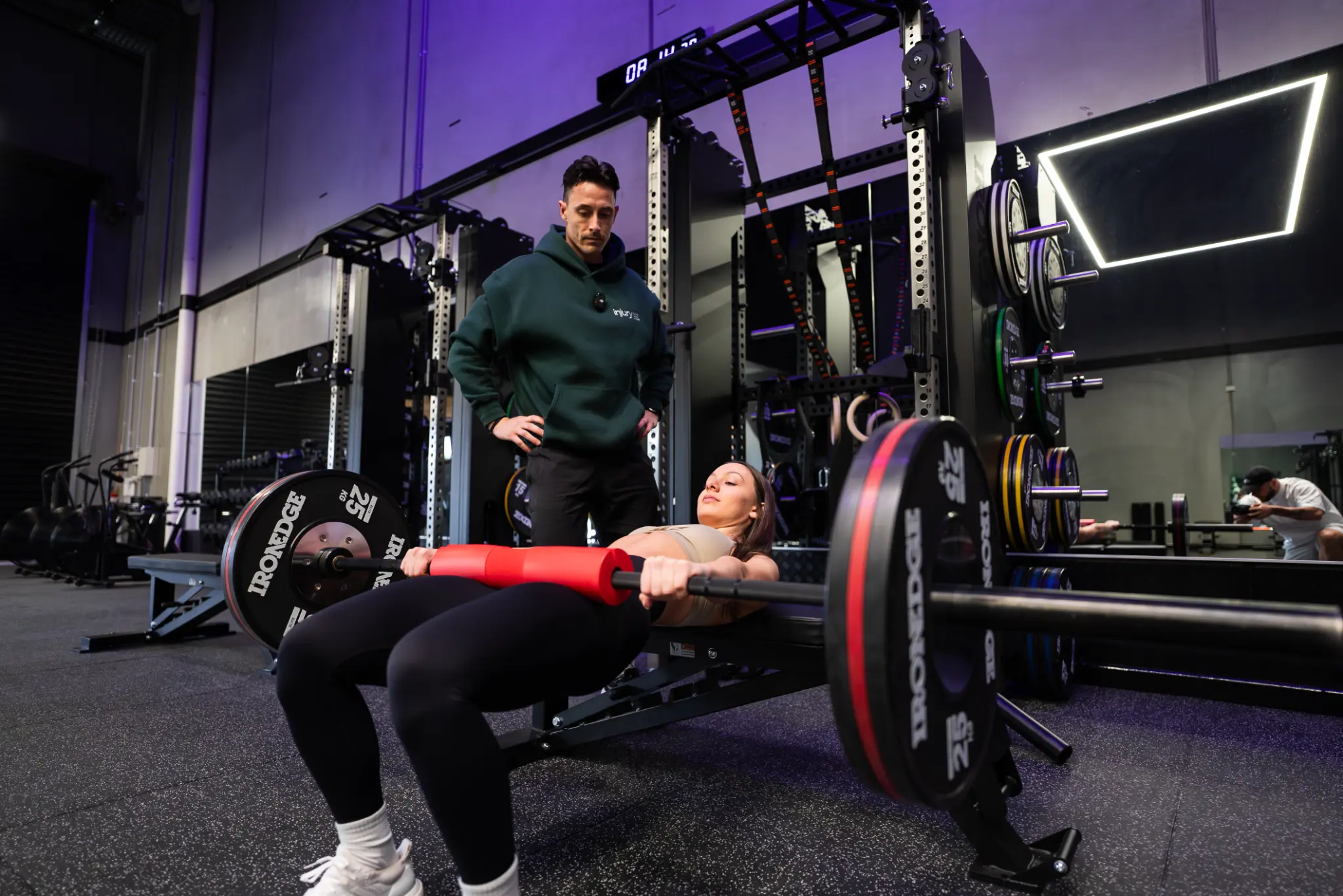
Gym Injury Treatment Melbourne
Back strains, shoulder injuries, knee pain, tendon problems: we assess and treat gym-related injuries and build a plan to keep you training where possible.
Why Choose Injury Active
Gym injuries are frustrating, especially when they force you to stop training. At Injury Active Clinic, our practitioners are active themselves and understand the demands of strength training, CrossFit, powerlifting, and general gym work.
We don't just tell you to rest. Our multi-disciplinary team of physiotherapists, osteopaths, myotherapists, and exercise physiologists will assess your injury thoroughly, identify the root cause, and build a plan that keeps you as active as possible while you recover.
Common Gym Injuries
Gym injuries range from acute muscle strains to chronic overuse conditions. Accurate diagnosis is the first step to effective treatment.
Muscle or ligament injuries from deadlifts, squats, or rows, often caused by poor technique, excessive load, or fatigue. One of the most common gym injuries we treat.
Rotator cuff tendons can become sensitised and irritated, typically from bench pressing and overhead work. Causes sharp pain with certain arm positions.
Patellofemoral pain, patellar tendinopathy, or IT band syndrome from squatting, leg press, or running on a treadmill. Often related to movement pattern issues or load management.
Partial or complete tears of the bicep tendon or pectoral muscle, usually from heavy bench press or curling. Requires prompt assessment to determine whether conservative or surgical management is appropriate.
Lateral or medial epicondylitis ('tennis elbow' or 'golfer's elbow') from gripping, pulling, or pressing movements. Responds well to load management and progressive tendon rehabilitation.
Overuse injuries from high-volume pressing, gripping, or barbell work. Common in powerlifters and CrossFit athletes. Treatment focuses on load management and tissue rehabilitation.
Treatment Options
Our multi-disciplinary approach means you get the right treatment for your specific injury, and a plan to get back training.
Movement assessment, manual therapy, and progressive return-to-training programmes tailored to your specific gym injury.
Learn more →
Whole-body hands-on treatment addressing joint mechanics, muscle balance, and movement patterns that contribute to gym injuries.
Learn more →
Soft tissue therapy, dry needling, and trigger point release for muscle strains, tension, and overuse injuries from training.
Learn more →
Supervised progressive loading and return-to-training programmes, keeping you as active as possible while your injury heals.
Learn more →
Our Locations
Two clinics in Melbourne's west and inner west, Ravenhall and Altona. A City clinic is planned for 2027 and isn't open yet.
Local Gym Injury Treatment
Gym injury treatment across Melbourne's west and inner west.
Our Ravenhall clinic at 38 Panamax Rd is our flagship location for gym injury treatment in Melbourne's west. With an on-site rehabilitation gym, we can assess your movement under load and design a progressive return-to-training programme. We serve patients from Ravenhall, Caroline Springs, Derrimut, Taylors Hill, and Sunshine West.
Common searches: gym injury physio Ravenhall, gym injury osteopath Caroline Springs, weightlifting injury treatment Melbourne west.
Book at RavenhallOur Ravenhall clinic at 38 Panamax Rd is a 5-minute drive from Caroline Springs. With an on-site rehabilitation gym, we assess your movement under load and design a progressive return-to-training programme.
Common searches: gym injury treatment caroline springs, gym injury clinic caroline springs.
Book at RavenhallAt 22 Reserve Court Altona, our osteopaths and myotherapists treat gym injuries for patients from Altona, Newport, Williamstown, and Spotswood. Located inside a performance gym, our Altona practitioners understand training demands and will provide hands-on treatment alongside practical training modifications.
Common searches: gym injury osteopath Altona, gym injury treatment Newport, weightlifting injury Williamstown.
Book at AltonaFAQs
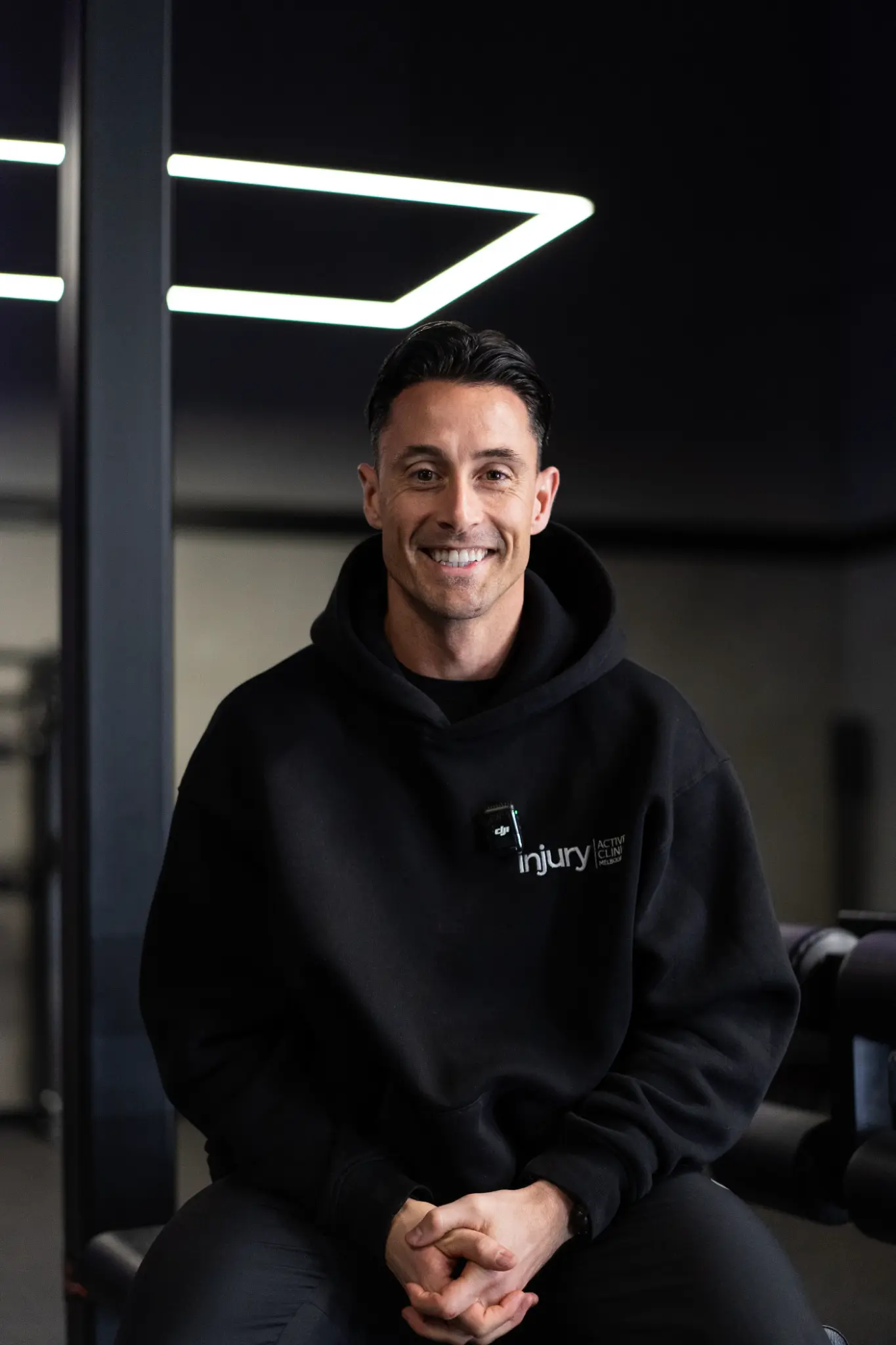
Founder
Founder & Head Myotherapist
BSc Hons Sports Therapy, Adv Dip Myo
Craig founded Injury Active Clinic in the UK in 2013 and brought his unique approach to Melbourne in 2022. 18 years of experience treating sports and lifestyle-related injuries, integrating physical therapy with fitness coaching.
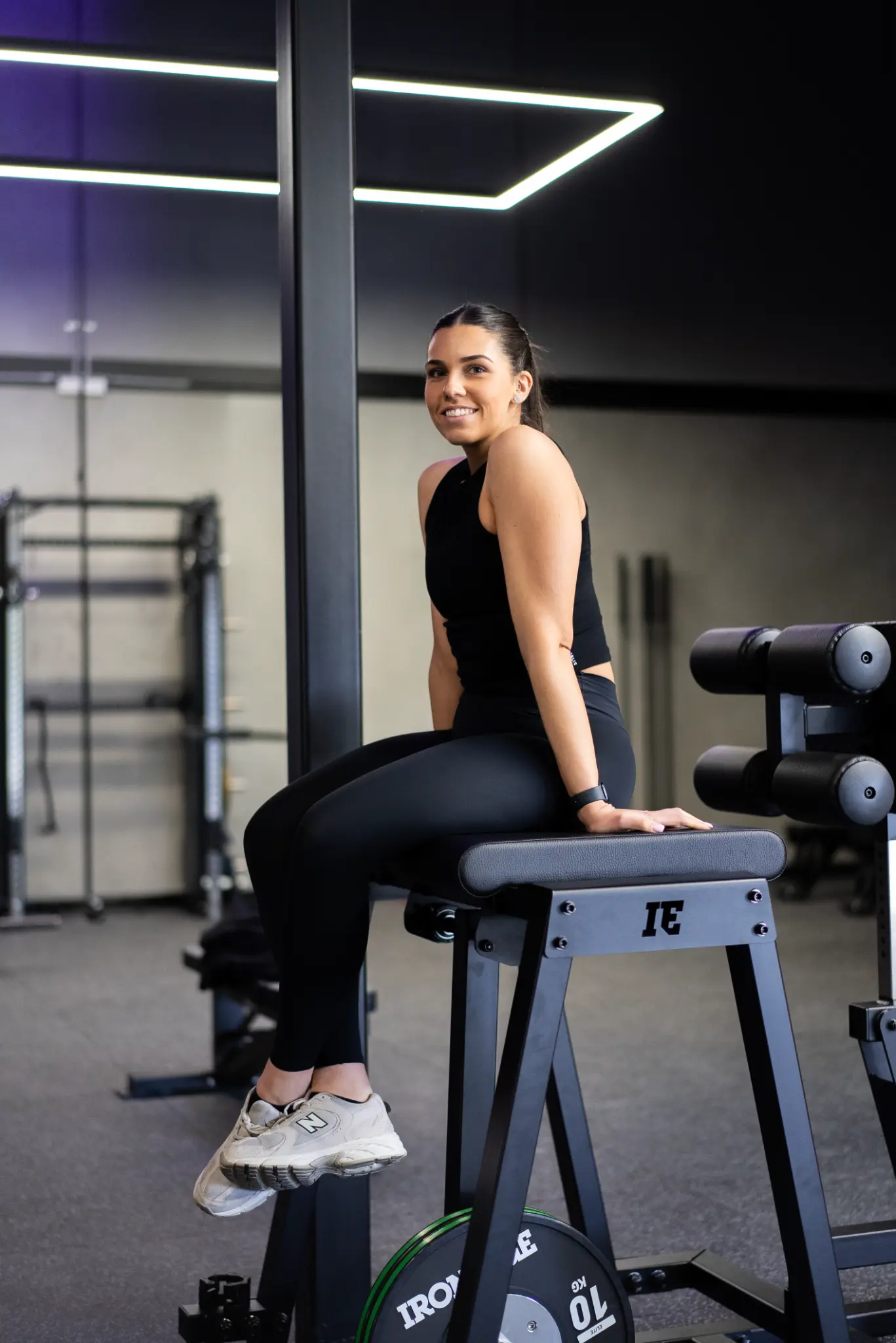
Exercise Physiologist & Myotherapist
AEP · Exercise Scientist · Myotherapist
Emily is an Accredited Exercise Physiologist, Exercise Scientist and Myotherapist. Triple-qualified, she bridges hands-on therapy and structured exercise rehab. Focuses on chronic conditions, musculoskeletal rehab, and clinical exercise prescription.
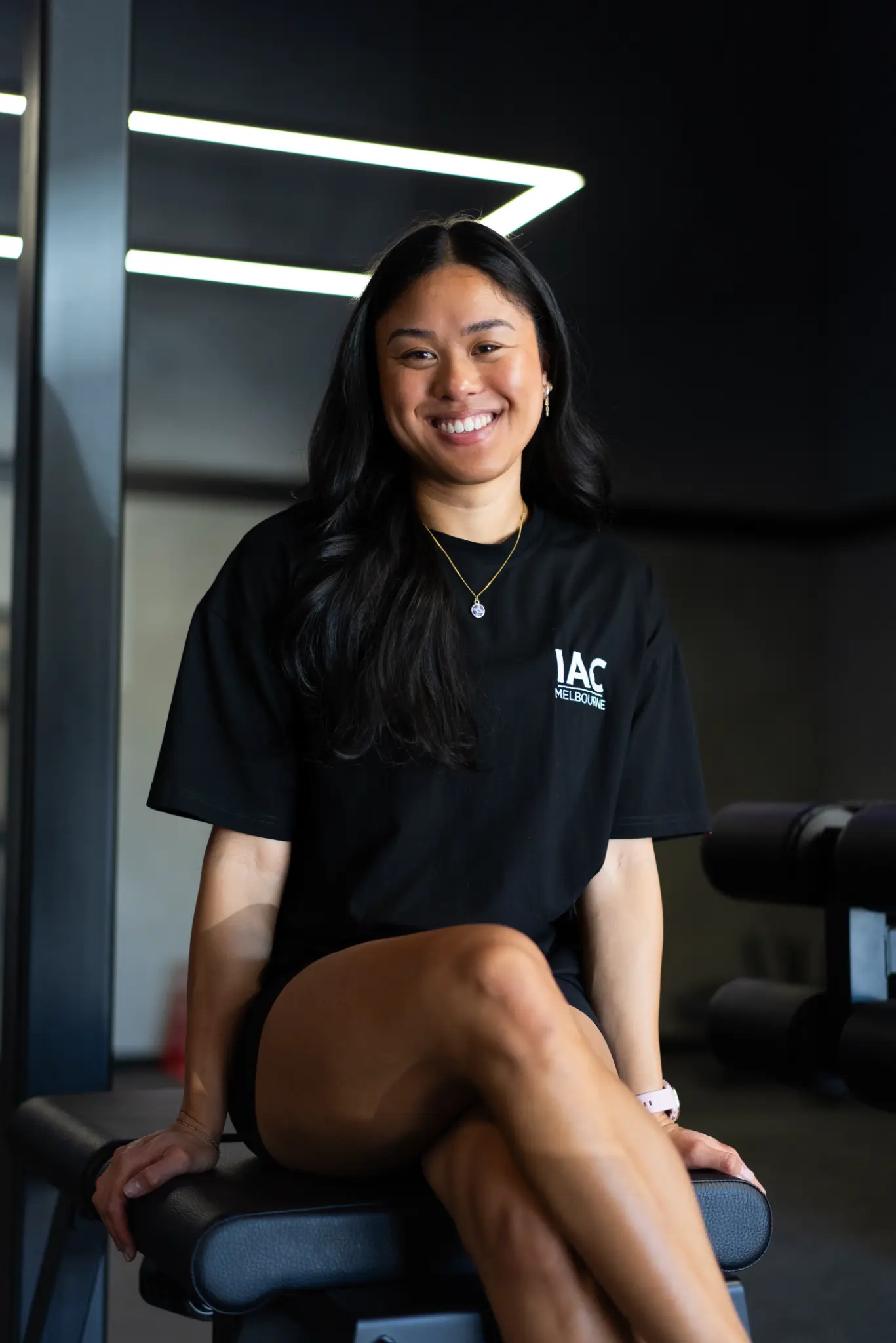
Osteopath
Danielle brings a warm, thorough approach to osteopathy. Her clinical interests are headaches and migraines, postural dysfunction, and sports injury rehab. Combines soft tissue therapy, joint mobilisation, and corrective exercise.
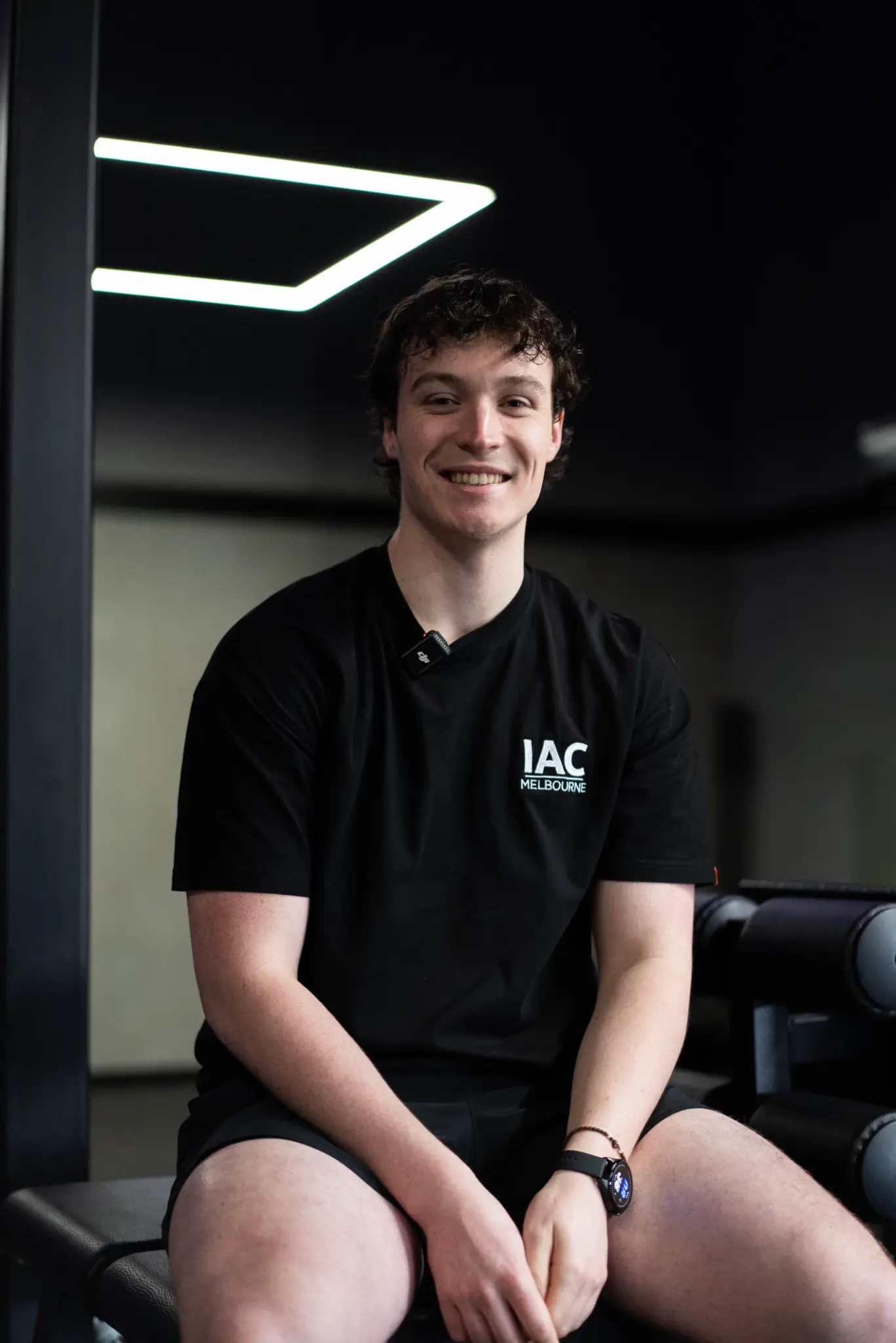
Exercise Scientist & Lead Coach
BSc Exercise Science
Sam holds a degree in Exercise Science and leads our gym programming. He delivers structured 1:1 and small-group sessions built around sound exercise science, adapted to each client's injury history and goals. Considering an MSc in Physiotherapy.
Google Reviews
Book Your Assessment
Don't keep managing it with rest and hoping it improves. Here's what happens at your first Pain & Movement Assessment.
Book a Pain & Movement Assessment01
We talk through your history, symptoms and goals, then assess your movement, strength and the structures most likely involved.
02
We explain what we think is going on, your treatment options, and a plan with realistic timelines. If you need imaging or a GP or specialist review, we'll tell you.
03
Hands-on treatment if it is appropriate, exercises to start with, and when we will review your progress.
We also treat these related conditions at our Ravenhall and Altona clinics.
Newsletter
Pain management, strength training, and recovery insights from the IAC team. One email a week. No spam.
By subscribing you agree to receive emails from Injury Active Clinic. Unsubscribe anytime.