
★★★★★
"Craig is amazing. My pain has decreased, my mobility has improved 10 fold, and my energy has increased, with a passion to get back into fitness. Seriously, I cannot recommend Craig highly enough."
Back Pain Treatment Melbourne
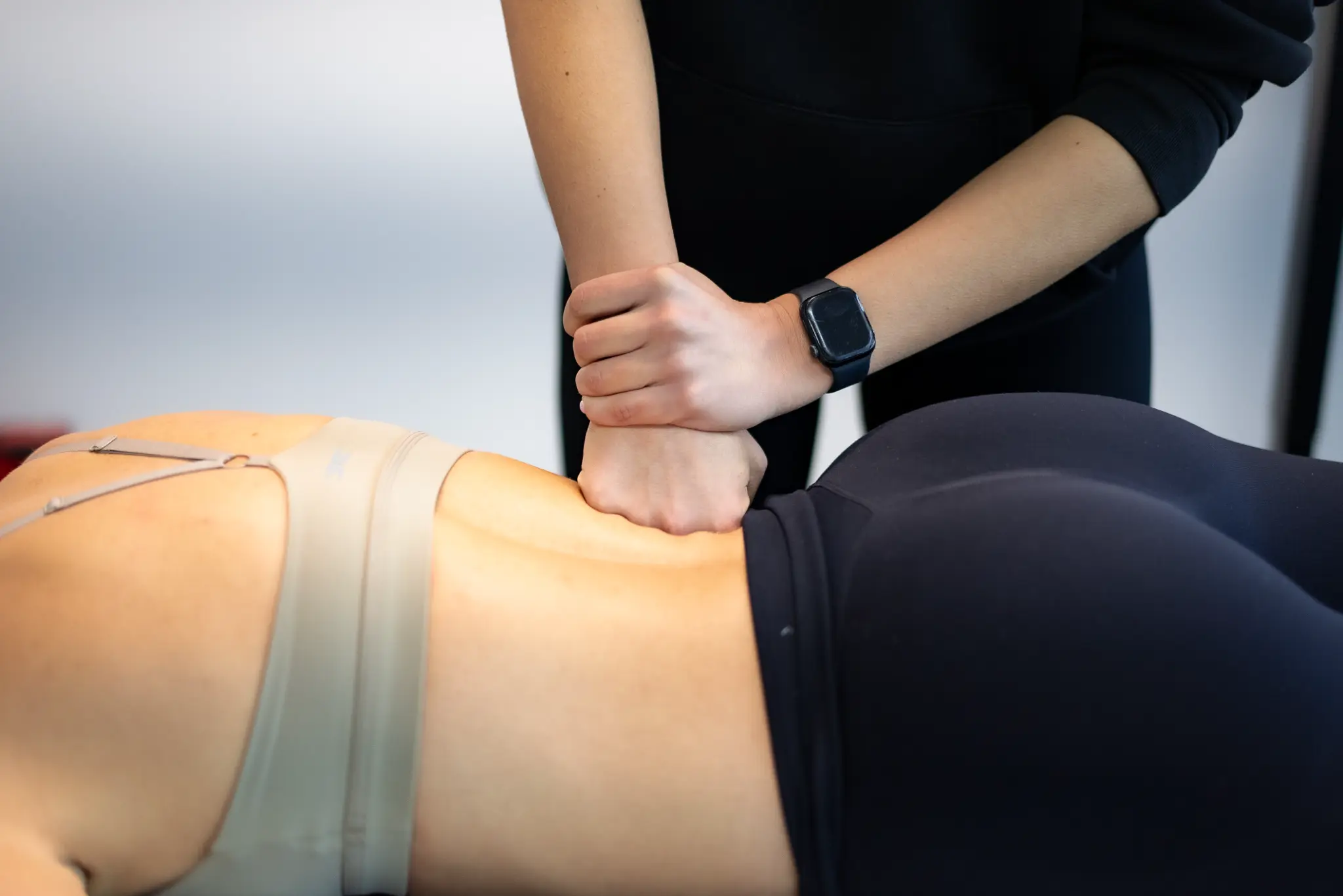
Physiotherapy, osteopathy, myotherapy, and exercise physiology, all under one roof. We find the cause of your back pain and treat it at the source.
Why Choose Injury Active
Back pain is the leading cause of disability worldwide, and one of the most common reasons Australians seek allied health care. At Injury Active Clinic, we don't just treat the pain. We identify the root cause, whether that's a disc injury, muscle imbalance, joint dysfunction, or postural problem, and build a treatment plan that addresses it directly.
Our multi-disciplinary team of physiotherapists, osteopaths, myotherapists, and exercise physiologists work together across our four Melbourne clinics to provide integrated, evidence-based back pain treatment that gets lasting results.
Common Causes
Back pain has many causes. Accurate diagnosis is the first step to effective treatment.
Overstretched or torn muscle fibres from lifting, twisting, or sudden movement. One of the most common causes of acute lower back pain.
Bulging or herniated discs that press on nearby nerves, causing local back pain and often referred pain or sciatica down the leg.
Irritation or degeneration of the small joints between vertebrae, often causing stiffness and localised pain that worsens with extension.
Compression or irritation of the sciatic nerve, producing shooting pain, tingling, or numbness from the lower back into the buttock and leg.
Prolonged sitting, poor workstation setup, or muscle imbalances that place sustained load on the spine and surrounding structures.
Age-related degeneration of spinal joints and discs, causing stiffness, reduced range of motion, and chronic aching pain.
Try this first
Before you book anything, try these. They're simple, they're safe, and they often take the edge off common lower back pain. If they help, brilliant — keep them up.
If they don't settle things, that's useful information too — it usually means there's something more specific going on that a generic stretch won't fix. That's exactly what a proper assessment is for.
Our Approach
We combine multiple disciplines to address the cause of your back pain, not just the symptoms.
Manual therapy, dry needling, and targeted exercise rehabilitation to restore movement and prevent recurrence.
Learn more →
Whole-body hands-on treatment addressing joint, muscle, and nerve contributions to your back pain.
Learn more →
Trigger point therapy, cupping, and soft tissue release for muscular back pain and tension.
Learn more →
Supervised strength and conditioning programmes to build spinal resilience and prevent future injury.
Learn more →
Our Locations
Four Melbourne clinics, Melbourne's west, inner west, and CBD.
Local Back Pain Treatment
Expert back pain treatment across Melbourne's west and inner suburbs. Find your nearest clinic below.
Our Ravenhall clinic at 38 Panamax Rd is our flagship location for back pain treatment in Melbourne's west. Serving patients from Ravenhall, Caroline Springs, Derrimut, Taylors Hill, Cairnlea, Kings Park, and Burnside Heights, our team of physiotherapists, osteopaths, and myotherapists provide comprehensive back pain assessment and treatment, with an on-site rehabilitation gym for long-term recovery.
Common searches: back pain physio Ravenhall, back pain osteopath Caroline Springs, lower back pain treatment Ravenhall, back pain clinic Melbourne west.
Book at RavenhallOur Ravenhall clinic at 38 Panamax Rd is a 5-minute drive from Caroline Springs. We find what is actually driving your lower back pain, treat it properly, and build the strength so it stops returning, with an on-site rehabilitation gym.
Common searches: back pain treatment Caroline Springs, back pain osteopath Caroline Springs, lower back pain clinic Caroline Springs.
Book Your Back Pain AssessmentAt 22 Reserve Court Altona, our osteopaths and myotherapists treat back pain for patients from Altona, Newport, Williamstown, Spotswood, and Yarraville. Our Altona practitioners are experienced in treating postural back pain, disc injuries, and sports-related back injuries using hands-on manual therapy and targeted rehabilitation.
Common searches: back pain osteopath Altona, back pain treatment Newport, lower back pain Williamstown, back pain clinic Altona.
Book at AltonaOur Melbourne CBD clinic is coming soon, bringing expert allied health care for back pain to office workers and city residents across the Melbourne CBD, Docklands, Southbank, and surrounding suburbs.
Common searches: back pain physio Melbourne CBD, back pain osteopath Melbourne city, lower back pain treatment CBD.
Join the CBD WaitlistDesk Workers & Office Pain
If you spend most of your day sitting, at a desk, in a car, or on a couch, and your lower back aches by mid-afternoon, you are not alone. Lower back pain from prolonged sitting is one of the most common complaints we see at Injury Active Clinic, and it is almost always treatable without surgery or long-term medication.
Sitting for extended periods compresses the lumbar discs, shortens the hip flexors, and switches off the deep stabilising muscles of the spine. Over time, this creates a pattern of pain that worsens through the day and often feels better when you stand or walk. Many patients describe it as a dull ache across the lower back, tightness through the hips, or a stiffness that takes several minutes to ease when they first stand up.
At Injury Active Clinic, we treat desk-related lower back pain with a combination of hands-on manual therapy to restore movement, targeted exercise to rebuild spinal stability, and practical advice on workstation setup and movement habits. Our integrated clinic and gym model means you move from pain management into strength and prevention without ever needing to change clinics.
Book a Pain & Movement AssessmentFAQs
Founder
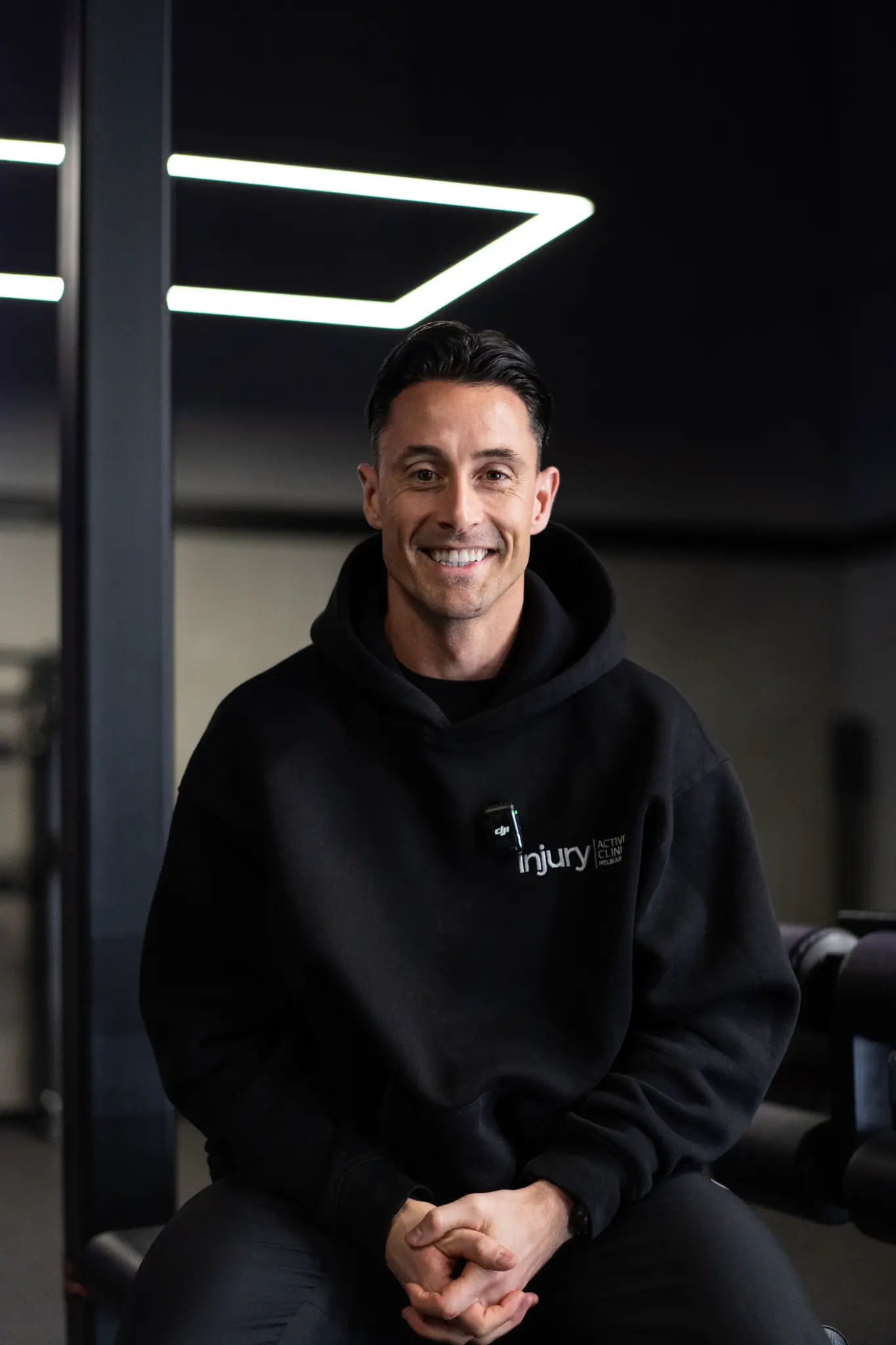
Founder & Head Myotherapist
BSc Hons Sports Therapy, Adv Dip Myo
Craig founded Injury Active Clinic in the UK in 2013 and brought his unique approach to Melbourne in 2022. 18 years of experience treating sports and lifestyle-related injuries, integrating physical therapy with fitness coaching to deliver lasting results.
Exercise Physiologist & Myotherapist
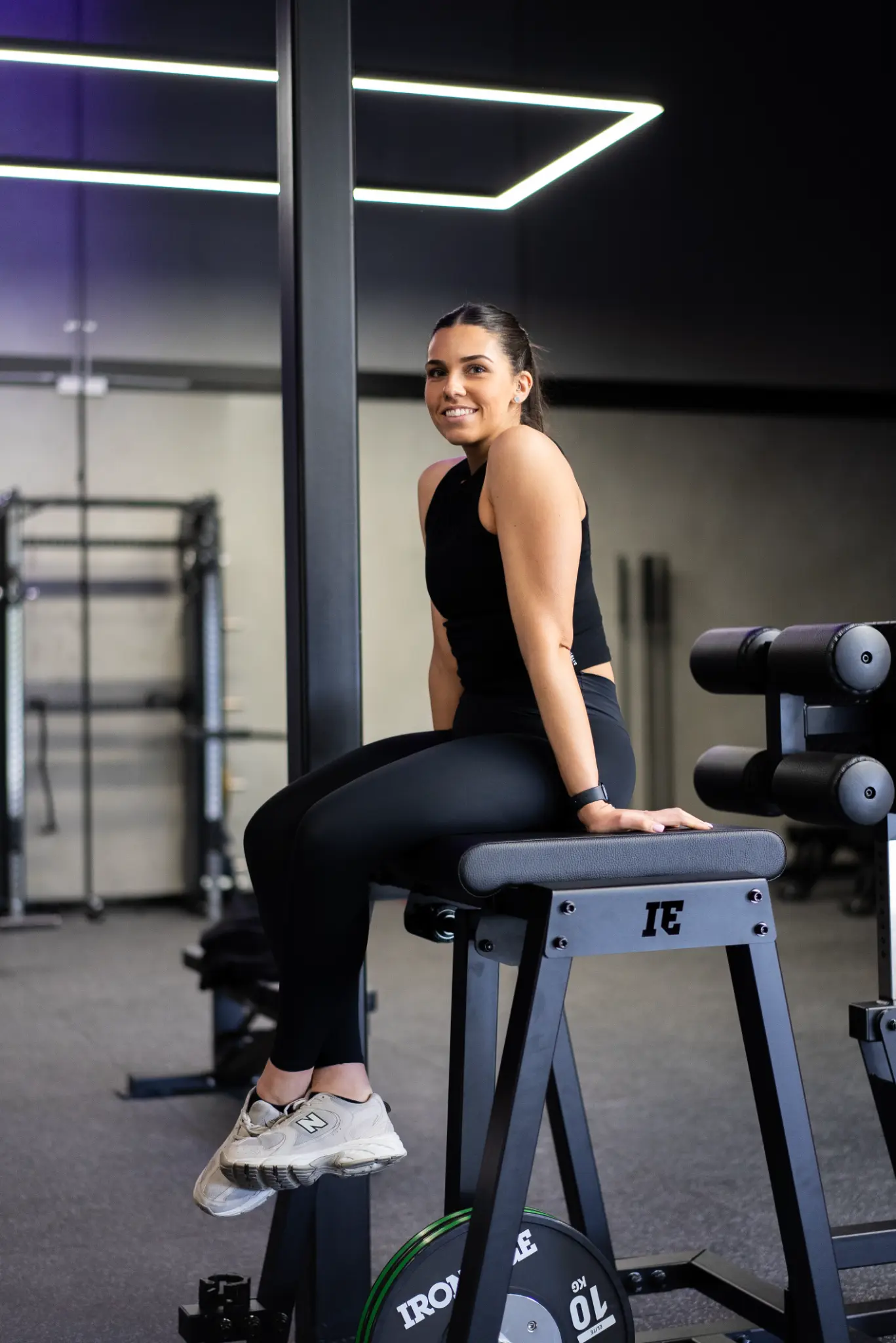
AEP · Exercise Scientist · Myotherapist
Emily is an Accredited Exercise Physiologist, Exercise Scientist and Myotherapist. Triple-qualified, she bridges hands-on therapy and structured exercise rehab. Specialises in chronic conditions, musculoskeletal rehab, and clinical exercise prescription.
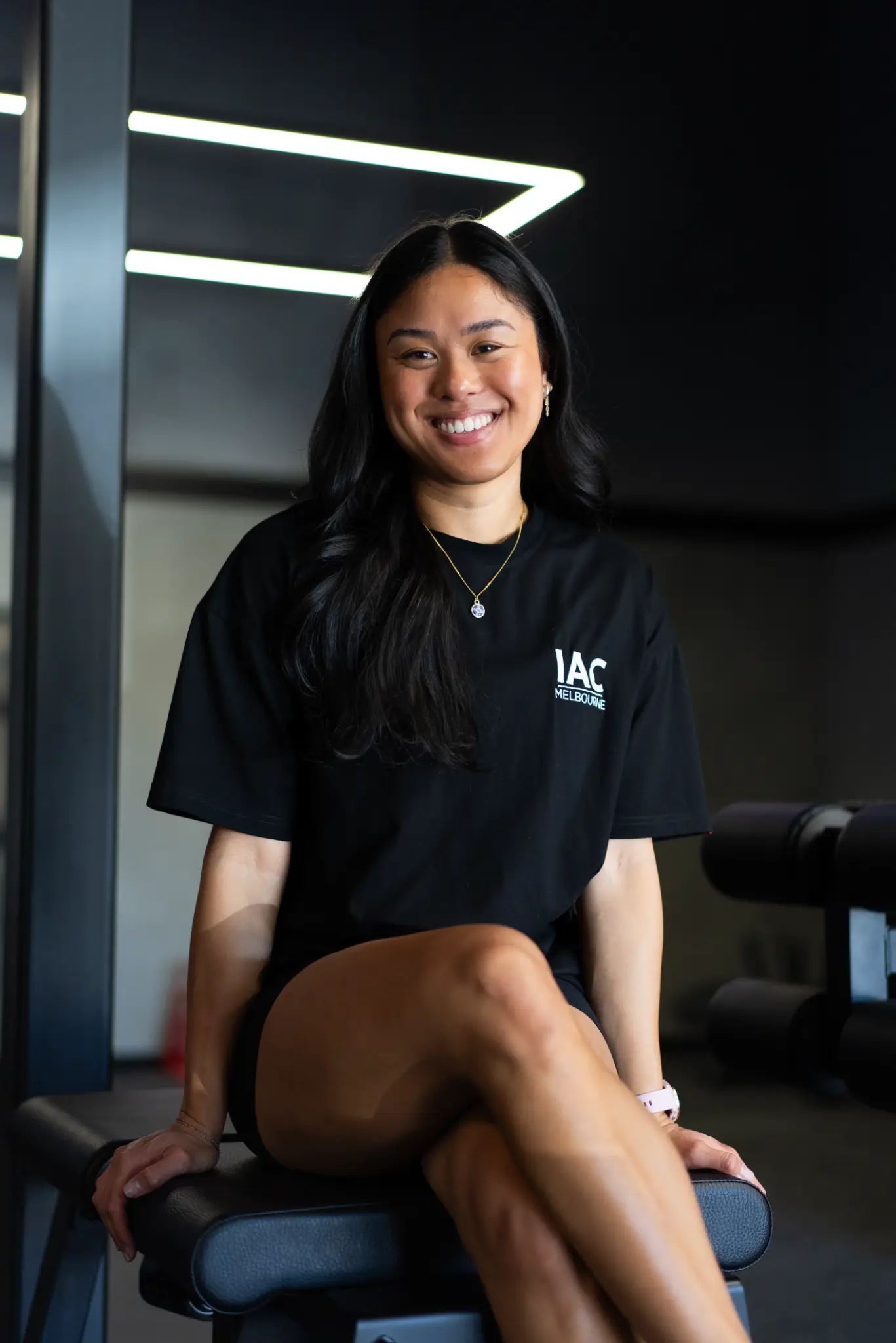
Osteopath
Danielle brings a warm, thorough approach to osteopathy. Her clinical interests are headaches and migraines, postural dysfunction, and sports injury rehab. Combines soft tissue therapy, joint mobilisation, and corrective exercise to deliver lasting relief.
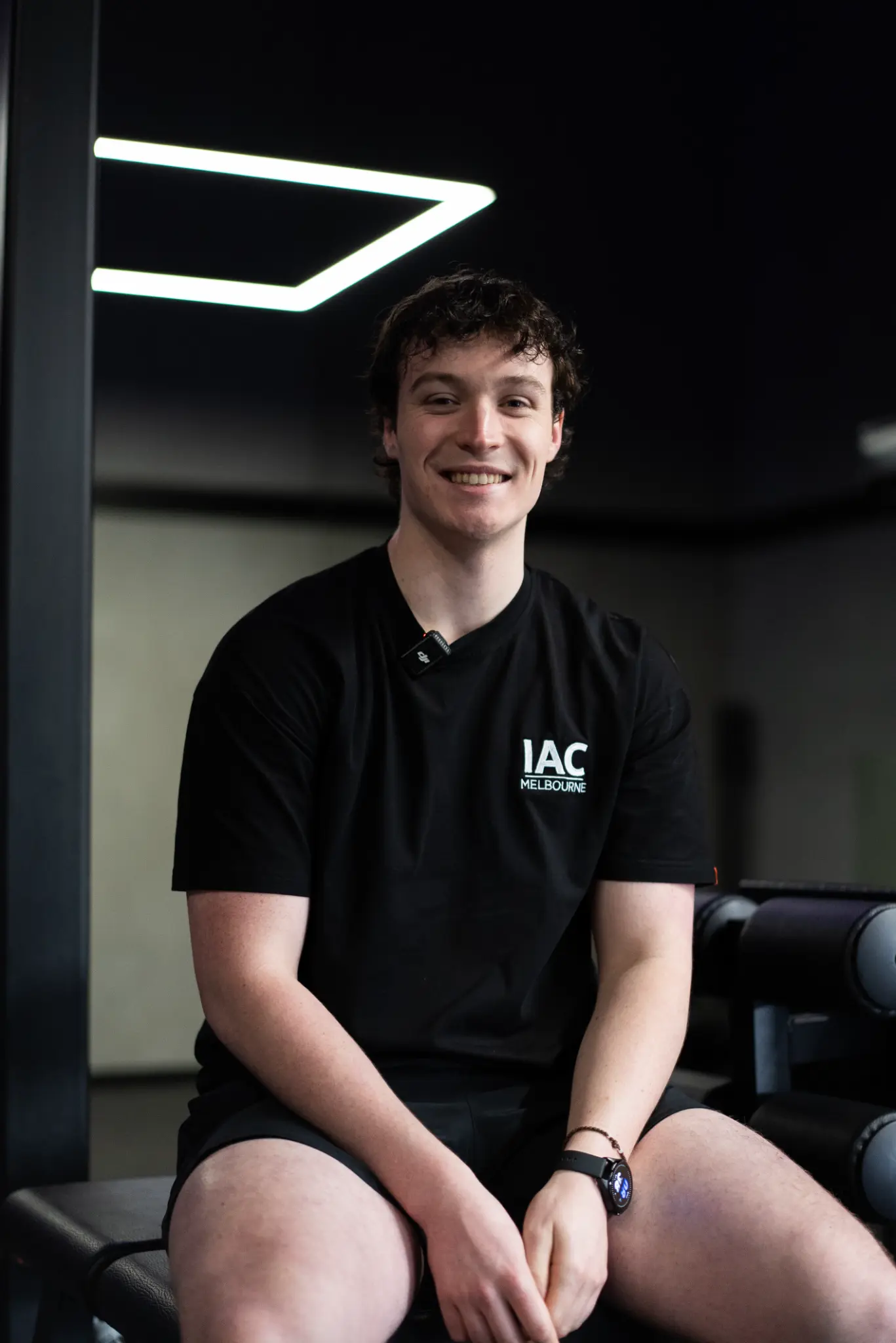
Exercise Scientist & Lead Coach
BSc Exercise Science
Sam holds a degree in Exercise Science and leads our gym programming. He delivers structured 1:1 and small-group sessions built around sound exercise science, adapted to each client's injury history and goals. Considering an MSc in Physiotherapy.
Patient Stories
Adam, on his training results at Injury Active Clinic
"Craig is amazing. My pain has decreased, my mobility has improved 10 fold, and my energy has increased, with a passion to get back into fitness. Seriously, I cannot recommend Craig highly enough."
"Hands down the best osteo and myo I've seen. Their treatment approach is genuinely unique, focusing on whole-body health rather than just chasing the symptoms."
"Emily is incredibly knowledgeable and takes the time to explain everything. The programme she designed for me has been really well structured and easy to follow."
Book Your Assessment
Don't keep managing back pain with rest and hoping it improves. Our Pain & Movement Assessment gives you a clear diagnosis, a personalised treatment plan, and a recovery strategy, so you know exactly what's wrong and how to address it.
Book a Pain & Movement Assessment01
A thorough assessment identifying the root cause of your back pain, not just the symptoms.
02
A personalised treatment plan with realistic timelines and the right combination of hands-on care and exercise.
03
A structured recovery plan so you return to full activity stronger and with a lower risk of re-injury.
Back pain often occurs alongside or leads to other conditions. We treat these too.
Newsletter
Pain management, strength training, and recovery insights from the IAC team. One email a week. No spam.
By subscribing you agree to receive emails from Injury Active Clinic. Unsubscribe anytime.