

★★★★★
"Craig is amazing. My pain has decreased, my mobility has improved 10 fold, and my energy has increased, with a passion to get back into fitness. Seriously, I cannot recommend Craig highly enough."
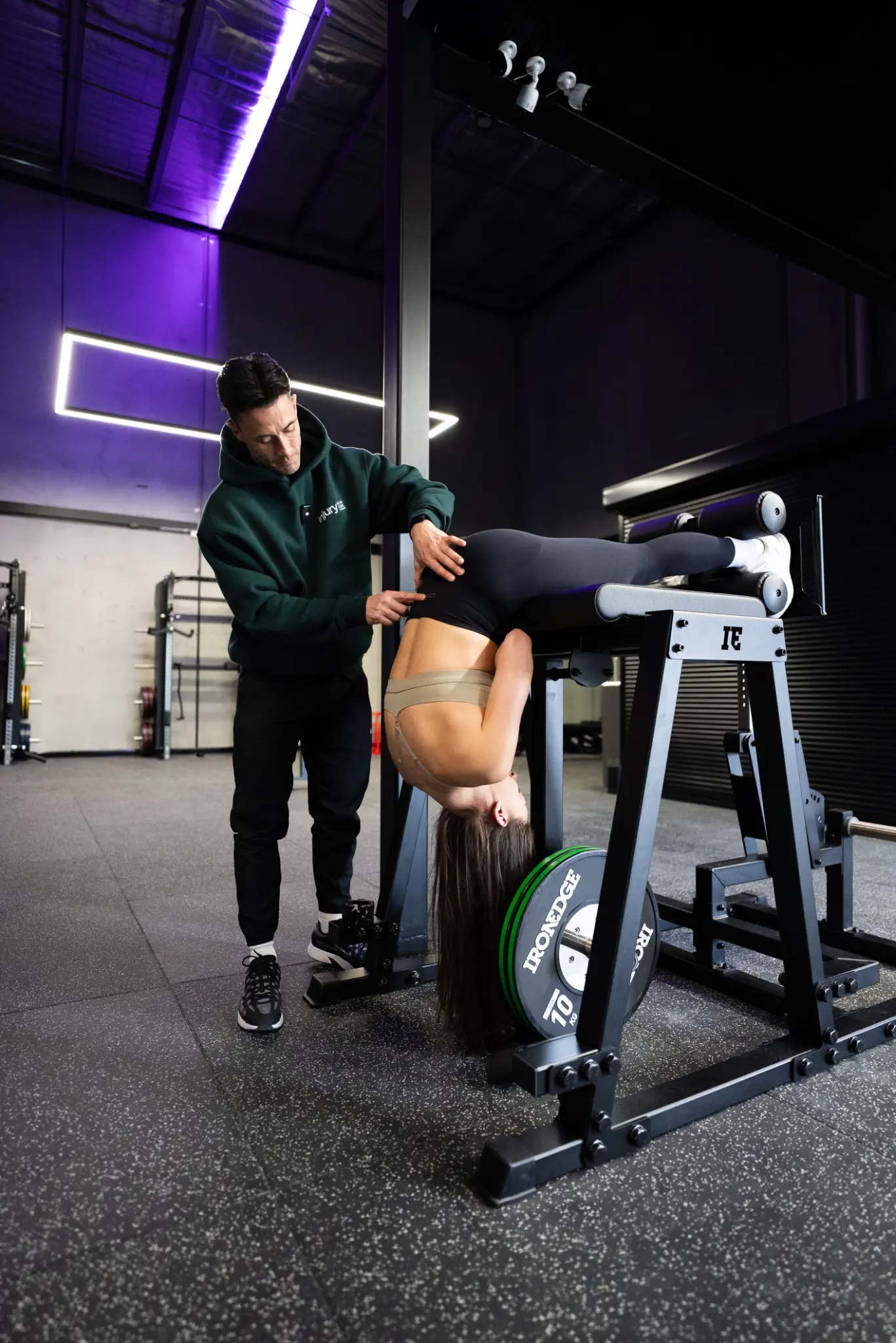
Sciatica Treatment Melbourne
Shooting pain, tingling, and numbness from your lower back to your leg. We find the cause and treat it, not just the symptoms.
Recognising Sciatica
Sciatica is characterised by pain that follows the path of the sciatic nerve, the longest nerve in the body, running from the lower back through the buttock and down each leg. Symptoms vary depending on which part of the nerve is compressed and how severely.
Our Approach
Neural mobilisation, manual therapy, and targeted exercise to reduce nerve compression and restore pain-free movement.
Learn more →
Hands-on treatment of the spine, pelvis, and surrounding structures to relieve pressure on the sciatic nerve.
Learn more →
Trigger point therapy and soft tissue release targeting the piriformis and gluteal muscles that commonly compress the sciatic nerve.
Learn more →
Supervised rehabilitation and progressive loading to build spinal and hip strength, reducing the risk of sciatic nerve compression recurring.
Learn more →
Our Locations
Four Melbourne clinics, Melbourne's west, inner west, and CBD.
Local Sciatica Treatment
Expert sciatica treatment across Melbourne's west and inner suburbs.
Our Ravenhall clinic at 38 Panamax Rd is our primary location for sciatica treatment in Melbourne's west. Serving patients from Ravenhall, Caroline Springs, Derrimut, and Taylors Hill, our physiotherapists and osteopaths are experienced in diagnosing and treating sciatic nerve pain, from disc-related sciatica to piriformis syndrome, using evidence-based manual therapy and exercise rehabilitation.
Common searches: sciatica treatment Ravenhall, sciatica physio Caroline Springs, sciatic nerve pain Melbourne west, sciatica clinic Ravenhall.
Book at RavenhallOur Ravenhall clinic at 38 Panamax Rd is a 5-minute drive from Caroline Springs, treating sciatic nerve pain with physiotherapy, osteopathy and exercise physiology under one roof.
Common searches: sciatica treatment caroline springs, sciatica clinic caroline springs.
Book at RavenhallOur Altona osteopaths and myotherapists at 22 Reserve Court treat sciatica for patients from Altona, Newport, Williamstown, and Spotswood. Osteopathy is particularly effective for sciatica caused by joint dysfunction or pelvic alignment, while myotherapy addresses the muscular components.
Common searches: sciatica osteopath Altona, sciatica treatment Newport, sciatic nerve pain Williamstown, sciatica clinic Altona.
Book at AltonaOur Melbourne CBD clinic is coming soon, bringing expert sciatica treatment to office workers and city residents across the Melbourne CBD, Docklands, and Southbank.
Common searches: sciatica physio Melbourne CBD, sciatica osteopath Melbourne city, sciatic nerve pain CBD.
Join the CBD WaitlistFAQs

Founder
Founder & Head Myotherapist
BSc Hons Sports Therapy, Adv Dip Myo
Craig founded Injury Active Clinic in the UK in 2013 and brought his unique approach to Melbourne in 2022. 18 years of experience treating sports and lifestyle-related injuries, integrating physical therapy with fitness coaching to deliver lasting results.

Exercise Physiologist & Myotherapist
AEP · Exercise Scientist · Myotherapist
Emily is an Accredited Exercise Physiologist, Exercise Scientist and Myotherapist. Triple-qualified, she bridges hands-on therapy and structured exercise rehab. Specialises in chronic conditions, musculoskeletal rehab, and clinical exercise prescription.

Osteopath
Danielle brings a warm, thorough approach to osteopathy. Her clinical interests are headaches and migraines, postural dysfunction, and sports injury rehab. Combines soft tissue therapy, joint mobilisation, and corrective exercise to deliver lasting relief.
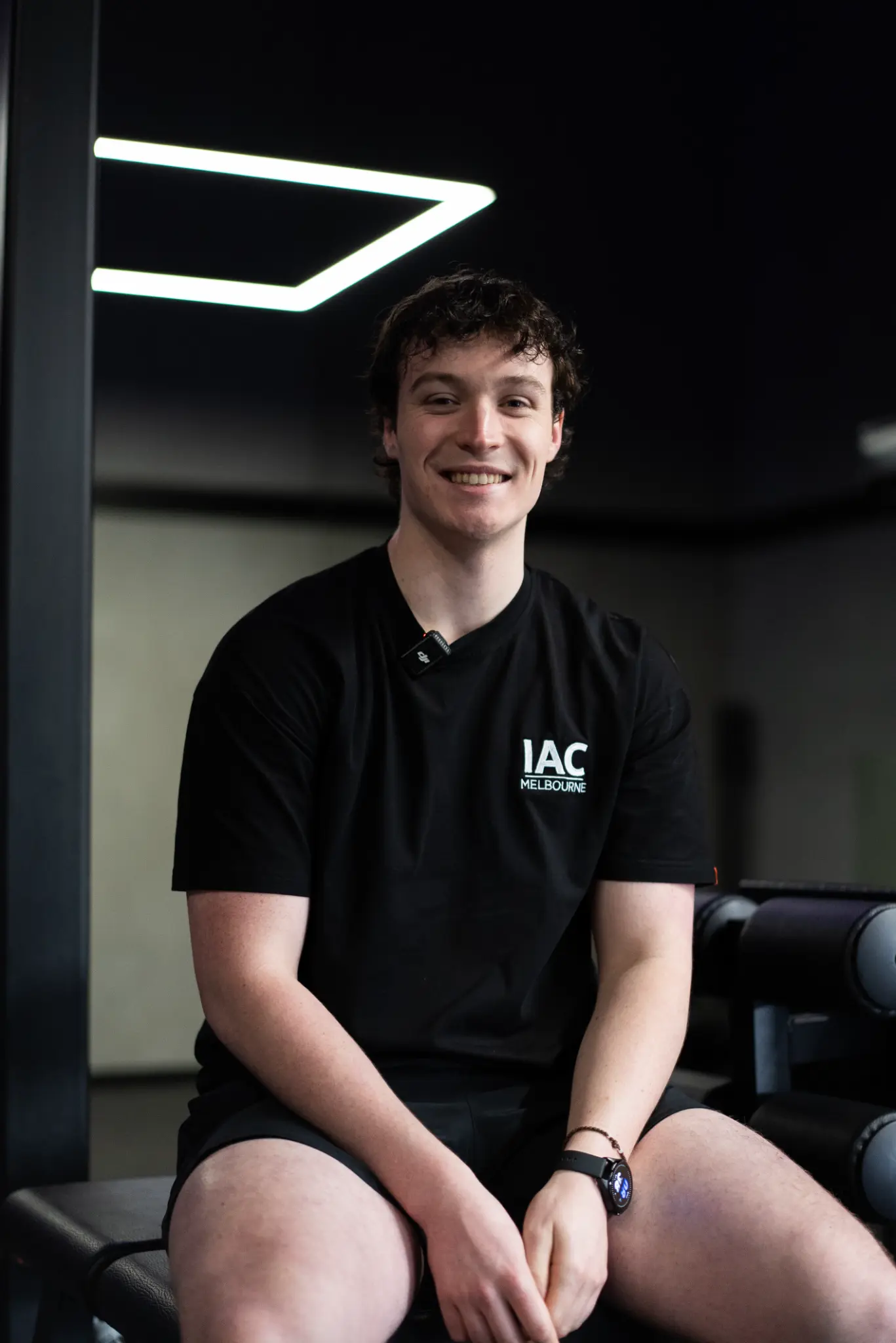
Exercise Scientist & Lead Coach
BSc Exercise Science
Sam holds a degree in Exercise Science and leads our gym programming. He delivers structured 1:1 and small-group sessions built around sound exercise science, adapted to each client's injury history and goals. Considering an MSc in Physiotherapy.
Patient Stories
"Craig is amazing. My pain has decreased, my mobility has improved 10 fold, and my energy has increased, with a passion to get back into fitness. Seriously, I cannot recommend Craig highly enough."
"Hands down the best osteo and myo I've seen. Their treatment approach is genuinely unique, focusing on whole-body health rather than just chasing the symptoms."
"Emily is incredibly knowledgeable and takes the time to explain everything. The programme she designed for me has been really well structured and easy to follow."
Book Your Assessment
Don't keep managing it with rest and hoping it improves. Our Pain & Movement Assessment gives you a clear diagnosis, a personalised treatment plan, and a recovery strategy, so you know exactly what's wrong and how to address it.
Book a Pain & Movement Assessment01
A thorough assessment identifying the root cause of your symptoms, not just the symptoms themselves.
02
A personalised treatment plan with realistic timelines and the right combination of hands-on care and exercise.
03
A structured recovery plan so you return to full activity stronger and with a lower risk of re-injury.
We also treat these related conditions across all our Melbourne clinics.
Newsletter
Pain management, strength training, and recovery insights from the IAC team. One email a week. No spam.
By subscribing you agree to receive emails from Injury Active Clinic. Unsubscribe anytime.