Book same-day appointments ·
Call (03) 7057 7284
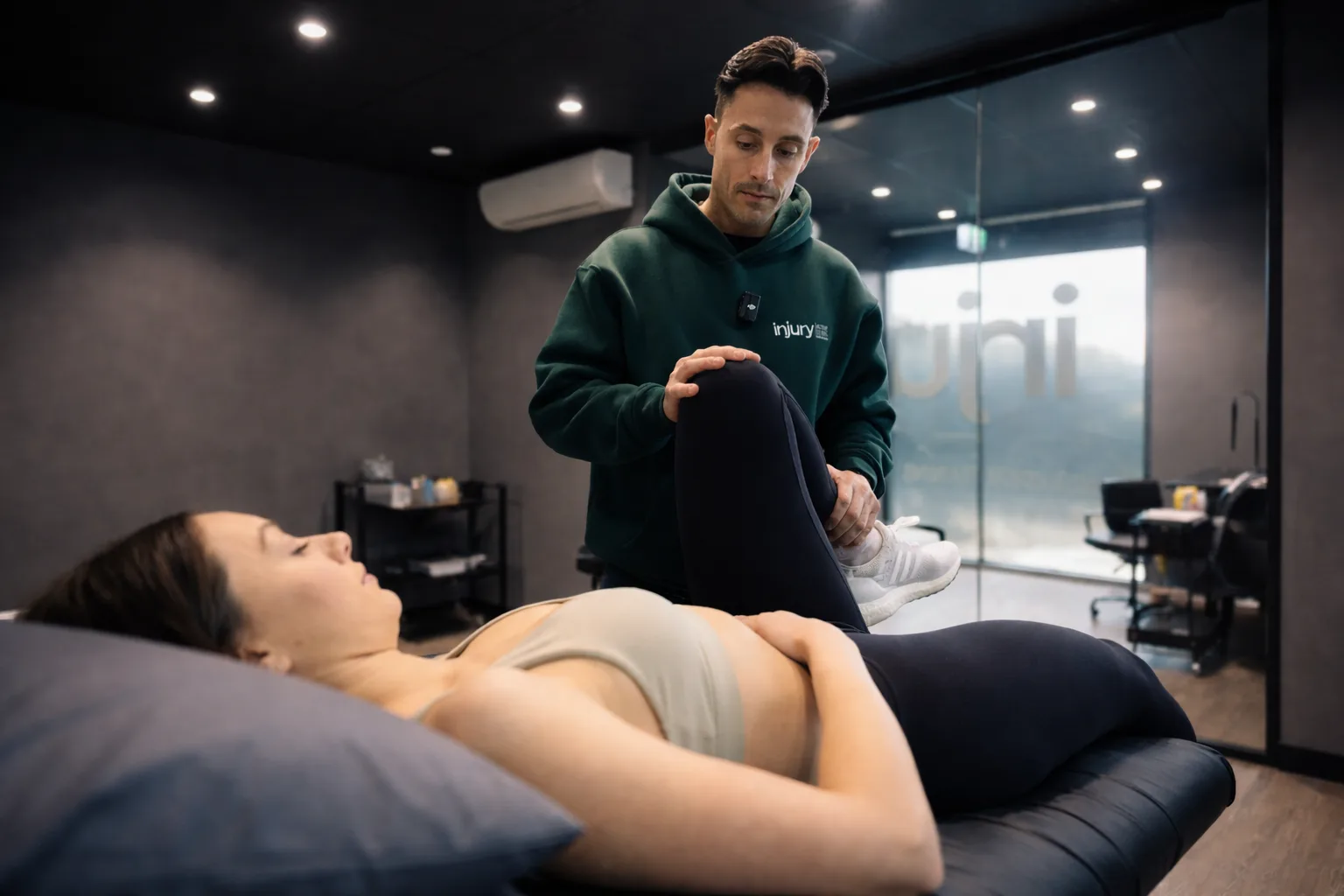
Hip Pain Treatment Melbourne
Assessment and treatment for hip bursitis, hip osteoarthritis, gluteal tendinopathy, hip flexor injuries, and more.
Why Choose Injury Active
Hip pain is one of the most common musculoskeletal complaints in Melbourne, affecting people of all ages, from active young adults with hip flexor strains to older adults managing hip osteoarthritis.
At Injury Active Clinic, we take a thorough, evidence-based approach to hip pain diagnosis and treatment. Our multi-disciplinary team of physiotherapists, osteopaths, myotherapists, and exercise physiologists work together to identify the root cause of your hip pain and build a personalised treatment plan that addresses it, not just the symptoms.
Common Causes
Hip pain has many possible causes. Accurate diagnosis is the first step to effective treatment.
Inflammation of the bursa (fluid-filled sac) over the greater trochanter, causing lateral hip pain that worsens with walking, climbing stairs, or lying on the affected side.
Degeneration or irritation of the gluteal tendons, producing deep lateral hip pain that is aggravated by prolonged sitting, crossing legs, or single-leg activities.
Age-related degeneration of the hip joint cartilage, causing groin pain, stiffness, and reduced range of motion, particularly in the morning or after prolonged sitting.
Overstretching or tearing of the hip flexor muscles (iliopsoas, rectus femoris), causing anterior hip or groin pain that worsens with walking, running, or lifting the knee.
Tearing of the cartilage ring (labrum) around the hip socket, producing deep groin pain, clicking, or a feeling of instability, often associated with FAI.
Hip pain that originates from the lumbar spine or sacroiliac joint, often mimicking true hip pathology. Accurate diagnosis is essential to ensure the right treatment.
Treatment Options
Our multi-disciplinary approach means you get the right treatment for your specific hip condition.
Manual therapy, dry needling, and progressive rehabilitation to restore hip movement and strength.
Learn more →
Whole-body hands-on treatment addressing hip joint mechanics, spinal alignment, and muscle balance.
Learn more →
Trigger point therapy, cupping, and soft tissue release for hip muscle tension and referred pain.
Learn more →
Supervised progressive loading programmes to build hip strength and lower the risk of recurrence.
Learn more →
Our Locations
Two clinics in Melbourne's west and inner west, Ravenhall and Altona. A City clinic is planned for 2027 and isn't open yet.
Local Hip Pain Treatment
Hip pain treatment across Melbourne's west and inner west.
Our Ravenhall clinic at 38 Panamax Rd is our flagship location for hip pain treatment in Melbourne's west. Serving patients from Ravenhall, Caroline Springs, Derrimut, and Taylors Hill, our team of physiotherapists, osteopaths, and exercise physiologists treat hip bursitis, hip osteoarthritis, gluteal tendinopathy, and hip flexor injuries, with an on-site rehabilitation gym for progressive loading and long-term recovery.
Common searches: hip pain physio Ravenhall, hip pain osteopath Caroline Springs, hip bursitis treatment Melbourne west, hip pain clinic Ravenhall.
Book at RavenhallOur Ravenhall clinic at 38 Panamax Rd is a 5-minute drive from Caroline Springs, treating hip bursitis, hip osteoarthritis and gluteal tendinopathy with an on-site rehabilitation gym for progressive loading.
Common searches: hip pain treatment caroline springs, hip pain clinic caroline springs.
Book at RavenhallAt 22 Reserve Court Altona, our osteopaths and myotherapists treat hip pain for patients from Altona, Newport, Williamstown, and Spotswood. Our Altona practitioners are experienced in treating hip pain from a whole-body perspective, addressing spinal, pelvic, and hip joint mechanics that contribute to hip loading and pain.
Common searches: hip pain osteopath Altona, hip pain treatment Newport, hip bursitis Williamstown, hip pain clinic Altona.
Book at AltonaFAQs
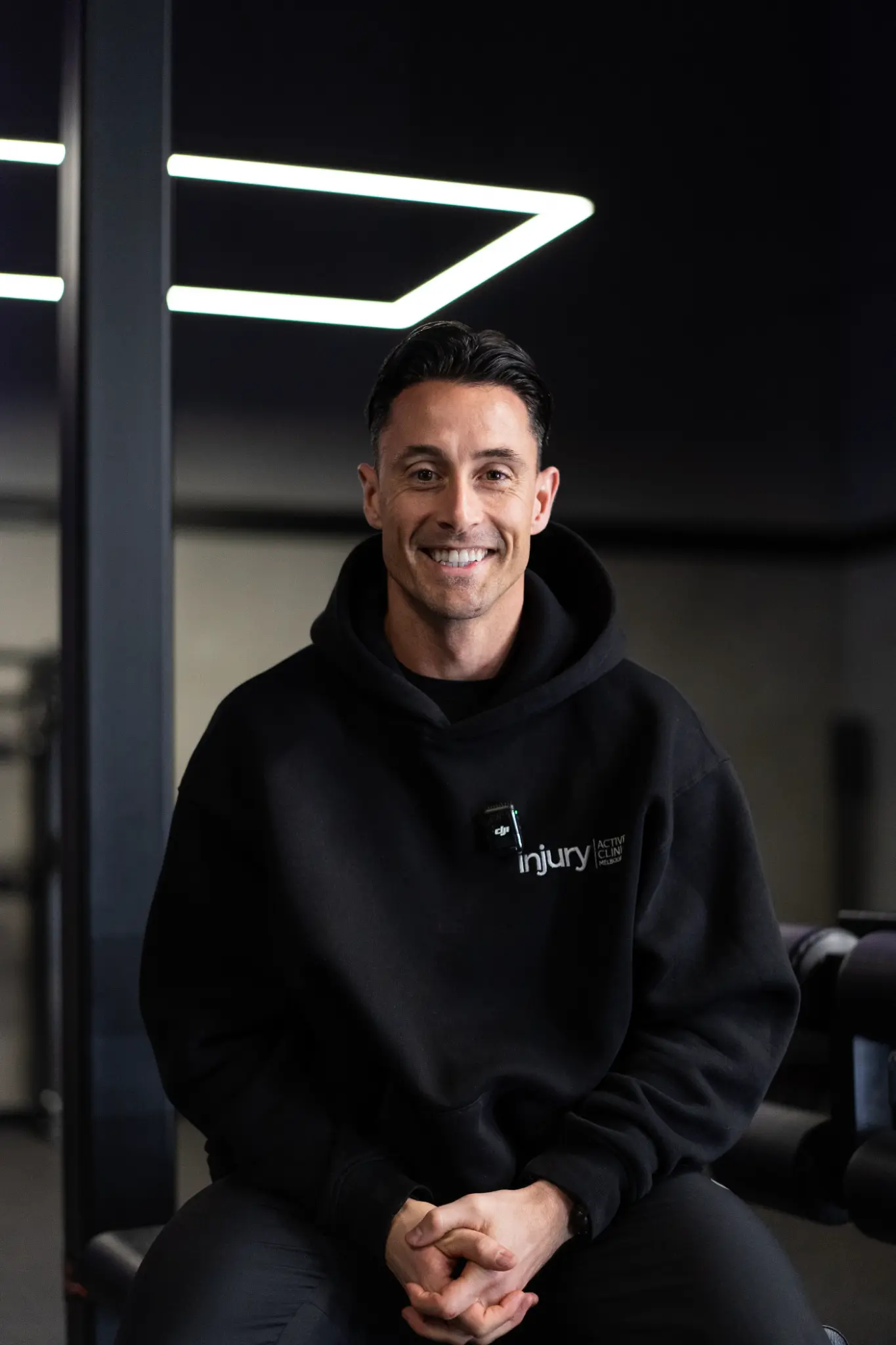
Founder
Founder & Head Myotherapist
BSc Hons Sports Therapy, Adv Dip Myo
Craig founded Injury Active Clinic in the UK in 2013 and brought his unique approach to Melbourne in 2022. 18 years of experience treating sports and lifestyle-related injuries, integrating physical therapy with fitness coaching.

Exercise Physiologist & Myotherapist
AEP · Exercise Scientist · Myotherapist
Emily is an Accredited Exercise Physiologist, Exercise Scientist and Myotherapist. Triple-qualified, she bridges hands-on therapy and structured exercise rehab. Focuses on chronic conditions, musculoskeletal rehab, and clinical exercise prescription.

Osteopath
Danielle brings a warm, thorough approach to osteopathy. Her clinical interests are headaches and migraines, postural dysfunction, and sports injury rehab. Combines soft tissue therapy, joint mobilisation, and corrective exercise.
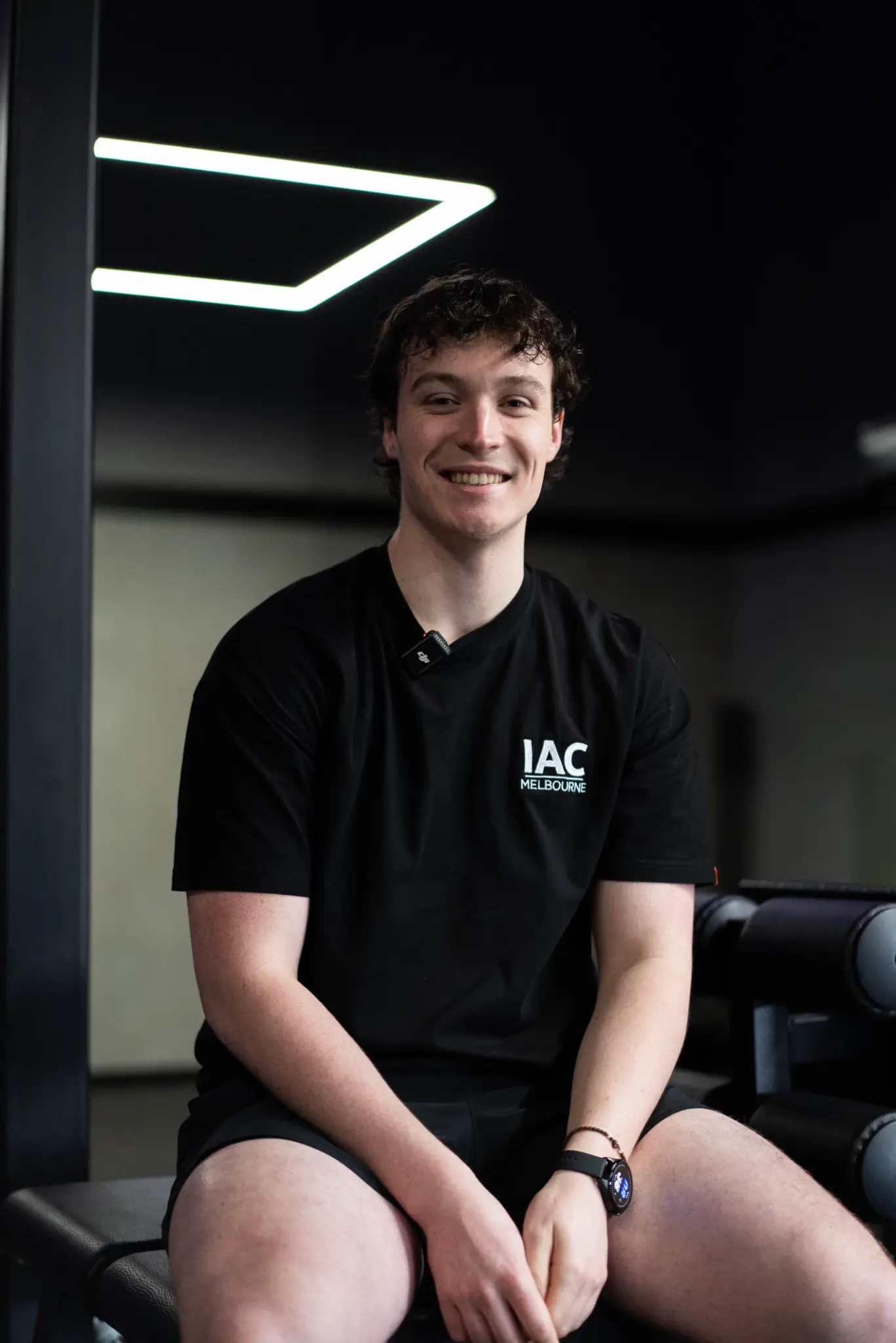
Exercise Scientist & Lead Coach
BSc Exercise Science
Sam holds a degree in Exercise Science and leads our gym programming. He delivers structured 1:1 and small-group sessions built around sound exercise science, adapted to each client's injury history and goals. Considering an MSc in Physiotherapy.
Google Reviews
Book Your Assessment
Don't keep managing it with rest and hoping it improves. Here's what happens at your first Pain & Movement Assessment.
Book a Pain & Movement Assessment01
We talk through your history, symptoms and goals, then assess your movement, strength and the structures most likely involved.
02
We explain what we think is going on, your treatment options, and a plan with realistic timelines. If you need imaging or a GP or specialist review, we'll tell you.
03
Hands-on treatment if it is appropriate, exercises to start with, and when we will review your progress.
We also treat these related conditions at our Ravenhall and Altona clinics.
Newsletter
Pain management, strength training, and recovery insights from the IAC team. One email a week. No spam.
By subscribing you agree to receive emails from Injury Active Clinic. Unsubscribe anytime.