

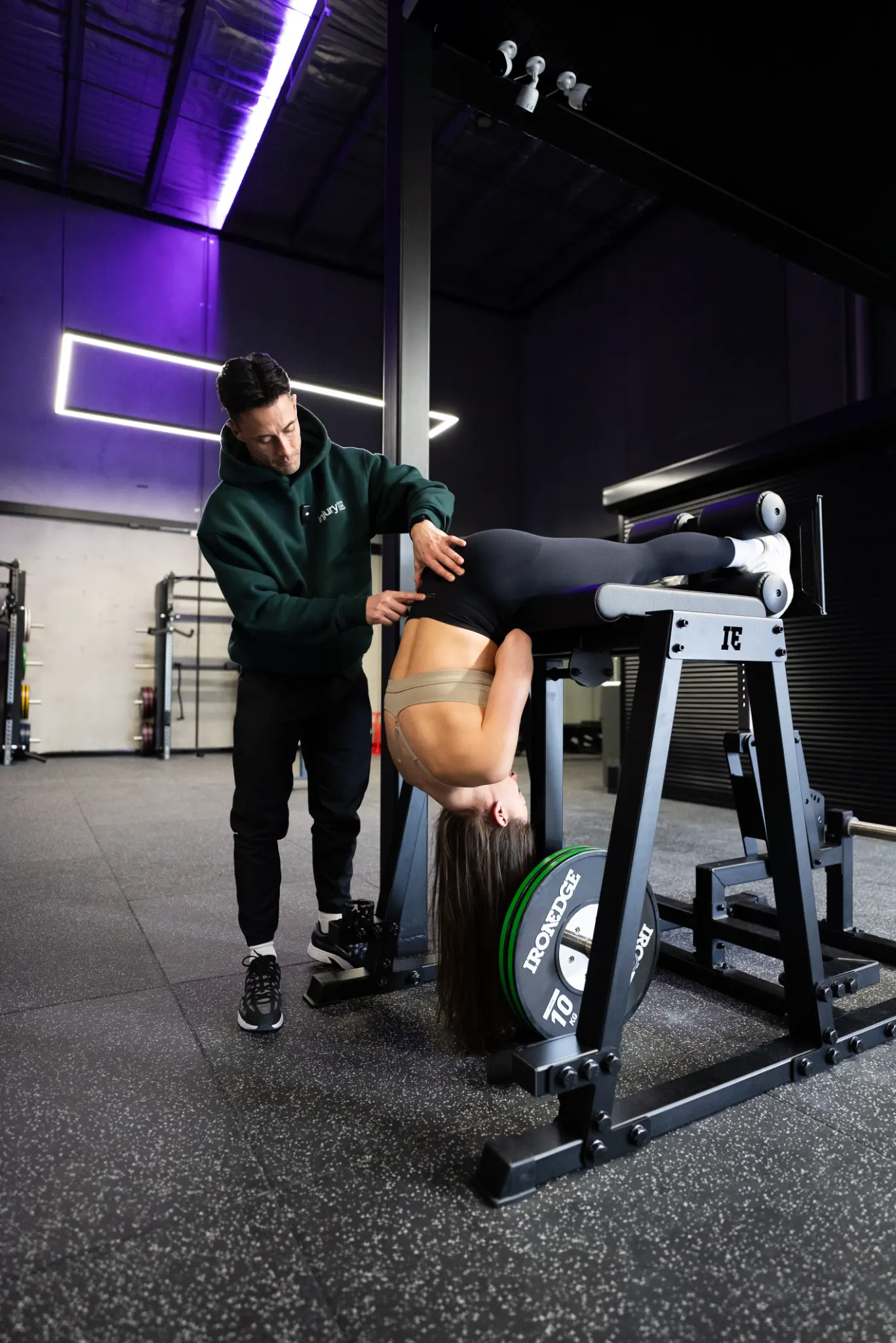
Sciatica is one of the most distinctive, and most debilitating, pain experiences a person can have. The sharp, burning, electric sensation that shoots from your lower back through your buttock and down your leg is unmistakable. For people across Melbourne's west, Caroline Springs, Derrimut, Ravenhall, Taylors Hill and the surrounding suburbs, finding effective local treatment is essential to getting back to normal life.
Our flagship clinic at 38 Panamax Road, Ravenhall offers physiotherapy, osteopathy, myotherapy and exercise physiology specifically for people dealing with sciatic nerve pain, under one roof, with an on-site rehabilitation gym. This article explains what sciatica actually is, why it keeps coming back for so many people, and what a proper treatment approach looks like.
Injury Active Clinic Ravenhall
38 Panamax Road, Ravenhall VIC 3023 · On-site rehabilitation gym
Serving Caroline Springs, Derrimut, Taylors Hill, Cairnlea, Burnside Heights, Deer Park and Melbourne's west.
What Is Sciatica, and What Causes It?
Sciatica is not a diagnosis in itself, it's a symptom. It describes pain that travels along the path of the sciatic nerve, which runs from the lower back through the buttock, down the back of the thigh, and into the lower leg and foot. The pain can range from a dull ache to a sharp, burning sensation, and is often accompanied by tingling, numbness, or weakness in the affected leg.
The most common cause is a lumbar disc herniation, where the soft inner material of a spinal disc bulges outward and presses on the nerve root that forms part of the sciatic nerve. This is particularly common at the L4 to L5 and L5 to S1 levels. However, disc problems are not the only cause. Other common contributors include:
Piriformis Syndrome
The piriformis muscle in the buttock runs directly over or through the sciatic nerve in many people. When this muscle becomes tight, inflamed, or in spasm, it can compress the nerve and produce classic sciatic symptoms.
Lumbar Stenosis
Narrowing of the spinal canal, often age-related, that reduces the space available for nerve roots, causing pain, heaviness, and weakness in the legs, particularly when walking.
Facet Joint Irritation
Inflamed or degenerated facet joints can refer pain into the buttock and thigh in a pattern that mimics sciatica, though it typically doesn't extend below the knee.
Sacroiliac Joint Dysfunction
The joint between the sacrum and the pelvis can become inflamed or hypermobile, producing buttock and leg pain that is often mistaken for disc-related sciatica.
The reason accurate diagnosis matters is that the treatment approach differs significantly depending on the cause. Piriformis syndrome responds very well to targeted soft tissue work and hip mobility exercises. Disc-related sciatica requires a different loading strategy. Treating the wrong structure, or applying the wrong technique, can make things worse, not better.
Sciatica is a symptom, not a diagnosis. The cause determines the treatment, and getting that right from the start is what separates a quick recovery from a chronic problem.
Why Sciatica Keeps Coming Back
One of the most frustrating aspects of sciatica is its tendency to recur. Many people experience a flare-up, rest until the pain subsides, and then return to normal activity, only to find the same pain returns weeks or months later, often triggered by something minor: a long drive, a day of gardening, or simply bending to pick something up.
This cycle happens because the underlying cause has not been addressed. If the disc that caused the initial episode is still under excessive load, due to poor movement patterns, weak stabilising muscles, or tight hip flexors from prolonged sitting, it remains vulnerable to re-injury. If the piriformis was the culprit, and nothing has been done to reduce its tension or improve hip mobility, it will continue to irritate the nerve.
Melbourne's west has some of the city's longest average daily commutes. Long drives, combined with desk-based work and limited time for exercise, create exactly the conditions in which sciatica thrives: tight hip flexors, weak glutes, compressed lumbar discs, and a nervous system that's been sensitised by repeated pain episodes. Addressing sciatica properly means addressing these contributing factors, not just waiting for the current flare-up to pass.
How We Treat Sciatica at Injury Active Clinic
Sciatica responds best to a combined approach: hands-on therapy to reduce pain and restore mobility, followed by structured exercise to rebuild the strength and resilience that prevents recurrence. Our Ravenhall clinic offers physiotherapy, osteopathy, myotherapy and exercise physiology, under one roof, so the right disciplines can be combined in a single, staged plan.
Physiotherapy & Osteopathy
For disc-related sciatica and more complex neurological presentations, our physiotherapists and osteopaths perform thorough assessments, neural tension testing, lumbar mobility, neurological screen, and use a combination of manual therapy, mobilisation and targeted exercise to settle nerve irritation. Their work is the cornerstone of recovery for more involved cases.
Myotherapy
Our myotherapists use trigger point therapy, dry needling, cupping, and deep tissue massage to address the muscular drivers of sciatic pain. For piriformis syndrome, targeted soft tissue work to the deep hip rotators can produce rapid, significant relief. For disc-related sciatica, myotherapy focuses on reducing the muscle guarding and spasm that amplifies nerve irritation and restricts recovery.
- Trigger point therapy for piriformis and hip rotators
- Dry needling for deep muscle release
- Soft tissue mobilisation of the lumbar spine and gluteal region
- Cupping for chronic muscular tension
Exercise Physiology
Once acute pain is under control, exercise physiology is the most important long-term intervention for sciatica. Our exercise physiologist designs progressive programmes that retrain the deep stabilising muscles of the spine, strengthen the glutes and hip complex, and gradually restore full function. The goal is not just to get you out of pain, it's to build a body that doesn't keep putting you back in it. Our on-site rehabilitation gym at Ravenhall makes that progression seamless.
- Lumbar stabilisation and core retraining
- Glute and hip strengthening to reduce disc load
- Neural mobilisation exercises for nerve mobility
- Progressive return to full activity and sport
What to Expect at Your First Appointment
Your first appointment at Injury Active Clinic begins with a thorough assessment. Your practitioner will take a detailed history of your symptoms, when they started, what makes them better or worse, whether you've had sciatica before, and what your daily activity and work life look like. This is followed by a physical examination that assesses your lumbar spine mobility, hip and pelvis function, neural tension, and the specific muscles and structures most likely contributing to your pain.
From there, you'll receive a clear explanation of what's driving your sciatica, a treatment plan with realistic timelines, and, if appropriate, hands-on treatment in the same session. Most patients leave their first appointment with a significantly better understanding of their condition and at least some immediate relief.
Frequently Asked Questions
Can sciatica resolve without surgery?
Yes, the vast majority of sciatica cases resolve with conservative treatment. Surgery is only required in a small minority of cases with significant neurological compromise. For most people, a combination of physiotherapy, osteopathy, myotherapy, exercise physiology and patient education is highly effective.
How long does sciatica take to heal?
Acute sciatica typically improves significantly within 4 to 8 weeks of appropriate treatment. Chronic sciatica may take longer, often 8 to 16 weeks, but the goal is always to address the underlying cause so the pain doesn't keep returning.
Should I avoid exercise if I have sciatica?
Not necessarily. Complete rest can actually make sciatica worse by allowing the stabilising muscles to weaken further. Your practitioner will guide you on what movements to avoid and what to keep doing during the acute phase, then progressively reintroduce activity as you improve.
Do I need a referral to see a physiotherapist, myotherapist, or exercise physiologist?
No referral is needed for private appointments. For Medicare CDM (Chronic Disease Management) plan-rebated exercise physiology, a GP referral is required.
Related conditions & services
Ready to move better?
Book an appointment with our team and let's get to the root cause of what's bothering you.