
Blog / Shoulder Pain
Shoulder Pain Treatment Melbourne West
Rotator cuff, frozen shoulder, impingement, treated under one roof.
March 2026 · 7 min read
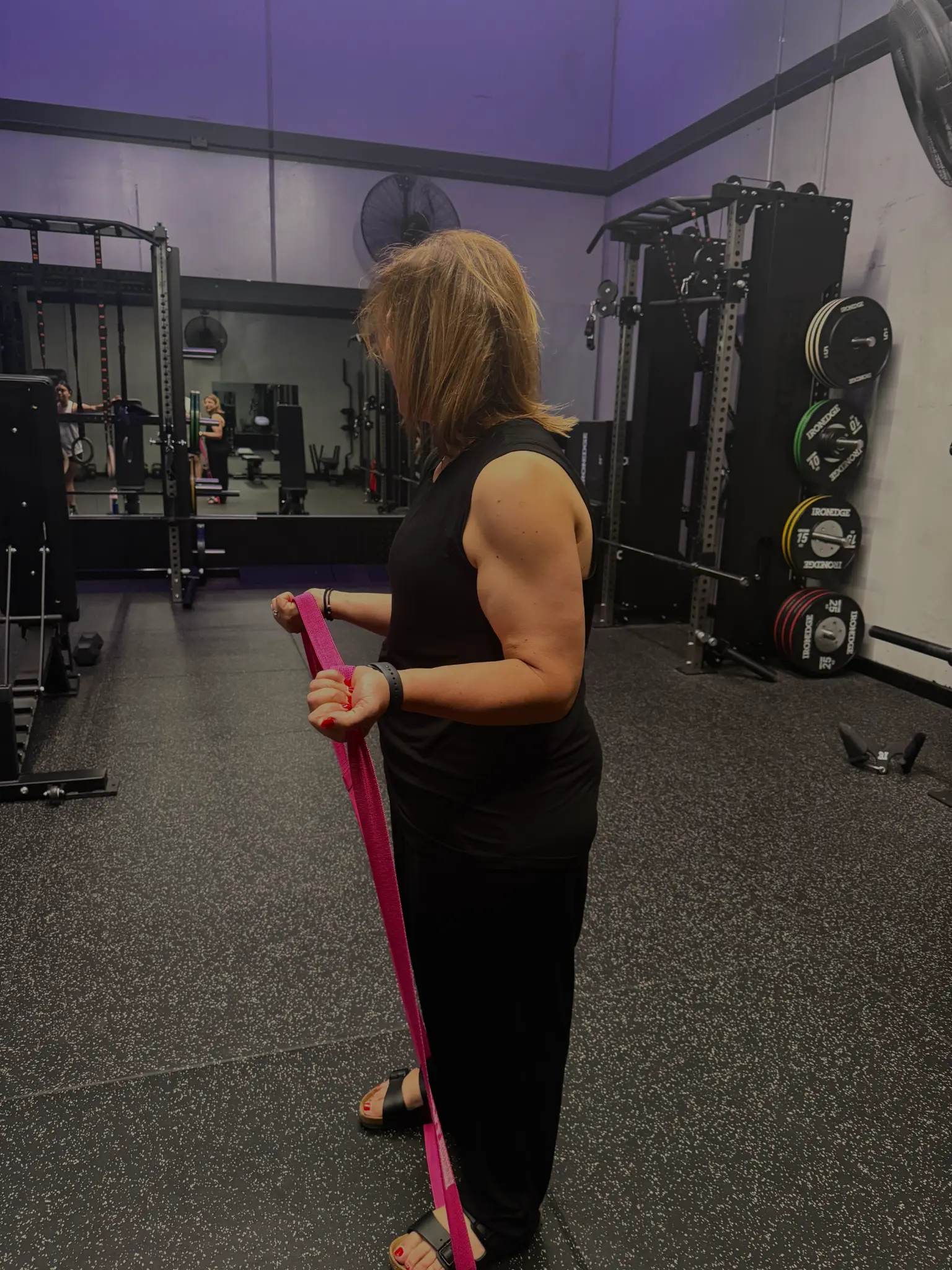
Shoulder pain is one of the most common reasons Australians seek allied health care, trailing only behind back and neck pain. Research shows that up to 70% of office workers will experience shoulder discomfort at some point in their careers,1 and over 700,000 Australians are currently affected by rotator cuff injuries alone.2 Whether it is a sharp pinch when reaching overhead, a dull ache that keeps you awake at night, or a sudden loss of mobility that stops you from lifting your arm, shoulder pain can severely impact your quality of life, at work, in the gym, and at home.
At Injury Active Clinic, we see a significant number of patients each year dealing with complex shoulder issues across our Ravenhall and Williamstown clinics. Because the shoulder is the most mobile joint in the human body, it is also one of the most vulnerable to injury. Understanding the root cause of your pain, rather than simply managing the symptoms, is the first and most critical step toward effective treatment and lasting recovery.
Shoulder pain is rarely a one-size-fits-all diagnosis. The joint relies on a delicate balance of muscles, tendons, ligaments, and bones working in perfect harmony. When one structure fails or becomes overloaded, pain and dysfunction quickly follow. The following are the most common shoulder conditions we treat across Melbourne's western suburbs.
The rotator cuff is a group of four muscles and their tendons that stabilise the shoulder joint and facilitate arm movement. Rotator cuff injuries account for approximately 80% of all shoulder complaints, making them the most prevalent shoulder condition in clinical practice.
These injuries range from mild tendinopathy, inflammation and irritation of the tendon, to partial or full-thickness tears. Age plays a significant role in rotator cuff health. Studies indicate that more than 50% of individuals over the age of 50 have either symptomatic or asymptomatic rotator cuff tears.2 This is largely due to natural, age-related degeneration of the tendons over time. However, younger adults are not immune, particularly those who engage in repetitive overhead sports, heavy lifting, or manual labour.
Symptoms typically include pain when lifting the arm, weakness in the shoulder, and a deep ache that worsens at night, especially when lying on the affected side.
Frozen shoulder is a condition characterised by progressive pain and stiffness. It occurs when the strong connective tissue surrounding the shoulder joint, the shoulder capsule, becomes inflamed, thickened, and tight, significantly restricting movement.
The condition typically progresses through three distinct stages. During the freezing stage, pain increases gradually and range of motion begins to decline; this phase can last from six weeks to nine months. In the frozen stage, pain may decrease slightly but stiffness becomes severe, making everyday tasks such as dressing, driving, and reaching difficult; this stage typically lasts four to six months. Finally, in the thawing stage, shoulder mobility slowly begins to return, though complete recovery can take anywhere from six months to two years.
Frozen shoulder is more common in women, individuals over 40, and those with systemic conditions such as diabetes or thyroid disorders. Early treatment is important, the sooner you begin, the better your chances of shortening the overall duration of the condition.
A common mistake people make is waiting too long before seeking professional help. Many patients arrive at our clinics having managed their shoulder pain with rest, anti-inflammatories, or self-directed stretching for weeks or even months, only to find the problem has worsened or become chronic.
You should book an assessment if any of the following apply:
Effective shoulder pain treatment requires more than generic exercises or temporary pain relief. At Injury Active Clinic, we take a multi-disciplinary approach to ensure we address both the symptoms and the underlying biomechanical causes.
Physiotherapy is widely considered the first-line treatment for most shoulder conditions. For rotator cuff injuries, conservative management through physiotherapy and structured exercise boasts an 80 to 90% success rate for partial tears. A 2024 systematic review found that structured physiotherapy programs were as effective as surgery for most rotator cuff tears at two-year follow-up, with significantly lower complication rates.
Shoulder pain is rarely an isolated issue. The function of the shoulder is heavily dependent on the alignment and mobility of the neck and upper back. Osteopathy takes a holistic view of your body's mechanics, looking beyond the site of pain to understand how the whole system is contributing to your symptoms.
Tight, overactive muscles can severely restrict shoulder movement and perpetuate pain. For shoulder conditions, myotherapists frequently target the upper trapezius, pectoral muscles, and the deep muscles of the rotator cuff using deep tissue massage, myofascial release, cupping, and trigger point dry needling.
Once the acute pain has settled, the focus shifts to building long-term strength and resilience. Our accredited exercise physiologist designs clinical, individualised strength and conditioning programs tailored to your specific injury, history, and goals, ensuring your shoulder can handle the demands of your lifestyle.
Injury Active Clinic provides expert shoulder pain treatment at three convenient locations in Melbourne's west and inner west.
Caroline Springs, Derrimut, Taylors Hill, Cairnlea, Kings Park
Hoppers Crossing, Werribee, Point Cook, Wyndham Vale
Navigating shoulder pain can be deeply frustrating, especially when treatments fail to provide lasting relief. At Injury Active Clinic, our philosophy is straightforward: We find the cause. We fix the problem. We keep it away.
By housing physiotherapy, osteopathy, myotherapy, and exercise physiology under one roof, we provide a truly integrated approach to recovery. Our team collaborates closely to ensure every aspect of your rehabilitation is aligned, from the initial diagnosis through to full return to sport, work, or everyday life.
If you are dealing with a rotator cuff injury, frozen shoulder, or persistent shoulder pain, do not wait for it to become a chronic issue. Early intervention is the key to avoiding surgery and getting back to the activities you love.
Book a Pain & Movement Assessment at our Ravenhall or Williamstown clinic today. Same-day appointments available.
Related conditions & services
Ready to move better?
Book an appointment with our team and let's get to the root cause of what's bothering you.