

Blog / Pain Science
Why Rest Is the Wrong Advice for Chronic Pain (And What Works Instead)
How modern pain science proves movement is your best medicine
June 2026 · 7 min read
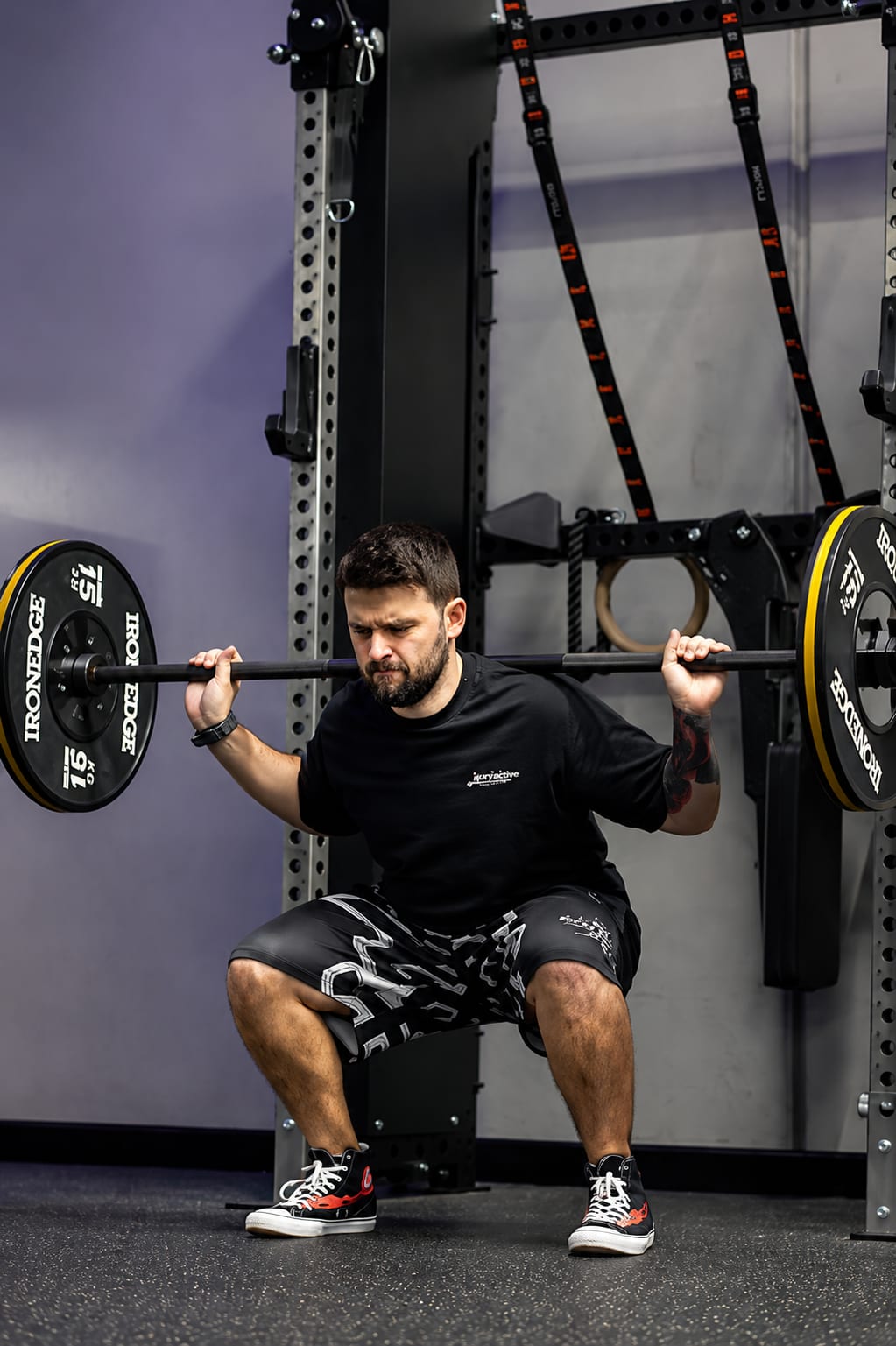
If you're living with chronic pain, you've probably heard conflicting advice. Rest it. Ice it. Don't move until it stops hurting. But here's what modern pain science actually tells us: for most chronic pain conditions, exercise is more effective than rest.
This isn't just opinion. It's backed by decades of research showing that progressive loading and movement-based rehabilitation consistently outperform passive treatments and rest for conditions from chronic back pain to tendinopathy.
The Old Model vs The Evidence
Twenty years ago, bed rest was standard treatment for back pain. Doctors prescribed weeks of lying down, assuming the body needed complete stillness to heal.
Then the evidence started mounting. Malmivaara and colleagues (1995) compared bed rest, ordinary activity, and back exercises for acute low back pain. The results? Patients who stayed active recovered faster than those on bed rest. Those prescribed two days of bed rest actually had worse outcomes than those who maintained normal activities.
This finding has been replicated across hundreds of studies. The pattern is consistent: motion is medicine, and excessive rest often makes things worse.
At IAC, this is fundamental to our approach. We find the cause. We fix the problem. We keep it away. That process almost always involves getting you moving, not stopping you from moving.
Understanding Fear Avoidance and Deconditioning
When pain strikes, your brain's alarm system fires. The natural response? Protect the area. Don't move it. Wait for the danger to pass.
This protective response makes perfect sense for acute injuries. Sprain your ankle badly enough, and a few days of relative rest helps the initial healing. But when pain persists beyond normal tissue healing times, typically three to six months, this protective strategy backfires.
Fear avoidance develops when we become afraid of movements that might cause pain. We stop bending. We avoid lifting. We 'protect' our backs or knees or shoulders.
Here's the problem: avoiding movement leads to deconditioning. Muscles weaken. Joints stiffen. Your cardiovascular fitness drops. Your nervous system becomes more sensitive, not less. The very movements you need for recovery become harder and scarier.
This is why our multidisciplinary team at IAC focuses on breaking this cycle. Our physiotherapists and osteopaths help you understand that pain doesn't equal damage. Our exercise physiologists then guide you through progressive loading that rebuilds capacity without flaring your symptoms.
The Evidence for Progressive Loading
Progressive loading means gradually increasing the demands on your body in a structured, systematic way. It's not about pushing through severe pain. It's about finding the right entry point and building from there.
Take tendinopathy as an example. For years, complete rest was prescribed for painful tendons. Now? The research is unanimous: progressive loading is the gold standard treatment.
Beyer and colleagues (2015) compared heavy slow resistance training to eccentric training for Achilles tendinopathy. Both exercise approaches significantly outperformed wait and see approaches. Patients didn't just get less pain. They got stronger, more resilient tendons.
The same principle applies across conditions. Whether it's osteoarthritis, chronic back pain, or shoulder impingement, the evidence points the same direction: appropriate exercise beats passive treatment.
Why Strength Training IS Rehabilitation
Here's something that surprises many patients: strength and conditioning isn't separate from rehabilitation. It IS rehabilitation.
When you progressively load tissues, several things happen:
- Tendons remodel and strengthen
- Muscles hypertrophy and become more fatigue resistant
- Bones increase in density
- Cartilage adapts to load
- Your nervous system recalibrates its threat detection
This is why IAC integrates hands on treatment with active rehabilitation. Our Ravenhall clinic has our rehab gym in the same building, because strength and conditioning isn't an add on to treatment. It's central to it.
Our clinicians often explain it this way: manual therapy can help reduce pain and improve movement in the short term, but it's the progressive loading that creates lasting change.
Starting When You're Scared to Move
"But every time I try to exercise, I flare up."
We hear this daily. The key isn't to avoid exercise. It's to find your entry point.
This might mean starting with isometric exercises (muscle contraction without movement). Or pool exercises where buoyancy reduces load. Or simply walking for five minutes when you've been avoiding all activity.
Emily Gray, our triple qualified practitioner (Exercise Physiologist, Exercise Scientist, and Myotherapist), specialises in finding these entry points. She understands both the hands on techniques to settle symptoms AND the exercise prescription to build resilience.
The process looks like this:
- Start below your flare up threshold
- Progress load gradually (often just 10% per week)
- Monitor response over 24 to 48 hours
- Adjust based on your body's feedback
- Build confidence alongside capacity
This isn't about being tough or pushing through pain. It's about strategic, graduated exposure that shows your nervous system that movement is safe.
The Research on Specific Conditions
Chronic Low Back Pain: A landmark review by Hayden and colleagues (2005) analysed 61 randomised controlled trials. Exercise therapy was consistently more effective than usual GP care or passive modalities. The most effective programs? Those combining strength training with motor control work.
Knee Osteoarthritis: Exercise provides similar pain relief to NSAIDs, but with additional benefits: improved function, better balance, reduced fall risk, and no medication side effects. The key is progressive strengthening of the quadriceps and hip muscles.
Chronic Neck Pain: Strengthening exercises for the neck and shoulder muscles consistently outperform passive treatments. The evidence shows that combining manual therapy with specific exercises produces better outcomes than either approach alone.
Tendinopathies: Whether it's tennis elbow, jumper's knee, or Achilles tendinopathy, progressive loading is the intervention with the strongest evidence base. Rest might reduce pain temporarily, but it doesn't address the underlying capacity deficit.
Making the Shift from Passive to Active
Changing your approach to chronic pain isn't easy. You've likely been told to rest. You might have had treatments done 'to' you rather than learning what to do yourself.
But here's what we know: passive treatments alone rarely resolve chronic pain. The evidence consistently shows that active approaches, where you're the key player in your recovery, produce better long term outcomes.
This doesn't mean manual therapy has no place. Our osteopaths and myotherapists use hands on techniques to reduce pain and improve movement. This creates a window of opportunity. A chance to load tissues that were previously too sensitive.
The goal isn't to become dependent on treatment. It's to build your capacity to handle whatever life demands. That happens through progressive exercise, not prolonged rest.
At IAC, we see this transformation regularly. Patients who've been told they have 'bad backs' or 'worn out knees' discover they can build strength and resilience at any age. The tissue might show wear on scans, but that doesn't mean it can't adapt and strengthen.
Remember: your body is adaptable. It's designed to move, to load, to strengthen. Chronic pain might make that harder, but with the right guidance and progressive approach, improvement is almost always possible.
Book a consultation at any of our Melbourne clinics to discuss your situation. Whether you're in Ravenhall or Altona, our team can help you shift from rest and avoidance to progressive, confidence building movement.
Related conditions & services
Ready to move better?
Book an appointment with our team and let's get to the root cause of what's bothering you.