
Train With Pain #25: Zone 2, a Growth Mindset and Dan's 120kg Deadlift
Why I slowed my running down, how mindset changes injury, and Dan's story.
November 2026 · 9 min read
Happy Friday
This week has been a bit mixed for me. My Achilles definitely didn't like last Thursday's 5km time trial. I took Friday and Saturday off running, did some good rehab, then ran 15km in zone 2 on Sunday. I pulled up really well from it, with less pain than I expected.
Why Zone 2?
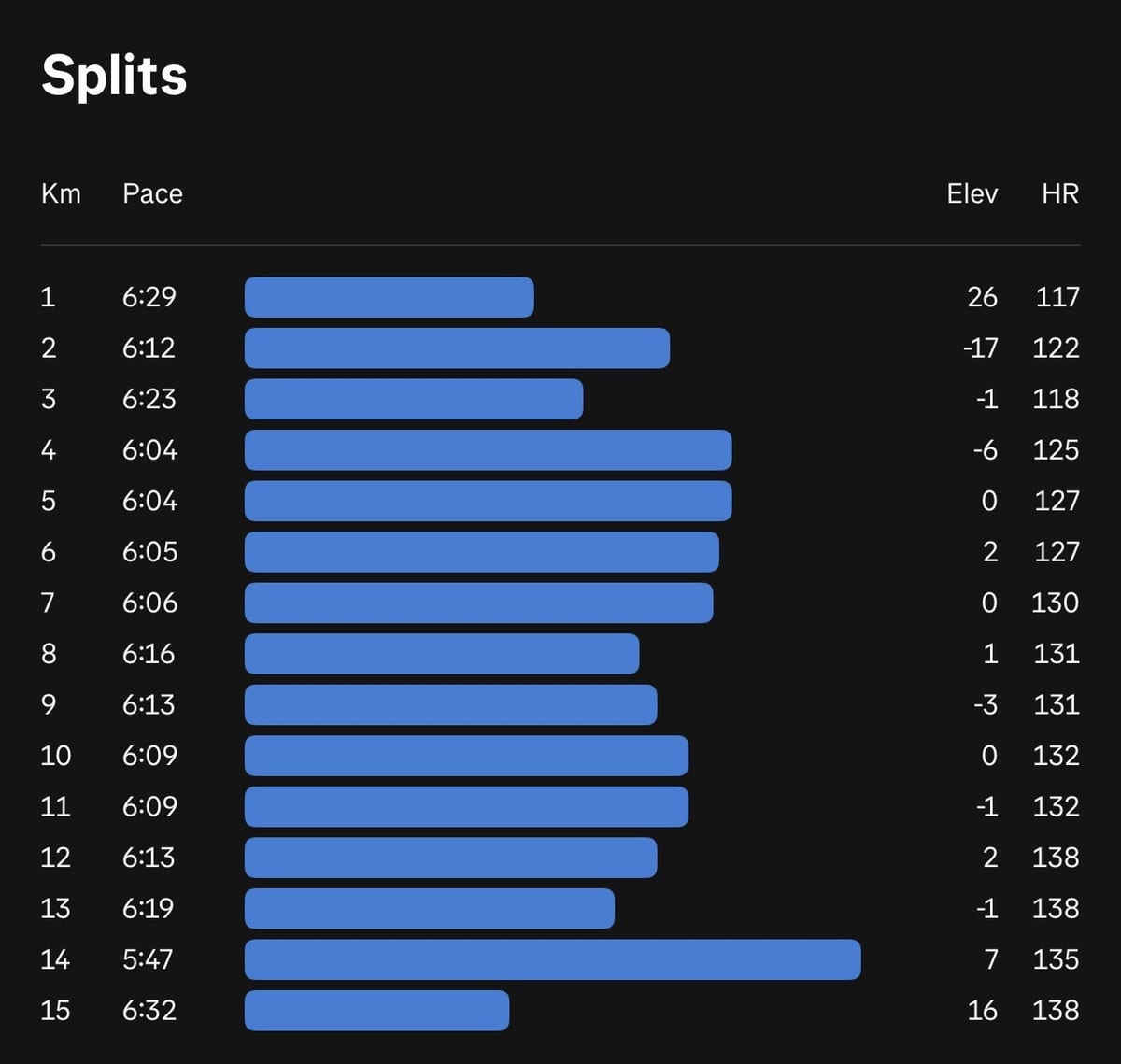
Zone 2 is an easy, steady effort, usually around 60 to 70% of your maximum heart rate. A simple test: you should still be able to hold a conversation. At this intensity your body runs mostly on its aerobic system, so you build your engine without piling up fatigue. On Sunday my heart rate sat between 117 and 138 for the whole 15km, at around 6:10 per km.
Running by heart rate instead of pace did two things for me.
- Less load on the Achilles. Research on runners shows the force going through the Achilles rises as running speed goes up. Slowing down meant less force through the tendon with every stride, while I still got the time on my feet.
- Better recovery. Zone 2 doesn't take much out of you, so you bounce back faster between sessions. I needed that. I've got a few hot spots around the body giving me grief, so right now it's about improving the quality of my recovery, not chasing times.
So here's the plan. No hard intervals on a Thursday for now. Instead:
- Thursday: a cruisey 10 to 15km
- Saturday: the conditioning class, which is focused on running at the moment
- Sunday: the long run
With consistent rehab alongside that, I'm hoping to see some nice changes in my Achilles before Hyrox in 5 weeks' time.
The gym side has gone well. On Monday I hit a heavy double on the sumo deadlift, and Tuesday's upper body push session went well too. My numbers are climbing, and I love seeing strength gains.
Injury and Mindset
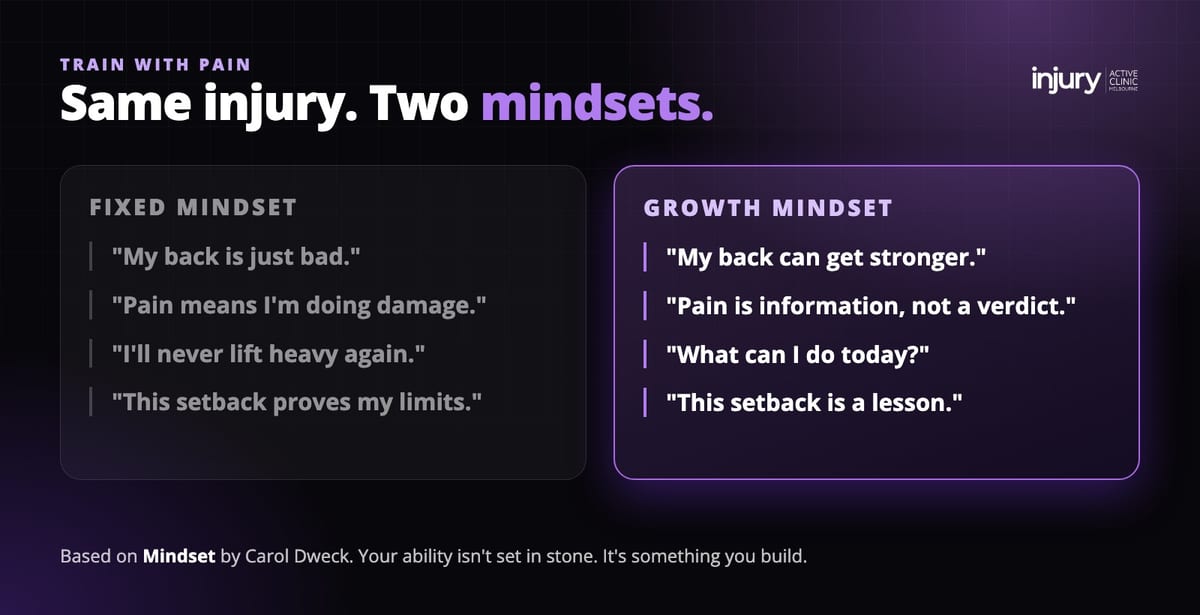
When you pick up an injury, it's common to feel deflated, and a negative mindset can creep in.
One of the most influential books I've ever read is Mindset by Carol Dweck. She describes two ways of thinking:
- Fixed mindset: your ability is set in stone, so a setback feels like proof of your limits.
- Growth mindset: your ability is something you build, so a setback is just information.
Whenever something doesn't go my way, this Achilles included, I actively choose the growth mindset. Every experience is a lesson. It isn't good or bad; it's an opportunity to learn. And I know the harder I work on the rehab, the better the outcome is likely to be.
Our clinic-and-gym model comes straight out of my own career. I was obsessed with fitness and riddled with injuries from all the heavy training I was doing. But I found ways to keep training while my injuries adapted. That's exactly why we run our gym the way we do: we train around the injury instead of stopping because of it.
Pain research has since caught up with this.
- Pain is a protector, not a damage meter. Pain is your nervous system's way of protecting you. It's influenced by your tissues, but also by stress, sleep, beliefs and past experience. That's why two people with the same scan can feel completely different.
- Fear keeps pain hanging around. Avoiding movement out of fear leads to a weaker body, a more sensitive system and even more fear (Vlaeyen and Linton's fear-avoidance model). Gradually and safely re-exposing yourself to movement helps break that cycle.
- Movement usually beats rest. Guidelines for low back pain recommend staying active and exercise as first-line care. Tendons respond to progressive load, not to sitting still.
"Train With Pain™" doesn't mean ignore it. It means working with it, at the right dose.
Change Who You Are
Sick of stiff mornings, struggling to get out of bed, or feeling sluggish all day?
The neuroscientist David Eagleman's book The Brain: The Story of You changed how I think about this. A few of his big ideas:
- Your brain constructs your reality. It interprets and predicts from past experience rather than recording the world like a camera. Pain works the same way.
- Much of what drives you happens below conscious awareness, in your habits, emotions and memories.
- Who you are keeps changing, shaped by your biology and your experiences.
- Other people shape your brain.
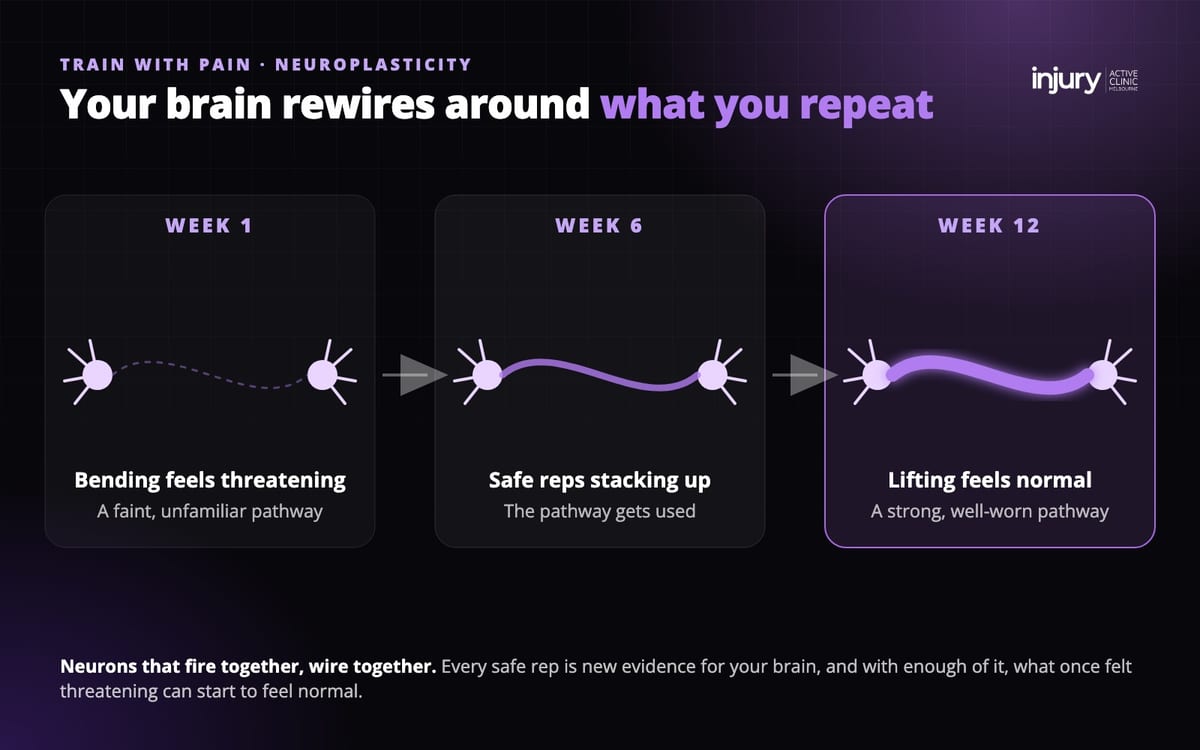
In his follow up book, Livewired, Eagleman goes deeper into neuroplasticity: your brain constantly rewires itself around whatever you repeatedly ask of it.
Put that together, and here's what it means for you. If your brain has spent months learning that bending, lifting or running is dangerous, it can learn something new. Not through positive thinking alone, but through repeated, safe experience. Every session where you lift a little more and your body handles it is new evidence. Stack up enough of that evidence and it isn't just your body that changes; your identity does. You stop being "someone with a bad back" and become someone who trains.
That last idea matters too: other people shape your brain. It's why we train in small groups, with coaches who know your history and members who notice when you're not there.
You can see it happening right now. In week 6, some of our runners will run the furthest they've ever run. A few months ago, plenty of them wouldn't have called themselves runners. Dan is another great example of this.
Living Proof: Dan's Story
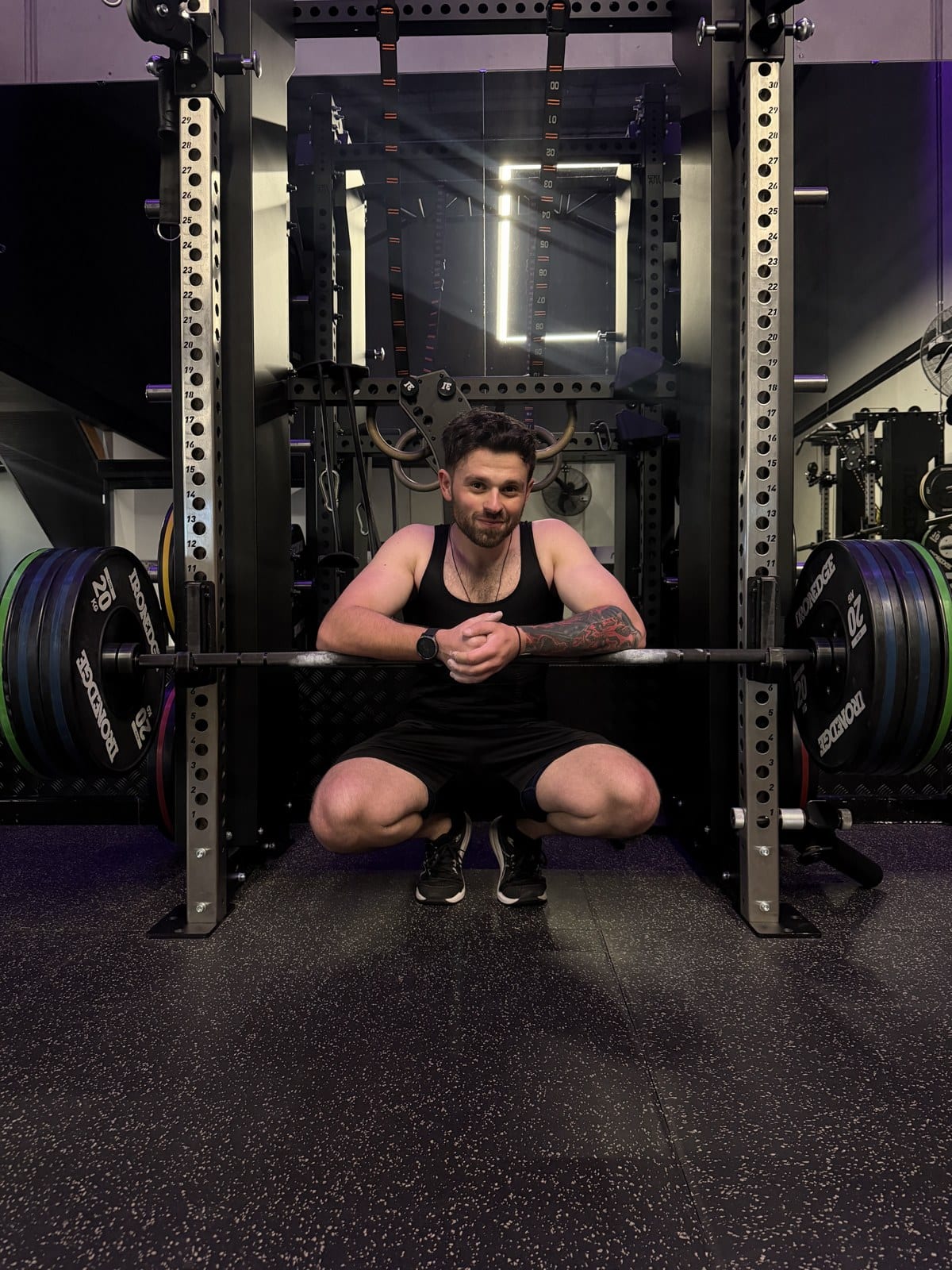
We love sharing success. Dan joined us in January, and we recently asked him about his first ten months. In his own words:
"At the start it was a struggle. I was nervous lifting weights. Now I push my body to its limit."
His proudest lift? The deadlift. He now pulls 120kg from the floor.
He's also 24kg down, and says the day-to-day change was nutrition: "Emily helped organise my food." Best of all: "I can play with my niece and pick her up."
What's kept him coming back? "The environment. The coaches put in so much effort. The members are brilliant." And his advice if you're nervous about starting: "I was in the same shoes. Just do it."
The gym in one word? Phenomenal. Thanks Dan.
Air Bike TLC
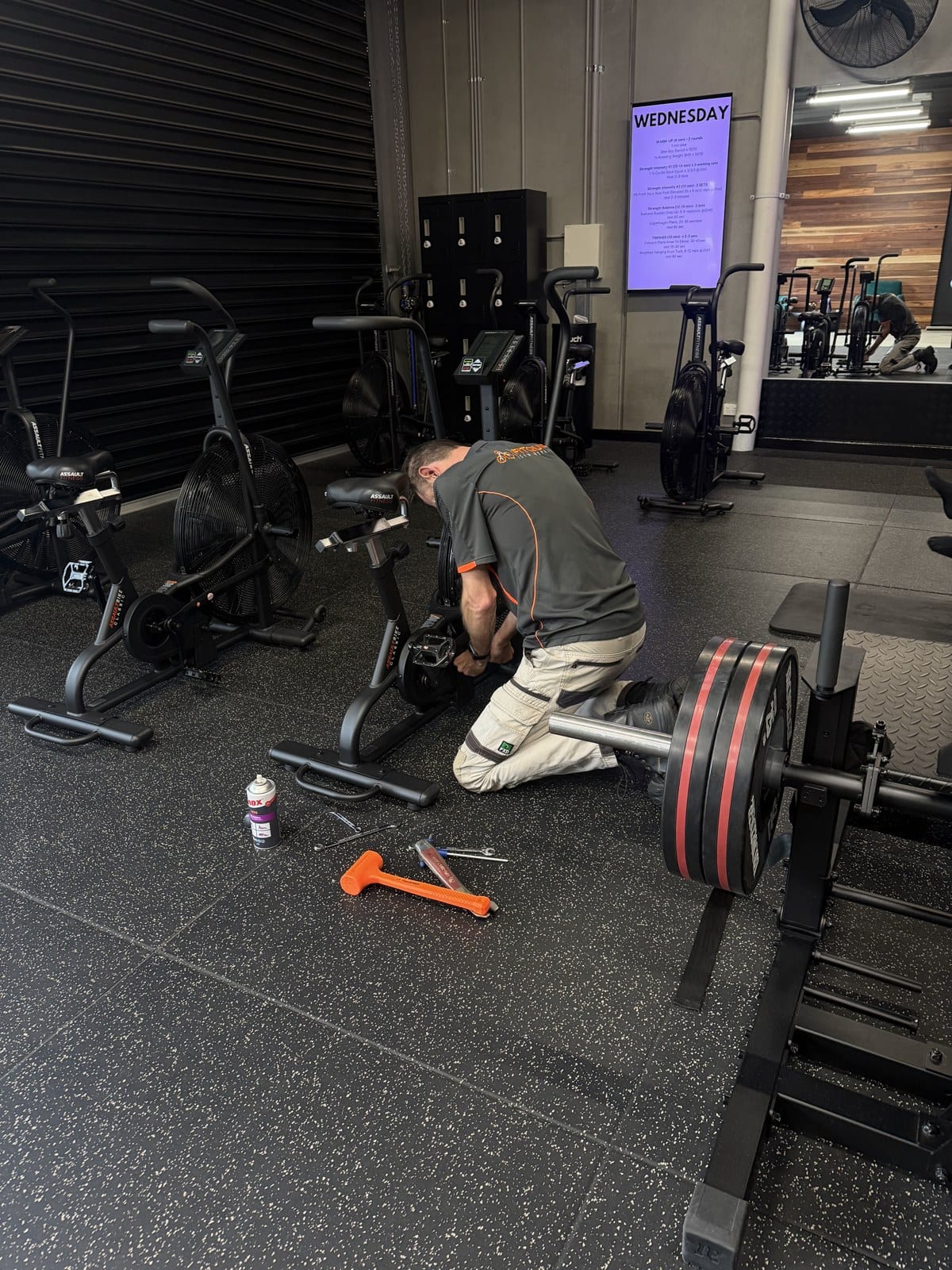
Our air bikes had their annual service this week. I can't promise it'll make those calories any easier, but a bit of TLC will keep them going a lot longer.
VALD: Our New Strength Testing Kit
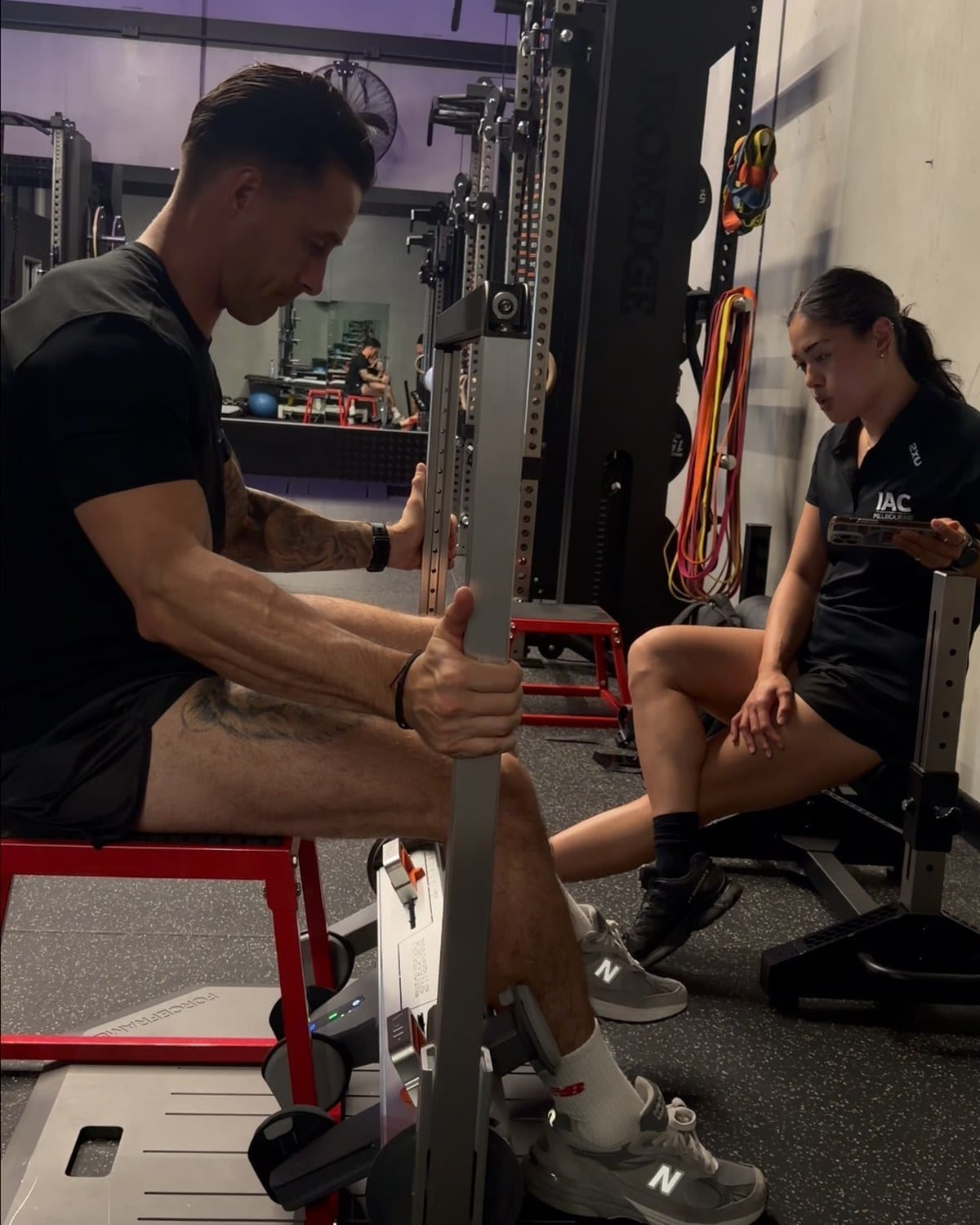
It's arrived, and we're setting it up now.
The VALD ForceFrame measures how much force specific muscle groups produce, such as your hips, knees and shoulders, and it measures each side separately. Instead of "that feels stronger", we get an actual number, and we can see whether your left and right sides are matching up. That gap often hangs around after an injury, even once the pain has settled.
- New members: everyone joining our 6 week programme will now be tested on VALD.
- Existing members: if you've been with us a while, you've probably noticed your strength hasn't been tested for some time. We want to change that. We're building a 6 monthly strength check that will take about 60 to 90 minutes. It will test your squat, push, pull and hinge, plus the ForceFrame for even more detail. We'll encourage you to do it twice a year so you can see how you're tracking. It's completely optional.
Personally, I always like to see my numbers moving in the right direction. Knowing I've got a test or an event coming up keeps me dialled in and focused.
More details soon.
The Programme
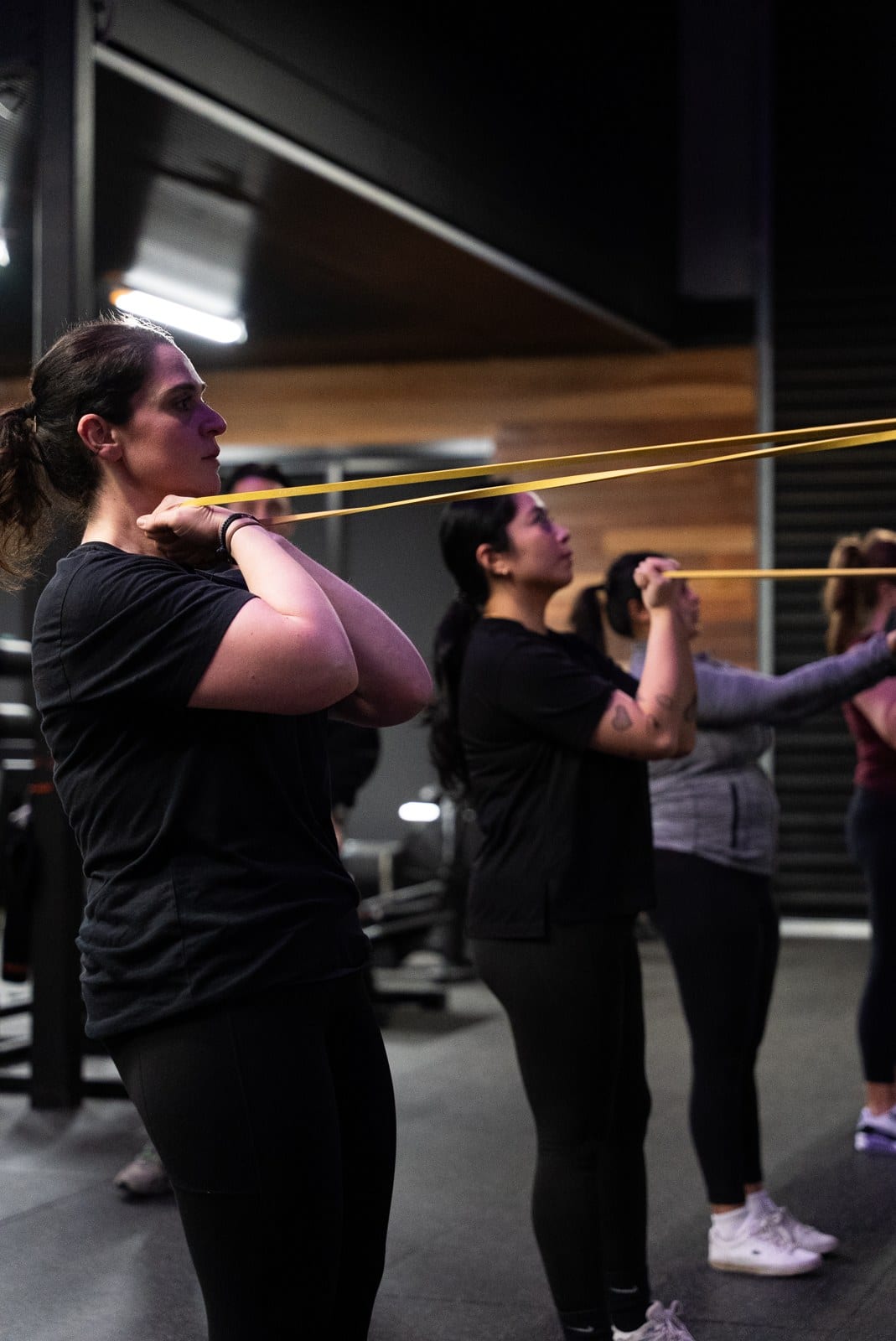
Week 5 is almost done. What have you noticed? Are you lifting a little heavier as your body adapts? And how did you go with those kettlebell front rack rear foot elevated split squats on Wednesday?
Saturday was 1.5km running efforts or long bike stints. In week 6, our runners will test their 5km. I'm really excited for this one, because for some of them it'll be the furthest they've ever run. That's a huge milestone.
My Favourite Lift of the Week: The Barbell Bent-Over Row
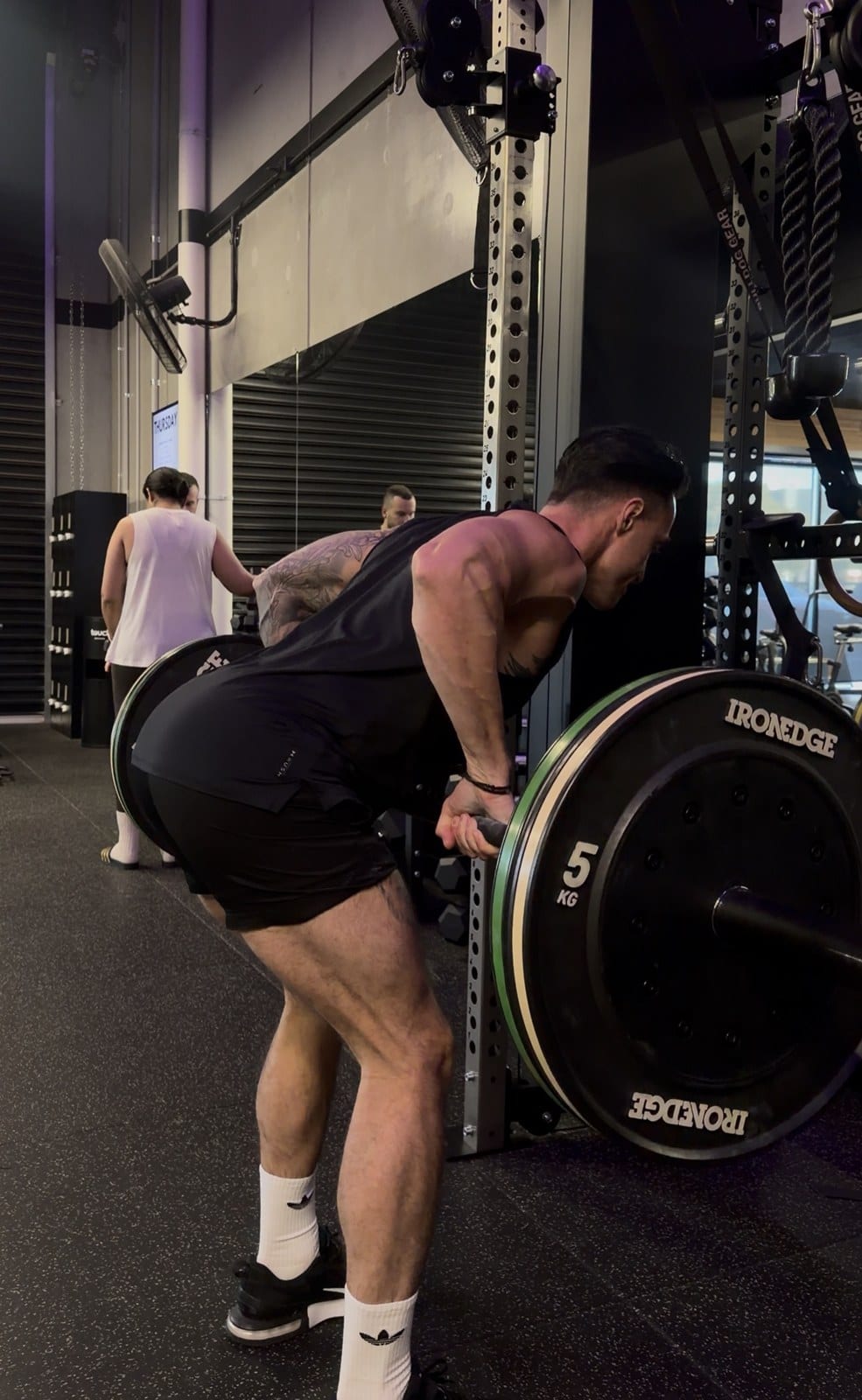
Yesterday's barbell bent-over row. In my opinion, there's nothing quite like a big, strong back, and this movement really works your upper back.
How It Works
You hinge forward at the hips, about 45 degrees or a bit lower, with a long, neutral spine, and row the bar towards your lower ribs or belly button.
- Your lats, rhomboids and rear delts do the pulling.
- Your traps control your shoulder blades.
- Your spinal erectors, glutes and hamstrings work hard to hold the hinge still the whole time.
So you're training your upper back's pulling strength and your lower back's endurance in one lift.
Why I Love the Traps
Your trapezius has three parts:
- Upper traps: run from the base of your skull and neck out to your shoulders and help support the shoulder girdle.
- Middle traps: squeeze your shoulder blades together.
- Lower traps: draw your shoulder blades down and help rotate them as you reach overhead.
Together, they keep your shoulder blades stable and share the load around your neck and shoulders.
There's good research behind strengthening them. In a well known Danish study of office workers with neck pain, specific strength training for the neck and shoulder muscles (including rows and shrugs) reduced pain more than general fitness training did (Andersen and colleagues, 2008).
Coaching Cues
- Brace before you pull and keep your back flat; your torso shouldn't bob up and down.
- Lead with your elbows, at about 45 degrees from your body.
- Squeeze your shoulder blades together at the top, then lower with control.
- If you have to jerk the weight up, it's too heavy.
Christmas BBQ
Save the date: Saturday 19th December.
We'll have a big class at 9:30am, followed by Rosetta Coffee and a BBQ from 10:30am. Book in via "Courses" in the app.
Have a great weekend.
Chat next week,
Craig
Related conditions & services
Ready to move better?
Book an appointment with our team and let's get to the root cause of what's bothering you.