

Training with Pain #9, Week 6 and I AM DONE
Halfway through the running programme. The middle is the hardest.
July 2026 · 8 min read
Training Updates: Running
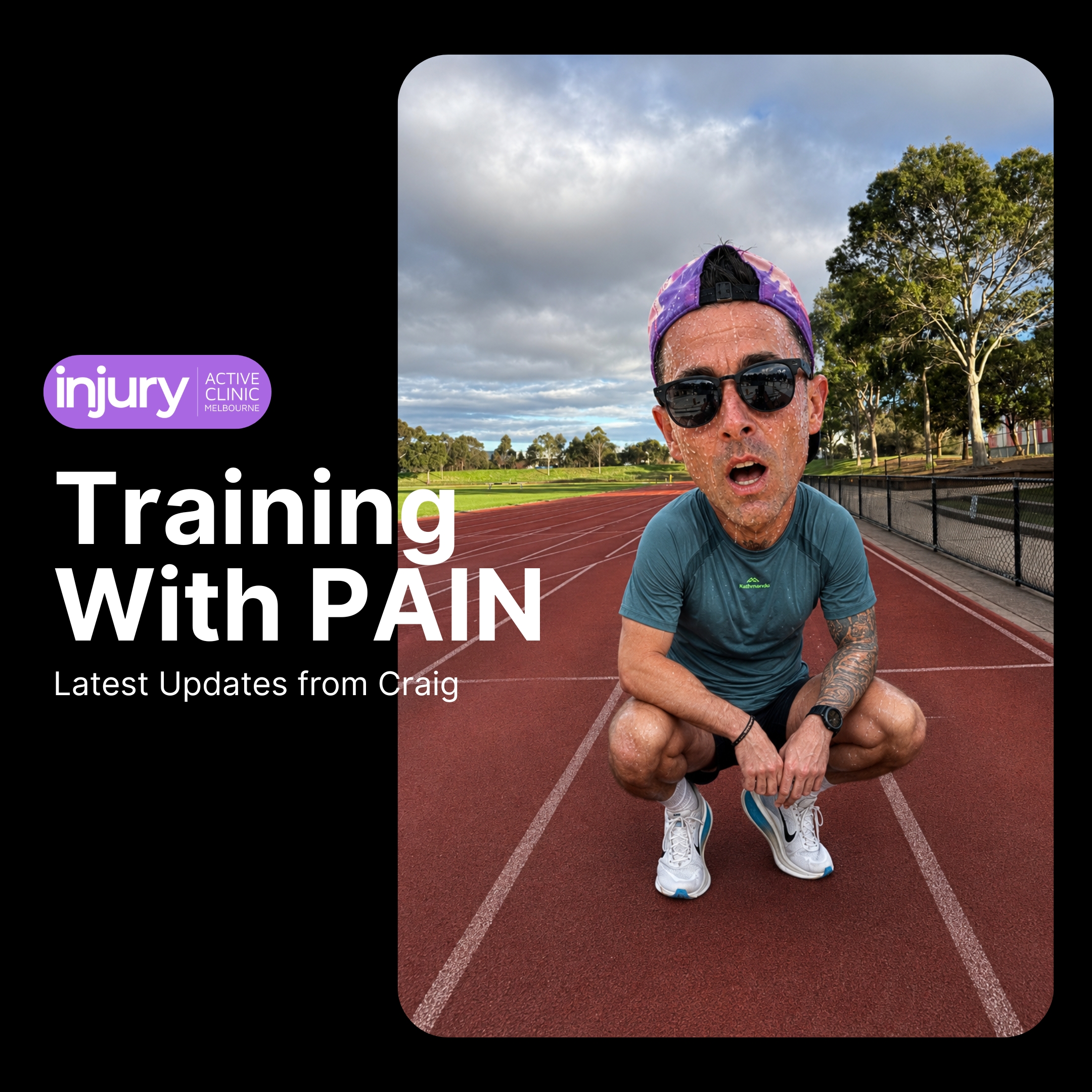
Halfway through Week 6 and I AM DONE.
I am completely over this running programme.
I've lost all love for it right now.
Three out of the four weekly sessions are brutally hard. Physically, they're challenging. Mentally, they're absolutely draining. I don't want to run. I don't want to race. I don't want to think about race pace, intervals, thresholds, recovery runs or anything remotely related to a half marathon.
It's making it difficult to focus on other work, and if I'm honest, I'm in a bit of a funk.
Even Monday's "easy" 12km felt like a chore.
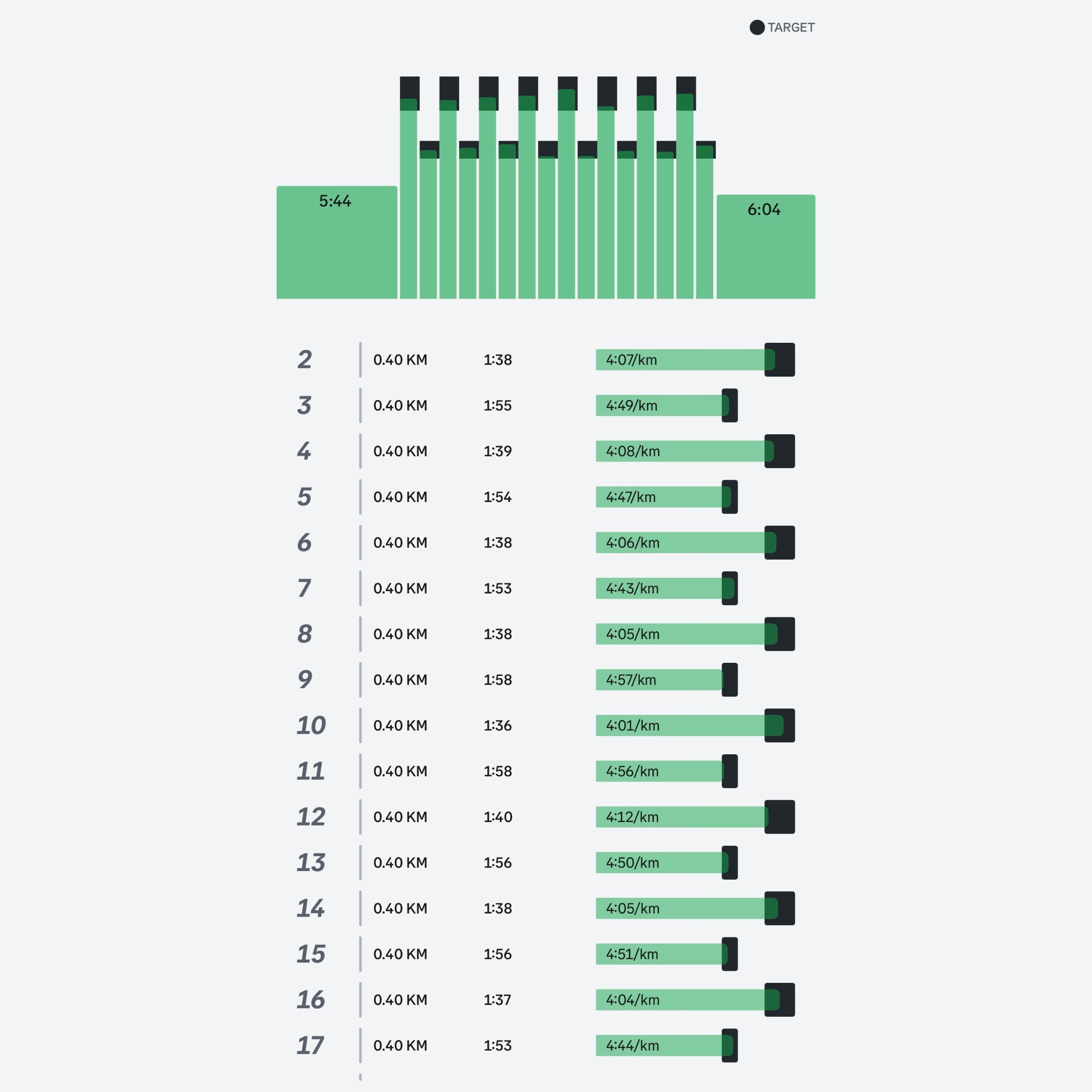
Wednesday's session looked like this:
- 2.5km warm-up
- 8 rounds of:
- 400m @ 4:00 to 4:05/km
- 400m @ 4:45 to 5:00/km
- 90 seconds recovery
- 2km cool-down
There were multiple moments where I was bargaining with myself to back off.
To take the easier option.
But here's the thing.
I've been here before.
Anyone who's pursued a meaningful goal has probably been here before too.
The middle part of any training programme is often the hardest. The excitement of starting has worn off, the finish line still feels a long way away, and fatigue begins accumulating faster than motivation.
The reality is that performance training isn't always enjoyable.
Sometimes it's simply work.
Managing The Storm
There are a few things I'm doing right now to stop myself spiralling.
1. Understanding That This Is Temporary
Every training cycle has peaks and troughs.
Research consistently shows that higher training loads increase both physical and psychological fatigue. Mood disturbances, reduced motivation and feelings of burnout are common signs that an athlete is carrying a significant training load.
Importantly, they don't automatically mean you're overtraining.
Often, they simply mean you're in the middle of the work.
I've learned not to make permanent decisions based on temporary feelings.
This phase will pass.
2. Removing Other Stressors Where Possible
Your body doesn't care whether it comes from work, relationships, lack of sleep, running intervals or strength training.
It all contributes to the same bucket.
Normally I'd complete four strength sessions each week.
This week I'll likely do two.
Not because strength isn't important.
As running volume and intensity climb, something has to give. Right now, reducing gym volume is helping me maintain quality where it matters most.
Recovery is strategy.
Next Up: Pyramid Intervals
Todays session looks spicy:
- 200m @ 3:30/km
- 400m @ 3:35/km
- 600m @ 3:50/km
- 800m @ 3:55/km
- 1km @ 4:00/km
With recoveries between efforts.
Why Pyramid Sessions Work
Pyramid intervals challenge multiple energy systems within the same workout.
The shorter efforts improve:
- Running speed
- Neuromuscular efficiency
- Running economy
The longer efforts improve:
- VO₂ max
- Lactate tolerance
- Threshold performance
Because pace constantly changes, these sessions also teach pacing discipline and mental resilience.
You learn how to keep moving well when things start getting uncomfortable.
Sunday: Race Practice
Sunday's session has me genuinely nervous.
- 4km conversation pace
- 4km @ 4:45/km
- 9km @ 4:20/km
That 9km block at race pace is going to take a piece of my soul.
I'll report back next week if I survive.
Strength Update
As mentioned, strength training has dropped to two sessions this week.
Tuesday's upper body push session was outstanding.
What I love most about it is who attends.
Traditionally, you'd expect these sessions to be dominated by men chasing chest and arm gains.
Instead, some of our strongest and most consistent attendees are women.
And watching many of you progress your dips has been excellent.
Why Dips Are Such A Good Exercise
The dip is one of the best upper body strength exercises available.
It primarily targets:
- Triceps
- Front deltoids
But it also requires significant contribution from:
- Shoulder stabilisers
- Upper back musculature
- Core musculature
Unlike many machine based exercises, dips require you to control your entire body in space.
This develops what we call relative strength: how strong you are compared to your body weight.
That's incredibly valuable for:
- Everyday function
- Sporting performance
- Long term shoulder strength
As people become stronger in dips, we often see improvements in pressing strength, shoulder control and overall upper body confidence.
Which is exactly why they're worth doing.
Q2 Workshop, Dr Samina Kausar
Saturday 27th July, 11:00am
Book via "Courses" in the app.
We're very excited to welcome Dr Samina Kausar, Consultant Gynaecologist, to IAC.
Over the years I've worked with many women navigating menopause and perimenopause, and one thing has become clear:
Many feel under-informed and under-supported.
Some important facts:
- The average age of menopause is approximately 51 years.
- Women spend around one-third of their lives post-menopause.
- Up to 80% of women experience menopausal symptoms.
- Common symptoms include hot flushes, poor sleep, fatigue, mood changes, weight gain, joint pain and reduced muscle mass.
- Following menopause, women can lose muscle mass and bone density at an accelerated rate if strength training is not maintained.
Dr Samina will discuss:
- Menopause symptoms
- Hormone Replacement Therapy (HRT)
- Practical management strategies
This is primarily aimed at women, but men are strongly encouraged to attend too.
Understanding what your partner, friend, family member or training buddy is experiencing matters.
City Update
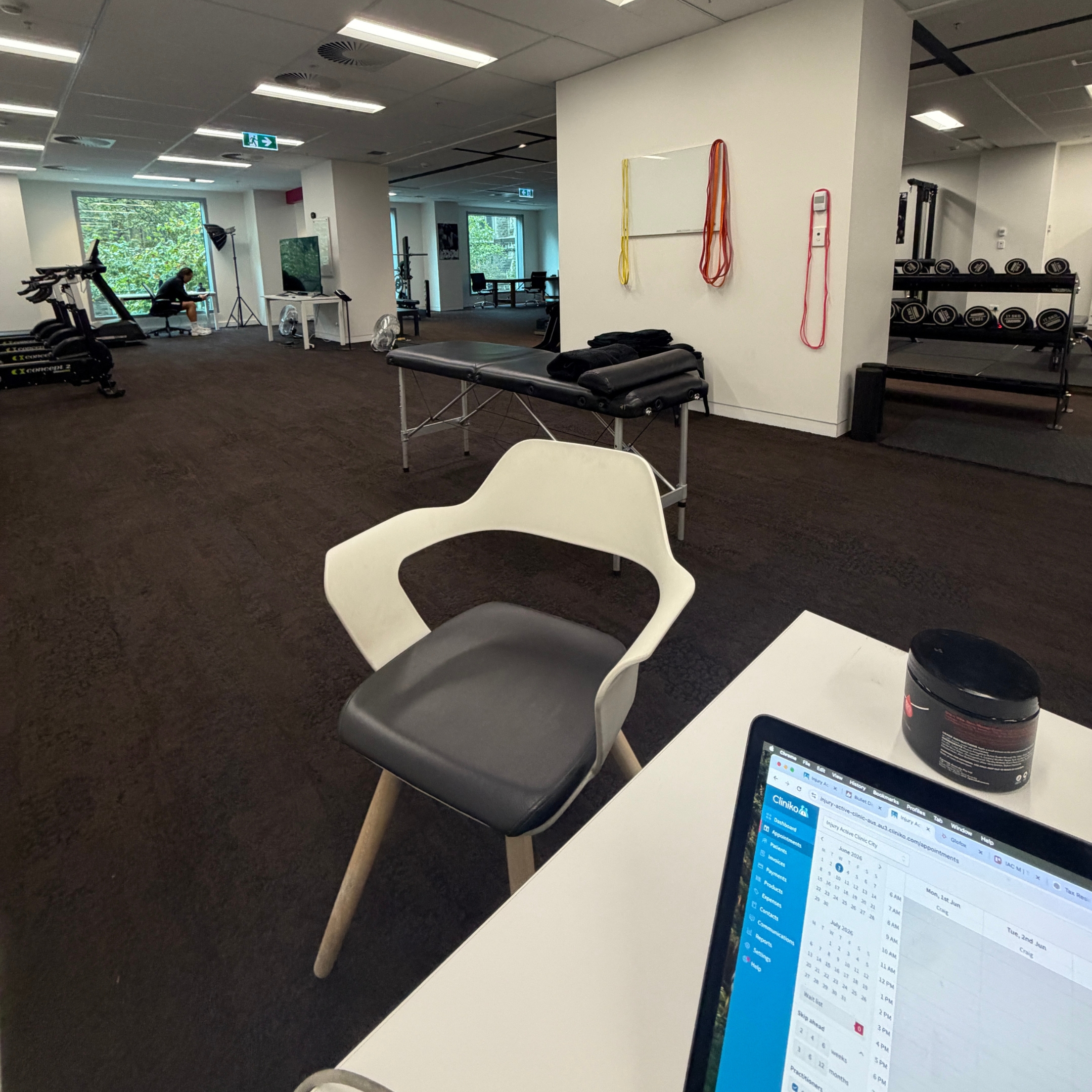
Yesterday I was back in the city at Lockeroom's pop up gym running a drop-in clinic.
The presentations were familiar:
- Painful hip
- Swollen knee
- Wide spread tendon pain related to increases in training
One question came up repeatedly:
"Shouldn't I just be resting this?"
Why Pain Often Improves With Loading
For many musculoskeletal conditions, complete rest is no longer considered best practice.
Research consistently shows that appropriately prescribed loading can help reduce pain and improve function.
Because loading helps:
- Improve tissue capacity
- Maintain muscle strength
- Improve blood flow
- Reduce sensitivity within the nervous system
- Restore confidence in movement
The key word is appropriate.
Too much load can aggravate symptoms.
Too little load can reduce capacity.
The sweet spot sits somewhere in the middle.
That's why our approach at IAC isn't simply "rest" or "push through."
Finding the right amount for the individual sitting in front of us.
The coaching team at Lockeroom shares a very similar philosophy, which makes these collaborations particularly exciting.
We also had another opportunity to discuss our future location within the building.
We're getting closer.
Team PD
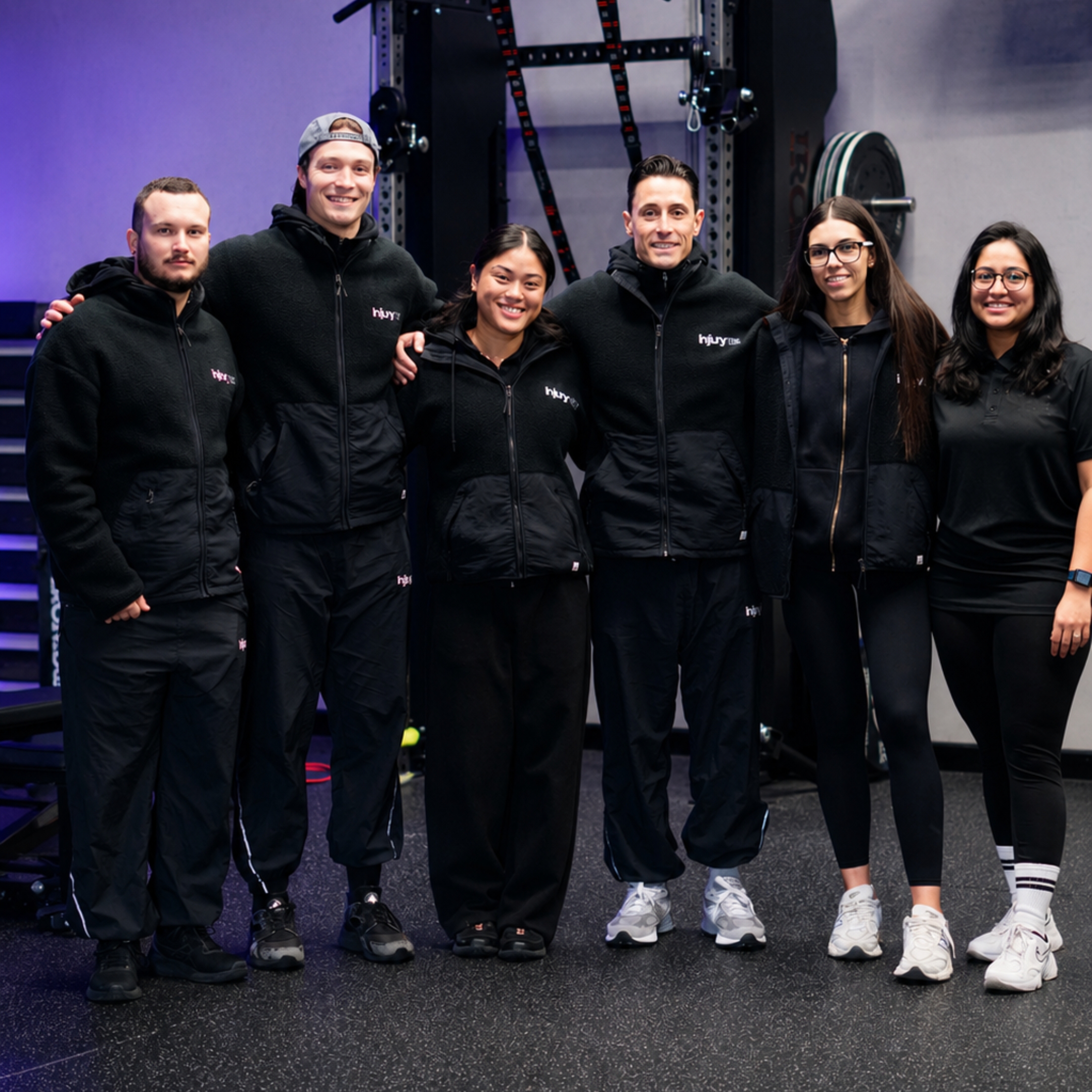
Monday kicked off with our monthly professional development session led by Dr Nick.
A timely discussion considering how common knee pain becomes as we age.
Some Knee Pain Statistics
Research suggests that approximately:
- 25% of adults over 50 experience persistent knee pain.
- Around 40% of people over 50 show radiographic signs of knee osteoarthritis.
- The prevalence continues to increase with age.
The interesting part? Pain and scans don't always correlate.
Many people have significant structural changes on imaging and very little pain.
Others have significant pain with minimal imaging findings.
Which is exactly why assessment matters.
Understanding the person is often far more important than understanding the scan. The amount of ‘bad knees’ we have in our training programme at IAC is very high. We don’t back away from loading them. Instead, we find the appropriate dose so we can start building, brick by brick.
As always, Dr Nick delivered another brilliant session.
MERCH
Merch has arrived and has been delivered. Thank you to those who ordered.
I’ve also had more people asking to order.
If you’re interested, could you kindly confirm what item and what size? I will do another order by the end of next week.
I won’t be at Brimbank this weekend. I’ll be doing that deathly race practice at Albert Park.
Related conditions & services
Ready to move better?
Book an appointment with our team and let's get to the root cause of what's bothering you.